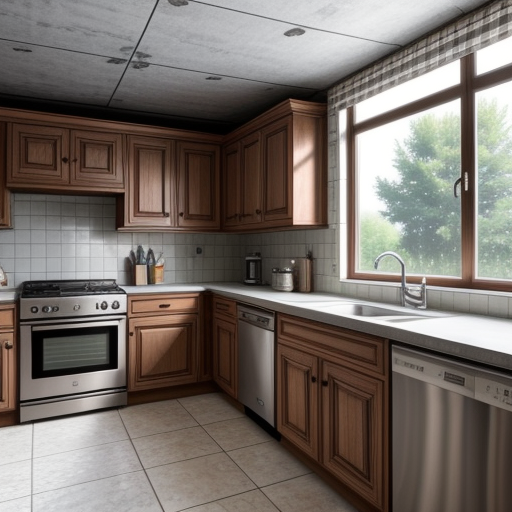
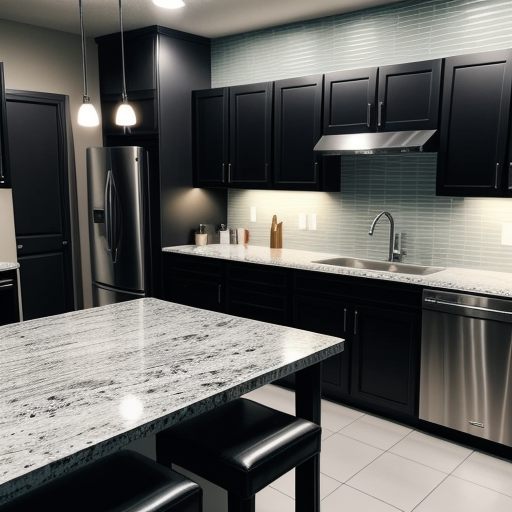
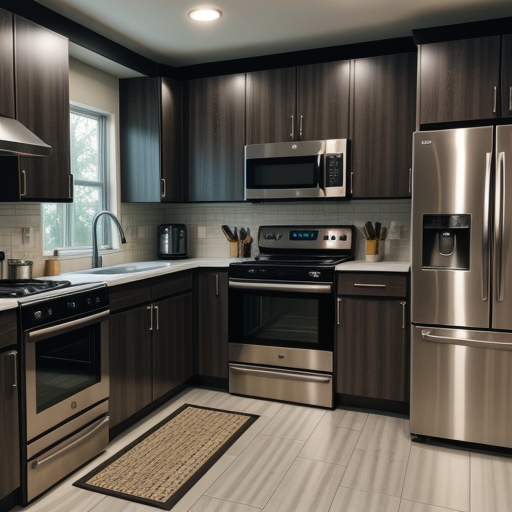
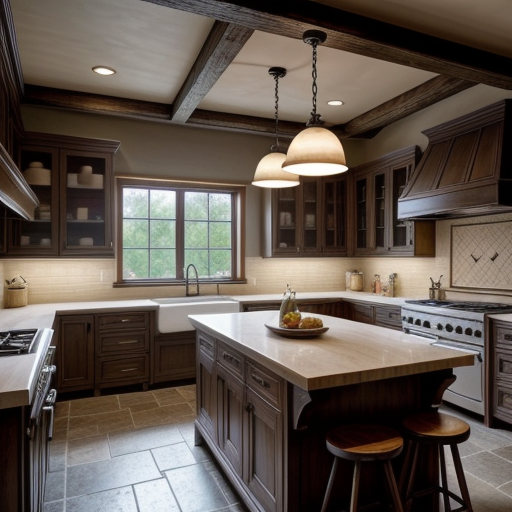
Renovating your home can be an exciting journey, but it's essential to approach it with a well-thought-out budget. Creating a clear budget not only helps you manage your finances but also ensures that your renovation project stays on track. Here’s how to effectively create a budget for your renovation.
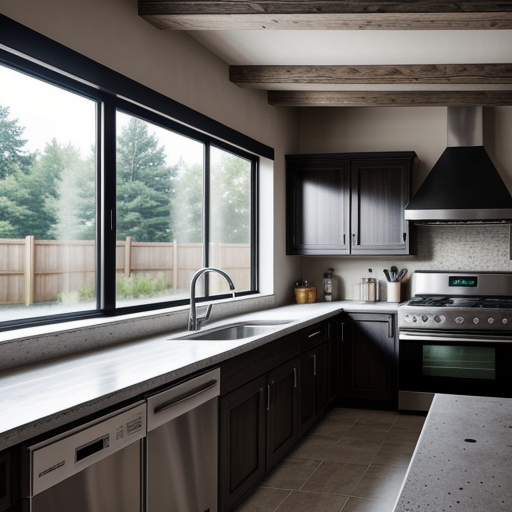
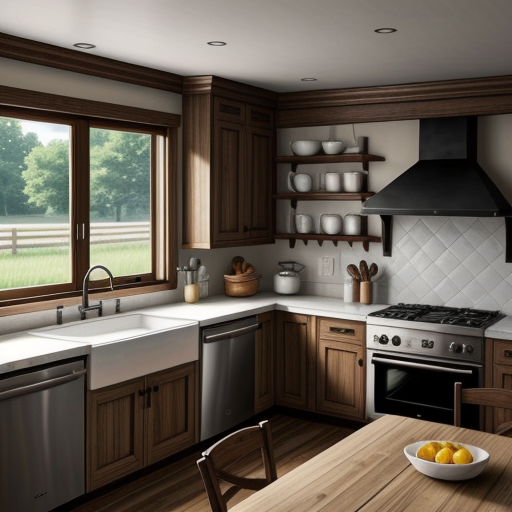
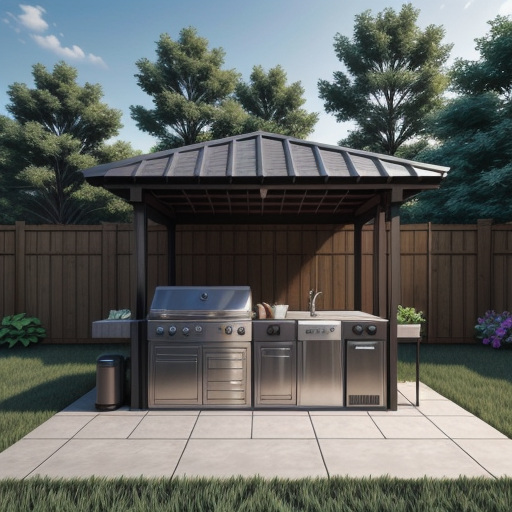
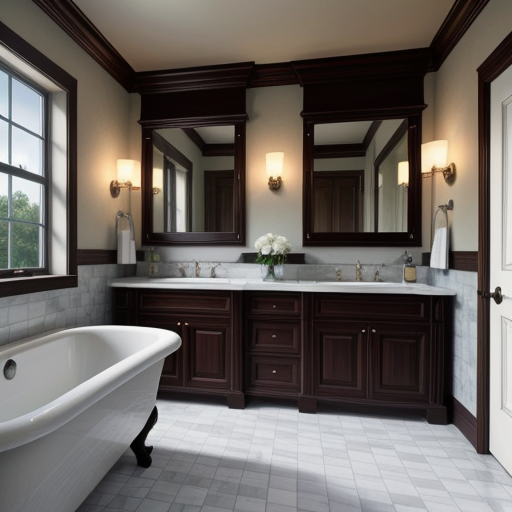
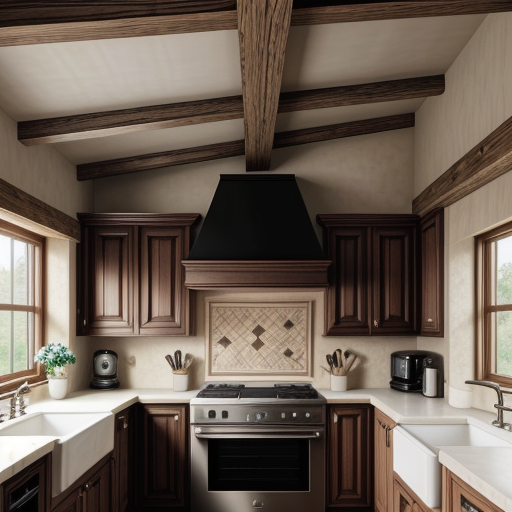
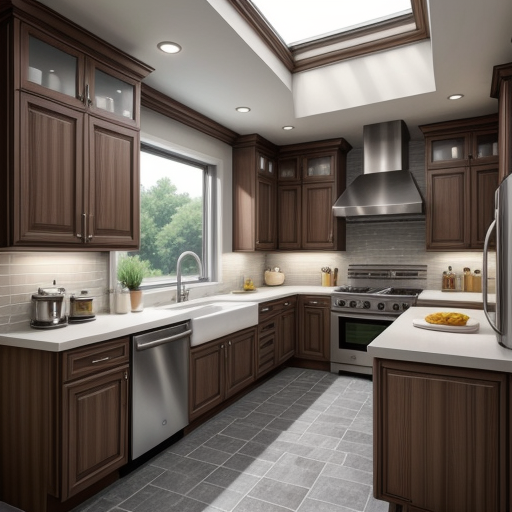
1. Define Your Goals: Start by pinpointing the specific renovations you want to undertake. Are you looking to modernize your kitchen, add a bathroom, or enhance your outdoor space? Having clear goals will guide your budget and allow you to prioritize essential upgrades.
2. Research Costs: Next, conduct thorough research on the estimated costs for the renovations you have in mind. Use online resources, talk to contractors, and seek advice from friends or family who have completed similar projects. Gathering data on average prices will help you better understand how much you need to allocate.
3. Factor in Design and Material Expenses: Consider not just labor costs but also the design elements and materials you'll need. Expenses for items such as fixtures, appliances, flooring, and paint can add up quickly. Make a detailed list of everything you’ll need to purchase, ensuring you allocate funds for both the necessities and a few aesthetic choices.
4. Allow for Contingencies: No renovation goes perfectly as planned. It’s prudent to include a contingency fund in your budget—typically 10% to 20% of your total renovation costs. This allows you to accommodate unexpected expenses, such as structural repairs or delays in delivery.
5. Determine Financing Options: Assess your financial situation to decide how to fund the renovation. You may rely on savings, home equity loans, or personal loans. Understanding your financing options will clarify your budget and help you allocate funds wisely.
6. Keep Track of Your Spending: As you embark on your renovation, actively monitor your expenses. Use budgeting software or a simple spreadsheet to record every purchase and cost incurred. This will help you stay within your budget and make adjustments as necessary.
7. Communicate with Your Contractor: If you’re working with a contractor, maintain open lines of communication regarding your budget. They can assist in making cost-effective choices and may also highlight areas where you can save money or where investment is crucial for quality outcomes.
Creating a thoughtful budget for your renovation project is the first step toward a successful home transformation. By systematically defining your goals, researching costs, accounting for contingencies, and tracking your expenses, you’ll be well on your way to achieving the home of your dreams without breaking the bank.