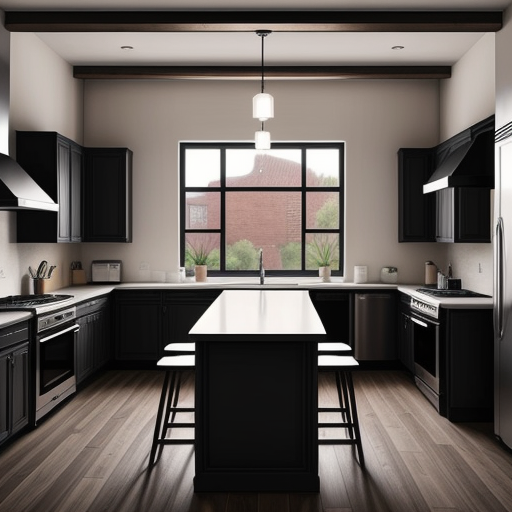
Maintaining a home isn't just about making aesthetic upgrades or occasional repairs; it's a continuous process that requires a thoughtful, organized approach. Creating a home maintenance schedule can help you stay on top of necessary tasks, preserve your property's value, and ensure a safe, efficient, and comfortable living environment.
The first step in developing a home maintenance routine is to categorize tasks by frequency. Some chores need attention every season, while others can be handled annually or as they arise. Consider starting with a detailed inventory of your home’s systems and appliances. Knowing what requires upkeep will allow you to plan and prioritize effectively.
Seasonal maintenance is essential to adapt to the changing weather conditions. For instance, in the spring, focus on cleaning gutters, inspecting the exterior for any damage that winter may have caused, servicing the HVAC system, and preparing your garden. Summer tasks could include power washing the exterior, checking for pest infestations, and maintaining any outdoor plumbing systems like sprinklers.
Moving into fall, it becomes important to prepare your home for colder temperatures. This means checking the heating system, sealing any gaps to prevent drafts, and cleaning the chimney before fireplace use. Winter is a time to ensure insulation is intact, check the operation of carbon monoxide detectors, and prevent pipes from freezing during severe cold spells.
Many tasks can be scheduled annually, such as deep cleaning carpets, inspecting the roof for signs of wear, and draining the hot water heater to remove sediment buildup. Don't forget to look after smaller, more hidden systems—keeping your plumbing, electrical, and mechanical systems in check will save you costly repairs later.
Record your schedule in a calendar or an app, set reminders, and allocate tasks throughout the year so they are manageable without being overwhelming. This approach allows you to maintain your home’s functionality while avoiding the shock of emergency repairs and increases in utility bills due to neglect.
Keeping a dated log of all maintenance activities can be advantageous, particularly if you decide to sell your home in the future. It reflects your commitment to upkeep and can positively influence potential buyers.
Ultimately, a proactive attitude towards home maintenance prevents minor issues from escalating into major problems. With a well-planned schedule in place, you can enjoy peace of mind knowing your home is well-maintained and future-ready.