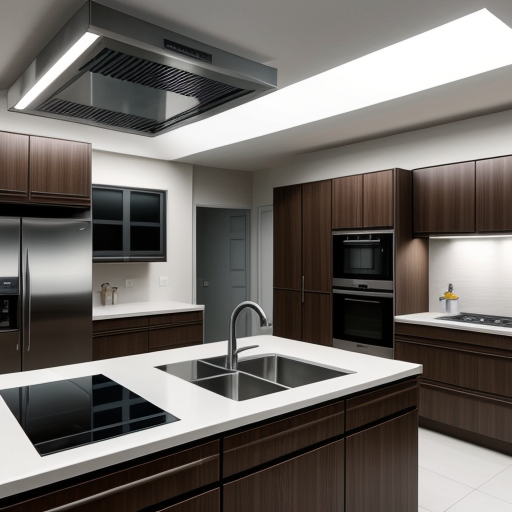
In today’s environmentally conscious world, increasing your home's energy efficiency is not just a way to save on utility bills but also a means to contribute to a sustainable future. Homeowners can adopt several practical measures to enhance energy performance and reduce their carbon footprint. Here are some essential strategies you can implement to improve your home's energy efficiency.
1. Conduct an Energy Audit
Before making decisions about upgrades and improvements, it’s beneficial to conduct a thorough energy audit. This evaluation can identify areas where your home is losing energy and suggest specific improvements. Many utility companies offer free or low-cost energy audits, so take advantage of these services to gain insight into your home’s energy performance.
2. Upgrade Insulation
Proper insulation is crucial in maintaining temperature control within your home. Upgrading your insulation, especially in the attic, walls, and floors, can significantly reduce heating and cooling costs. Consider materials such as fiberglass, cellulose, or spray foam insulation, depending on your home's specific needs and budget.
3. Seal Air Leaks
Air leaks in your home can lead to significant energy loss. Inspect windows, doors, and gaps around pipes and outlets for drafts, and seal them using caulk or weather stripping. Insulating your home tightly prevents unwanted air from entering or escaping, thus maintaining consistent indoor temperatures.
4. Invest in Energy-Efficient Appliances
Replacing old appliances with energy-efficient ones can greatly reduce your energy consumption. Look for products with the ENERGY STAR label, which indicates they meet energy-efficiency guidelines set by the U.S. Environmental Protection Agency. These appliances use less electricity and water, resulting in lower utility bills over time.
5. Optimize Heating and Cooling Systems
Regular maintenance of your heating, ventilation, and air conditioning (HVAC) systems is essential. Change air filters regularly, schedule professional tune-ups, and consider installing a programmable thermostat to help manage your energy use efficiently. A diverse range of innovative heating and cooling solutions, including ductless systems or heat pumps, can also contribute to improved energy efficiency.
6. Utilize Renewable Energy Sources
If feasible, consider incorporating renewable energy technologies into your home. Solar panels, wind turbines, and geothermal heating systems can drastically reduce reliance on non-renewable energy sources and lower your utility expenses. Though the upfront costs can be high, many homeowners see a return on investment over time through energy savings.
7. Embrace Smart Home Technology
Smart home devices can enhance your energy efficiency efforts by allowing you to monitor and control various aspects of your home easily. Smart thermostats, smart lighting systems, and energy management systems provide opportunities to reduce energy consumption by optimizing when and how you use energy in your home.
Conclusion
Improving your home's energy efficiency requires a combination of smart upgrades and ongoing maintenance practices. By implementing these strategies, you can enjoy lower utility bills, increase your home's comfort, and contribute positively to the environment. Remember, a more energy-efficient home is not just an investment in your comfort but also in the planet’s health.