When purchasing a home, one of the crucial considerations is its future resale value—a factor that can significantly impact your financial planning and return on investment. Understanding how to evaluate a home's resale potential involves analyzing various elements that contribute to its marketability and value retention. Here’s a comprehensive guide to help you make informed decisions when assessing a property's resale value.
Location, Location, Location
The adage 'location, location, location' holds tremendous weight in real estate. A property's location plays a pivotal role in determining its desirability and, subsequently, its resale value. Look for homes in neighborhoods with strong economic growth, good schools, low crime rates, and convenient access to amenities like shopping centers, parks, and public transportation. Additionally, homes in proximity to future development projects or high-demand areas often appreciate more quickly.
Market Conditions and Trends
Stay informed about the current real estate market conditions and trends. Understanding whether you’re in a buyer’s market or seller’s market can provide insights into potential future shifts in property values. Pay attention to local housing demand, new construction rates, and demographic changes, as these factors can all influence a home's resale value.
Property Condition and Features
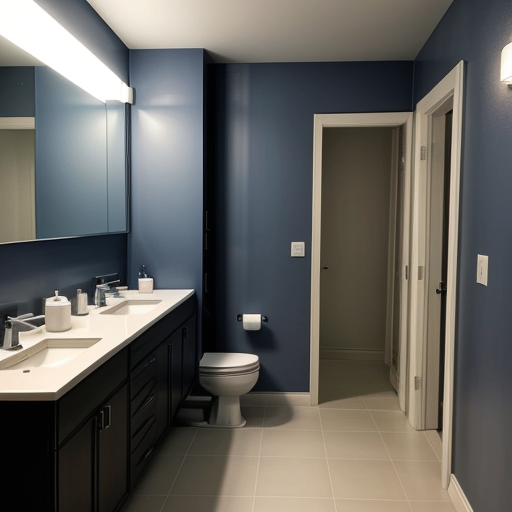
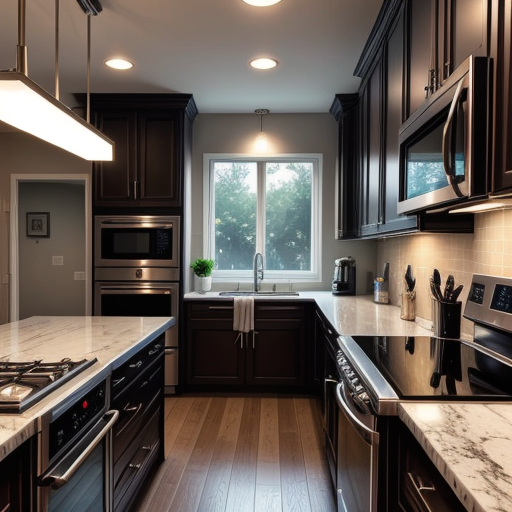
The condition of a home and its features significantly affect its resale value. Homes that are well-maintained and updated will generally retain value better than those needing major repairs or renovations. Look for homes with modern amenities, energy-efficient features, and layouts that appeal to a broad range of buyers. These elements not only enhance current living conditions but also future-proof the property in terms of consumer preferences.
Comparable Sales Analysis
Conducting a comparable sales analysis is an effective method to gauge a home's potential resale value. This involves examining recently sold properties in the area that are similar in size, condition, and features. By comparing these figures, you can estimate a realistic price range for the property under consideration, helping you understand how it might perform in the market when the time comes to sell.
Future Development Prospects
Research planned developments and infrastructure projects in the vicinity. New schools, transportation links, commercial outlets, and recreational facilities can significantly boost property values in the area. Understanding these future prospects will give you a glimpse into the potential growth and desirability of the location.
Economic Indicators
Lastly, macroeconomic factors, such as interest rates and local employment trends, can have a wide-reaching effect on the real estate market. A robust local economy often translates to higher demand for housing, which can lead to increased resale values. Keeping abreast of these indicators will assist you in making a more educated prediction of the property’s future performance.
By carefully weighing these elements, you can more accurately assess a home's resale potential, ultimately making a more informed purchasing decision that aligns with your long-term financial goals.