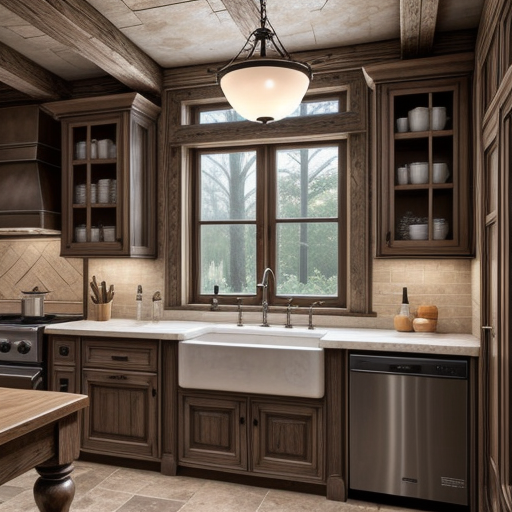
Renovating your home can be an exciting yet daunting task, requiring careful planning and financial consideration. Creating a renovation budget is crucial in ensuring you manage your resources effectively while achieving your desired outcomes. Here are some key steps to developing a budget for your upcoming renovation project.
1. Define Your Goals
Before diving into numbers, it is essential to establish what you want to achieve with your renovation. Are you looking to modernize your kitchen, create an open floor plan, or enhance your home's curb appeal? Clearly outlining your objectives will help you identify the areas that require financial investment and prioritize your spending.
2. Research Costs
The next step is to research the costs associated with your renovation project. This includes materials, labor, and any permits required. Websites like HomeAdvisor or Angie's List can provide insights into average costs in your area. Additionally, visiting local home improvement stores can help you gauge material prices. Keep in mind that prices can vary greatly based on quality and brand.
3. Create a Detailed Budget
Once you have a clear understanding of your goals and estimated costs, create a detailed budget. Break down your budget into various categories such as demolition, construction, finishes, and furnishings. Including a contingency fund (typically 10-20% of your total budget) for unexpected expenses can also provide you with a financial cushion.
4. Prioritize Your Spending
When working with a limited budget, prioritizing your spending is critical. Determine which aspects of your renovation are essential and which are more discretionary. This will help you allocate your funds where they will have the most meaningful impact and allow you to make informed decisions if adjustments are necessary as the project progresses.
5. Plan for Financing
Consider how you will finance your renovation. Whether you are using cash savings, a home equity line of credit, or a personal loan, understanding your financing options can help you evaluate your renovation project's scope. Additionally, ensure your financing choice aligns with your long-term financial goals.
6. Monitor Your Budget
Finally, as you embark on your renovation project, it is vital to track your spending against your budget. Regularly review your expenses and consult with contractors to minimize overspending. Keeping an eye on your budget can help you make adjustments promptly and stay on track toward your renovation goals.
Creating a budget for your renovation requires careful thought and planning. By following these steps, you can pave the way for a successful renovation that enhances your home's value and livability without breaking the bank. Remember, thoughtful budget management can lead to surprising results and a home that truly reflects your vision.