Creating a sustainable garden can significantly contribute to environmental conservation, enhance biodiversity, and provide you with a thriving space right at home. The journey towards developing an eco-friendly garden may seem daunting initially, but by following these guidelines, you can cultivate a beautiful and sustainable garden that benefits both you and the planet.
-
Plan Your Garden: Before planting anything, take the time to plan your garden layout. Assess your outdoor space for sunlight, shade, and wind exposure. Choosing the right plants for your garden type, considering native species, can reduce maintenance needs and water usage.
-
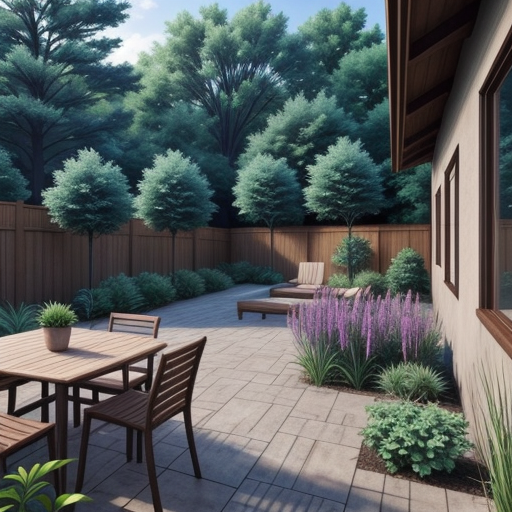
Choose Native Plants: Native plants are adapted to your specific region and require less water and care than non-native varieties. They are also more resistant to local pests and diseases, making them easier to maintain. These plants support local wildlife, including pollinators like bees and butterflies, which are crucial for a balanced environment.
-
Implement Composting: Composting is an excellent way to recycle kitchen and yard waste, creating your own organic fertilizer. This practice enriches the soil, improves its structure, and promotes healthy plant growth while reducing landfill waste.
-
Use Organic and Natural Fertilizers: Instead of chemical fertilizers, opt for organic alternatives. Products made from natural ingredients will support soil health and promote beneficial microorganisms, leading to more fruitful and resilient plants.
-
Incorporate Water-Efficient Practices: Consider installing rain barrels to collect rainwater for irrigation. Employing drip irrigation or soaker hoses can also reduce water waste, ensuring that each plant receives the moisture it needs without excess runoff.
-
Encourage Wildlife: Creating habitats for beneficial animals can help control pests and pollinate your plants. Install birdhouses, bee hotels, and butterfly gardens to attract these important allies. Avoid pesticides and herbicides, as they can harm these creatures and disrupt the ecological balance.
-
Mulching and Ground Cover: Use mulch in your garden beds to maintain soil moisture, suppress weeds, and gradually improve soil quality as it breaks down. Ground cover plants can also prevent erosion and reduce water evaporation, making your garden more sustainable.
-
Practice Crop Rotation: If you're gardening with edibles, rotate your crops annually. This practice helps to prevent soil depletion and pest buildup, leading to a healthier garden ecosystem.
-
Reduce Lawn Space: Consider reducing the area dedicated to traditional lawns. Instead, you can create spaces filled with native plants, un-grazed pollinator gardens, or edible landscaping, which can yield benefits without the high maintenance of a typical lawn.
By implementing these practices, you'll not only create a visually appealing garden but also make a substantial contribution to environmental sustainability. Remember that patience is key; a sustainable garden will flourish over time, rewarding your efforts with both beauty and productivity.
A sustainable garden is not only a personal retreat but also a legacy for future generations, promoting the health of our planet. Start today, and enjoy the countless benefits of creating a garden that coexists harmoniously with nature.