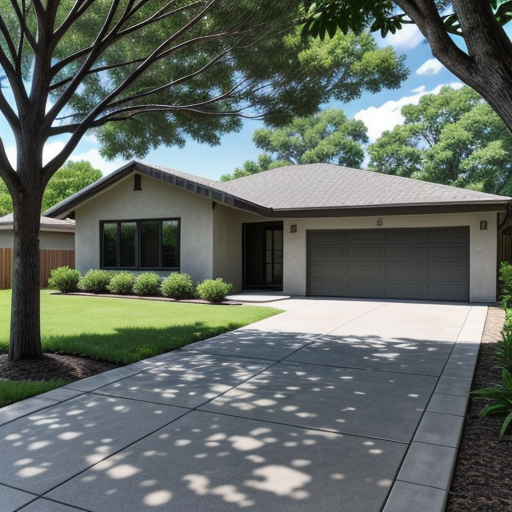
When investing in a property, understanding its resale value is crucial. The future resale potential hinges on various factors that must be meticulously evaluated to ensure a sound investment. Here’s a comprehensive guide on how to assess a home’s resale value effectively.
-
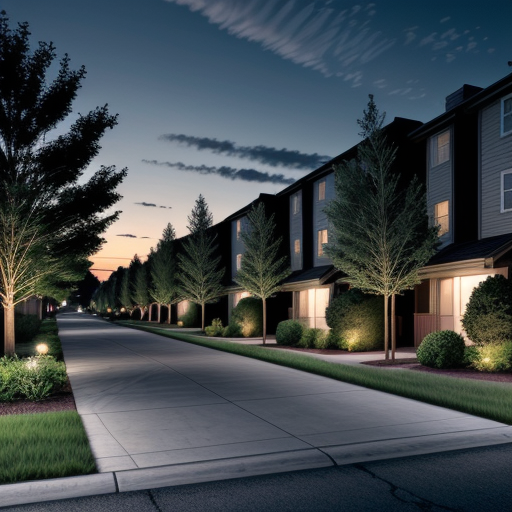
Location and Neighborhood: Location is paramount when assessing resale value. Properties in desirable areas with good schools, amenities, and access to public transportation often enjoy higher demand. Investigate the neighborhood's growth trends and future development plans, as these can significantly influence property values.
-
Historical Market Trends: Evaluate historical real estate market trends in the area. This involves reviewing property appreciation rates over the past decade and understanding how economic fluctuations have impacted the local market. Consult with a real estate professional who can provide detailed insights into the market's performance.
-
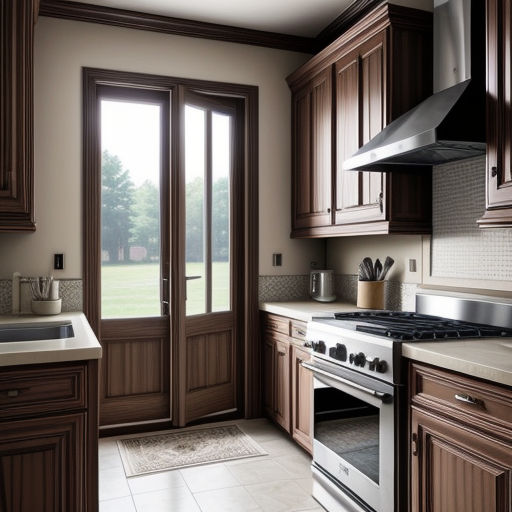
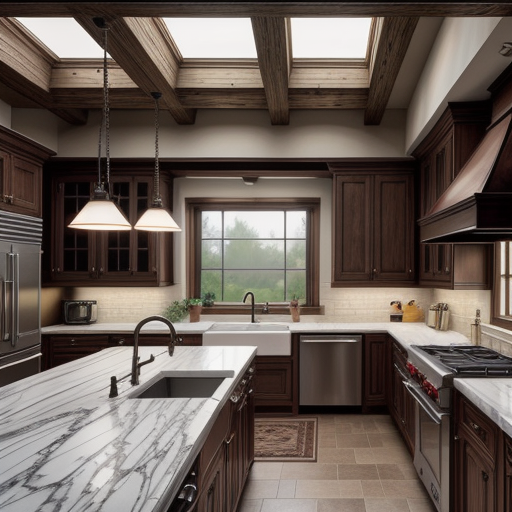
Home Condition and Features: The condition of a property plays a critical role in its resale value. A well-maintained home with updated features is often more attractive to buyers. Consider the age of major systems like HVAC, plumbing, and roof. Upgrades in kitchens and bathrooms can also enhance resale potential significantly.
-
Comparative Market Analysis (CMA): Perform a Comparative Market Analysis to evaluate similar properties in the area. This analysis provides a benchmark for pricing your home relative to others, based on criteria like size, condition, and location. Knowing how your home stacks up against competition is essential for pricing it effectively when you're ready to sell.
-
Economic Outlook and Job Market: A robust local economy with a healthy job market can signal increased demand for housing, affecting resale values positively. Stay informed about local employment rates and business developments that could impact the area’s desirability.
-
Zoning and Land Use Regulations: Familiarize yourself with local zoning and land use laws. Changes in these regulations can impact property values significantly. For example, if an area is rezoned to allow higher density living, this might attract developers and increase property values.
-
Unique Selling Points: Identify any unique selling points that set the property apart from others in the area. These could include architectural design, historical significance, or premium landscapes, which add value and desirability.
By thoroughly analyzing these factors, you can gain a clearer insight into a property's long-term value prospects. Working closely with a real estate agent can provide the necessary expertise and market data to make informed decisions. Understanding these elements will not only help you purchase wisely but also maximize your investment when it's time to sell.