Navigating the luxury rental market can be a rewarding yet complex journey. The allure of upscale amenities and prestigious locations attracts a diverse group of tenants ranging from corporate executives to international expats. Understanding this sector is critical for those interested in either investing or residing in such properties.
One of the primary characteristics of the luxury rental market is location. Prime real estate areas like New York's Upper East Side, Los Angeles' Beverly Hills, or San Francisco's Pacific Heights often define luxury neighborhoods, offering not just homes but lifestyles. Proximity to business hubs, cultural amenities, and ease of transportation enhance the desirability of these locations.
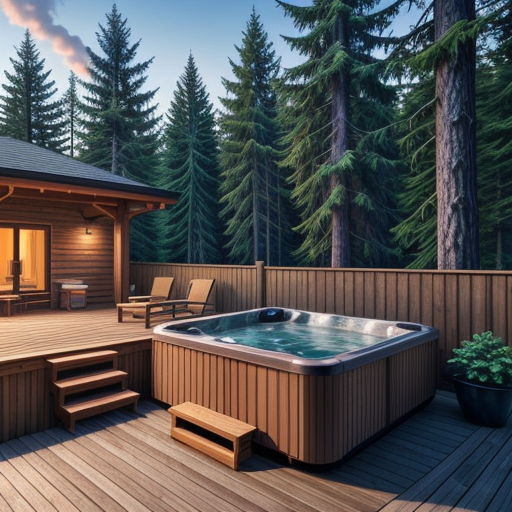
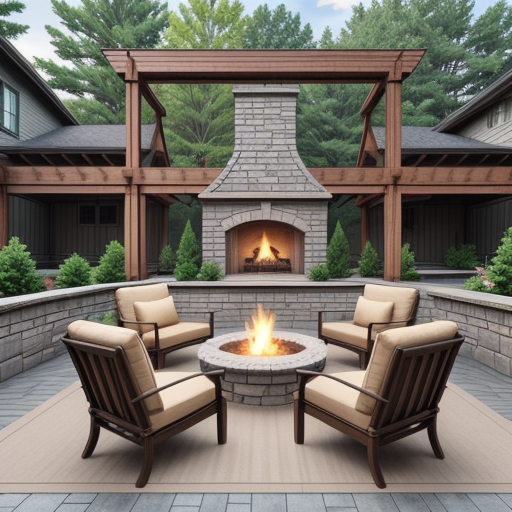
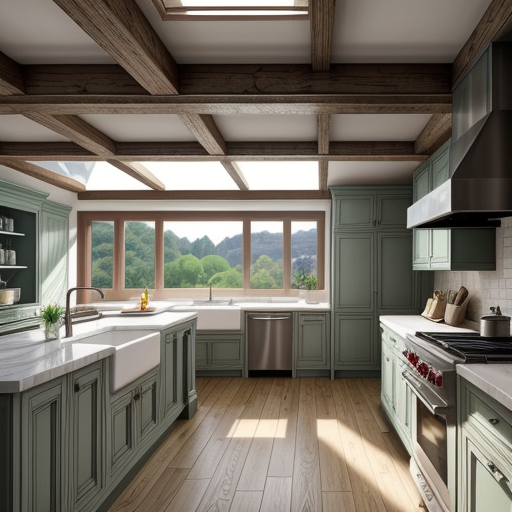
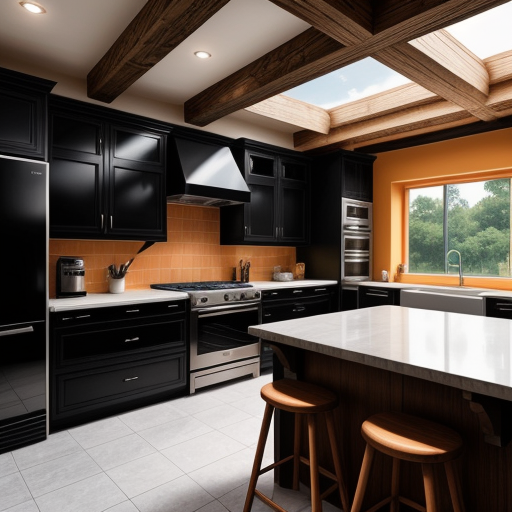
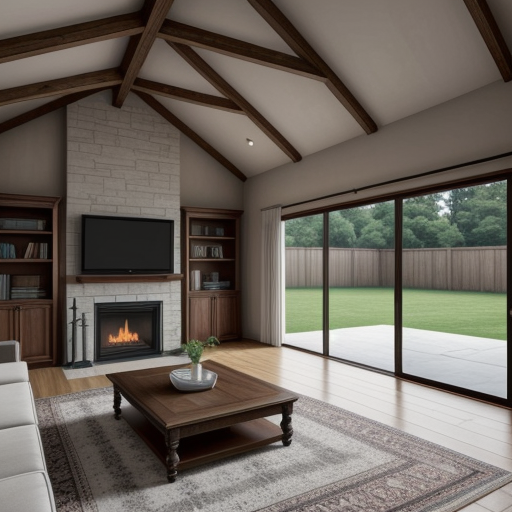
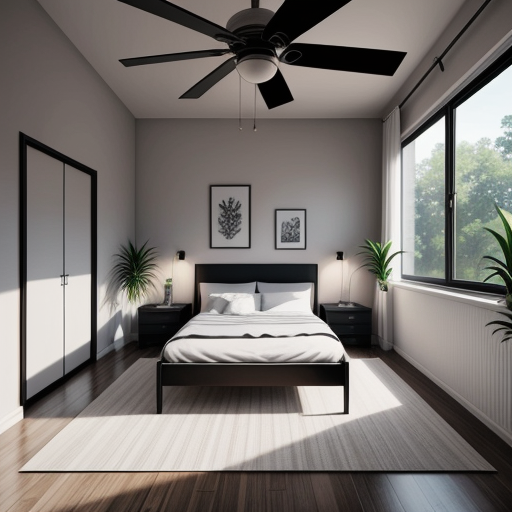
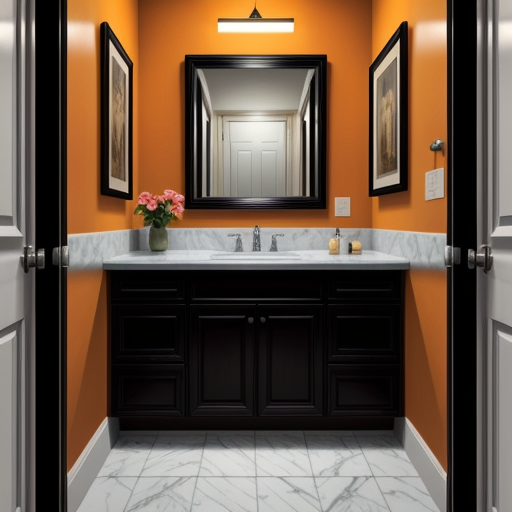
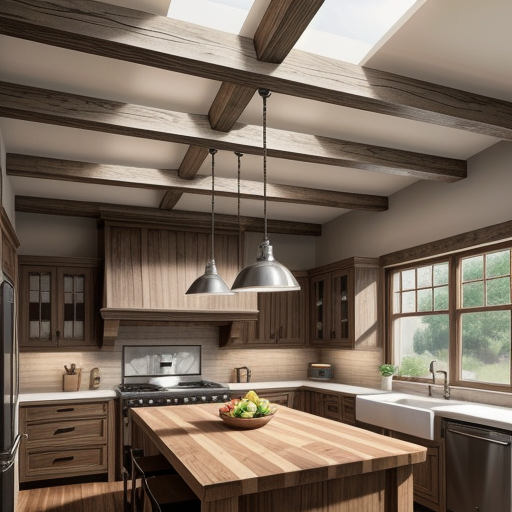
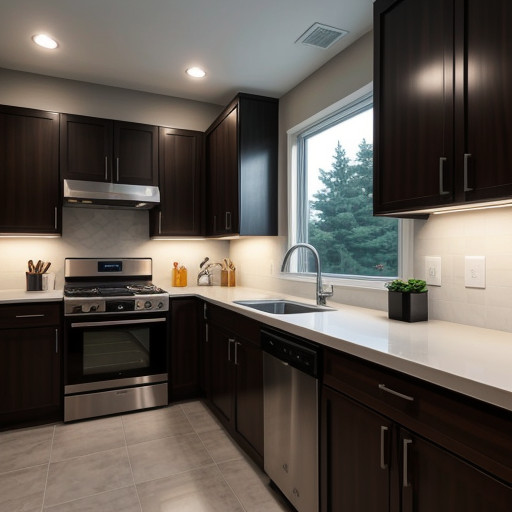
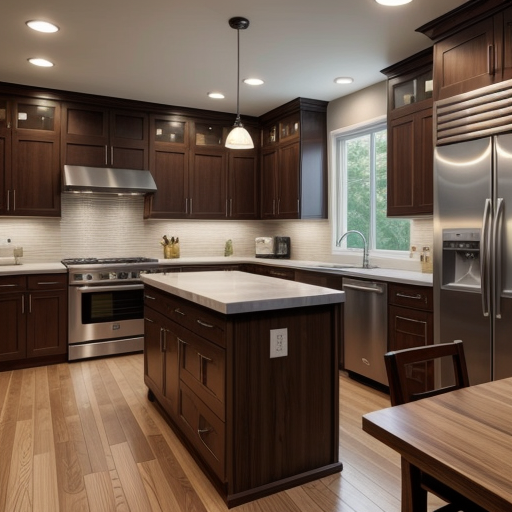
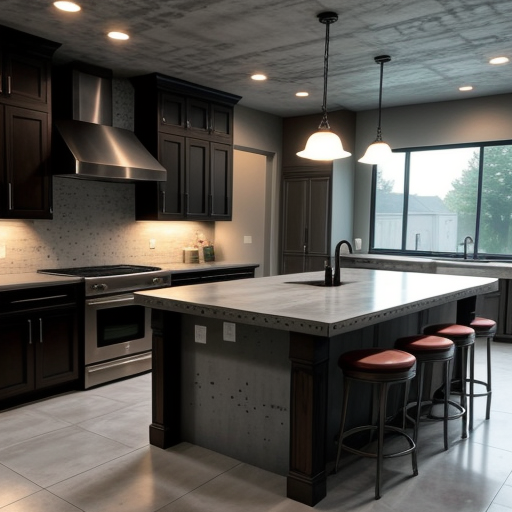
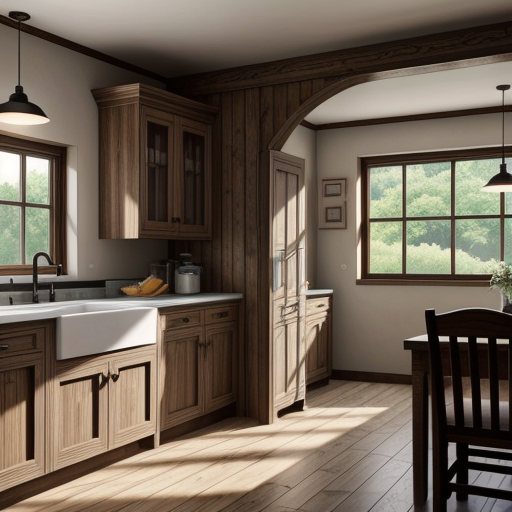
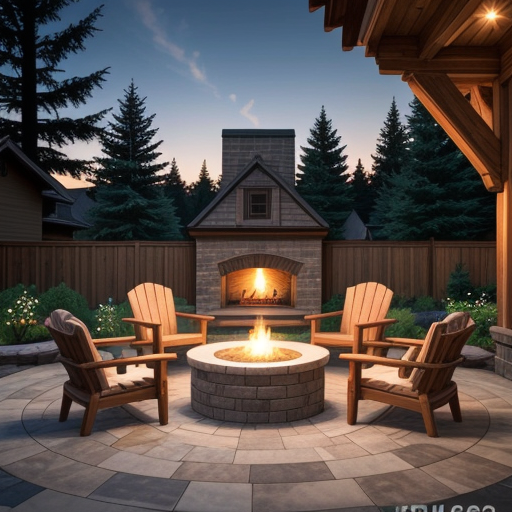
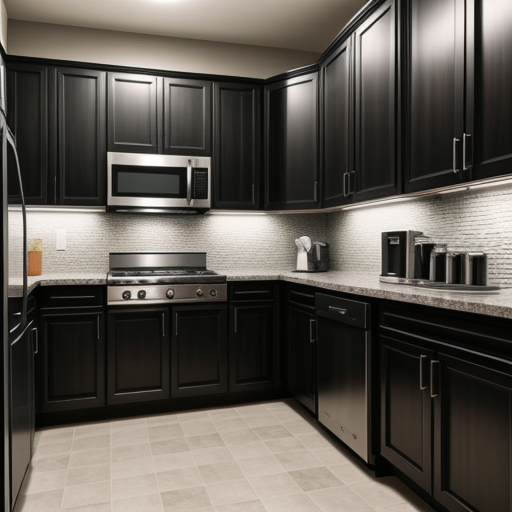
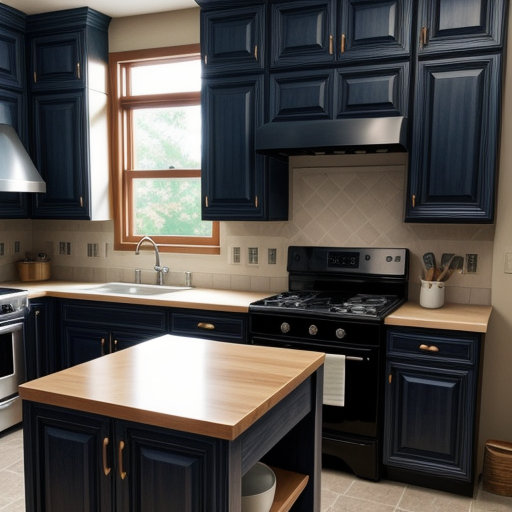
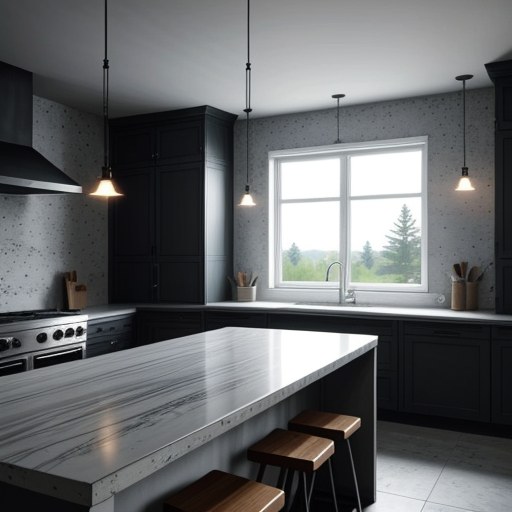
Another essential aspect is the quality of amenities. Luxury rentals typically offer high-end finishing, state-of-the-art appliances, and extensive services such as concierge, valet, and spa facilities. These amenities create an exclusive living experience that sets them apart from standard rental offerings.
Pricing in the luxury rental market can be considerably higher compared to conventional rentals. It's crucial to understand what drives these costs, which include the mentioned location and amenities, but also the demand from affluent tenants seeking temporary residence without the commitment of purchasing a home.
Investors looking into the luxury rental market should consider market trends, including shifts in economic conditions that could affect rental demand. Understanding rental cycles and tenant demographics can provide insights for maximizing return on investment.
In summary, the luxury rental market offers a distinctive opportunity, whether you’re a potential tenant seeking exceptional living standards or an investor looking to capitalize on high-end properties. By appreciating the key factors of location, amenities, and market trends, you can make informed decisions tailored to this exclusive market sector.