In today's environmentally conscious world, enhancing your home's energy efficiency is more important than ever. Not only can increasing energy efficiency benefit the planet, but it can also lead to significant cost savings on utility bills. Here are some practical tips to help you improve your home's energy efficiency.
1. Upgrade Insulation
A well-insulated home keeps warm air in during winter and cool air in during summer. Check your insulation levels in the attic, walls, floors, and basement. Consider upgrading to higher R-value insulation materials and sealing any gaps or leaks around windows and doors to maximize energy retention.
2. Invest in Energy-Efficient Appliances
When purchasing new appliances, look for models that have the ENERGY STAR label. These appliances are designed to use less energy while maintaining performance. Although they may have a higher upfront cost, the energy savings over time can offset this investment significantly.
3. Utilize Smart Thermostats
Smart thermostats allow homeowners to control heating and cooling systems more efficiently. They can be programmed to adjust temperatures automatically based on your schedule, reduce energy usage while you're away, and even provide energy usage reports. This technology can help reduce your energy consumption and lower your bills.
4. Seal Air Leaks
Air leaks can account for significant energy loss in homes. Perform a thorough inspection to identify drafts around windows, doors, and vents. Use caulk and weatherstripping to seal these leaks, which will help regulate your home’s temperature and reduce heating and cooling costs.
5. Upgrade Windows
Old windows can be major culprits when it comes to energy loss. Consider replacing single-pane windows with double or triple-pane options that offer better insulation. Additionally, window films and treatments can help maintain indoor temperatures without blocking natural light.
6. Optimize Lighting
Switching to LED lighting is an easy and effective way to increase energy efficiency. LEDs use up to 80% less energy than traditional incandescent bulbs and last significantly longer. Additionally, consider incorporating natural light into your home design to reduce the need for artificial lighting during the day.
7. Install Energy-Efficient Landscaping
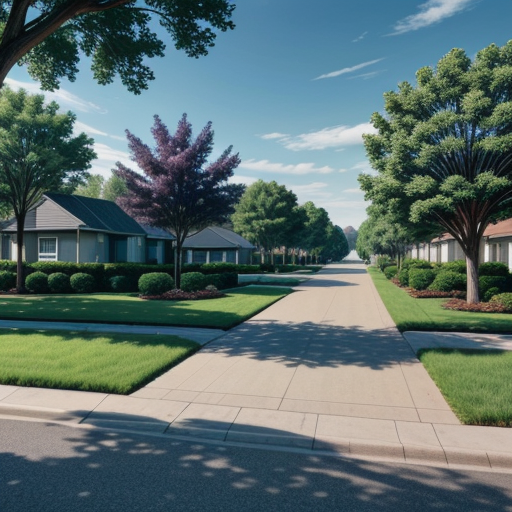
The placement of trees, shrubs, and other plants can impact your home’s energy efficiency. By strategically planting shade trees around your property, you can naturally cool your home in the summer. Conversely, windbreaks can protect your home from cold winds in the winter, reducing heating needs.
8. Schedule Regular Maintenance
Regular maintenance of your heating and cooling systems, including furnace and A/C inspections, ensures they operate as efficiently as possible. Clean or replace filters and consider annual professional check-ups to keep these systems running in peak condition.
By making these energy-efficient updates to your home, you not only contribute to a sustainable future but also enjoy long-term savings on your energy bills. Taking the time to enhance your home's energy efficiency is a worthwhile investment for any homeowner looking to improve comfort and reduce expenses.