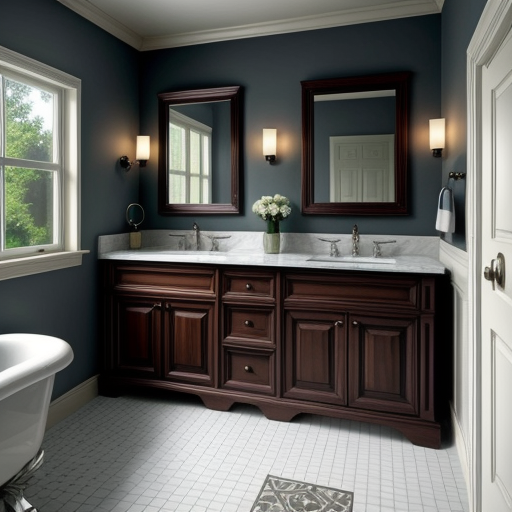
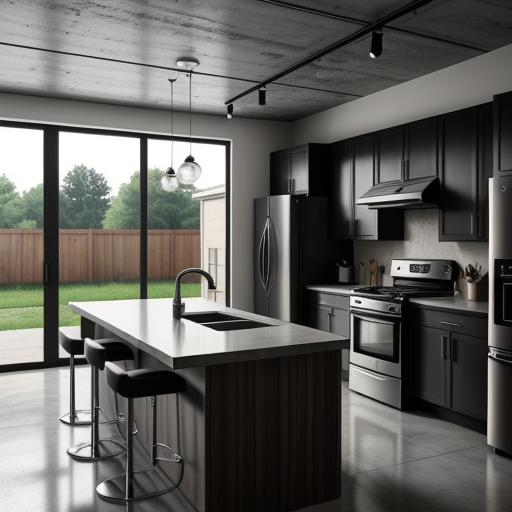
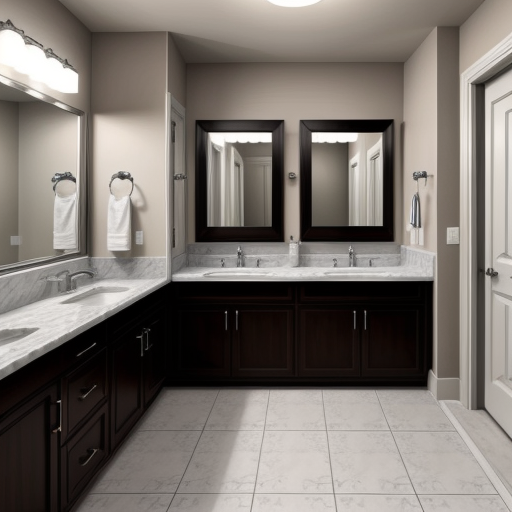
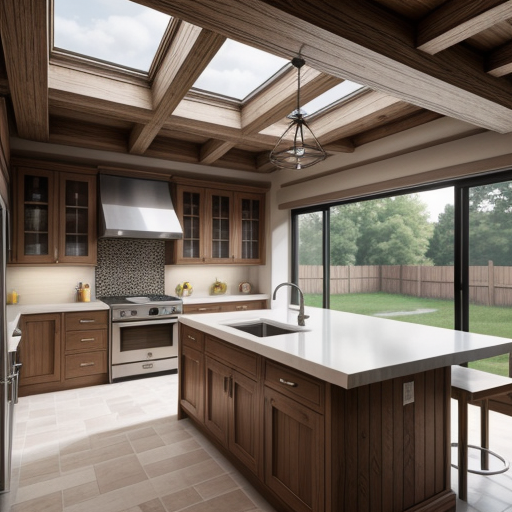
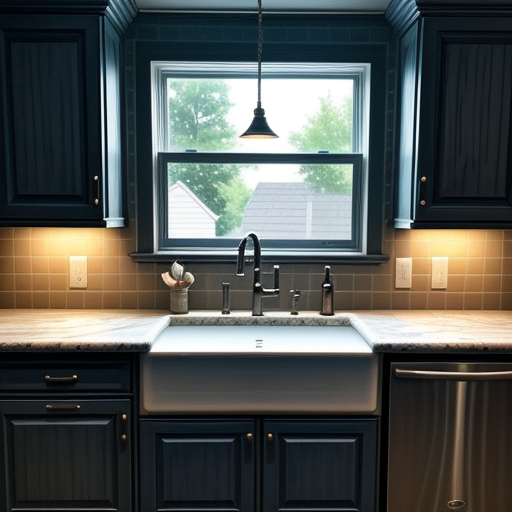
Renovating your home can be an exciting yet daunting endeavor. Whether you're looking to modernize your kitchen, upgrade your bathroom, or enhance your outdoor living space, creating a comprehensive budget is crucial for the success of your renovation projects. Here’s a step-by-step guide to help you formulate an effective budget that will keep your renovation on track financially.
1. Define Your Goals Before diving into budget numbers, clearly outline the goals of your renovation. Are you looking for enhanced functionality, increased home value, or simply aesthetic improvements? Establishing concrete objectives will guide your budgeting process and prioritize how funds will be allocated.
2. Research Costs Take the time to research typical costs associated with your intended renovations. Online resources, home improvement stores, and local contractors can provide insight into material prices, labor costs, and any permits required. Remember to account for different quality levels of materials, as they can significantly impact your budget.
3. Create a Detailed Itemized Budget With your goals and research in mind, create a detailed itemized budget. Break down each area of your renovation into specific components, such as materials, labor, and permits. Include additional costs like decor or landscaping, so you have a clearer picture of what you need to spend.
4. Consider Unexpected Expenses It's wise to prepare for the unexpected. Renovations can often lead to unforeseen complications such as structural issues or outdated plumbing. A common recommendation is to allocate an additional 10-20% of your total budget for unexpected expenses. This cushion can save you from pulling funds from other areas or going over budget.
5. Set Priorities Once you’ve accounted for costs, rank your renovation projects based on priority and necessity. This allows you to make informed decisions if you need to cut costs later on. Focus on high-impact renovations first, such as kitchen and bathroom upgrades, which generally offer a higher return on investment.
6. Explore Financing Options If your renovation budget exceeds your immediate financial capacity, consider various financing options. Home equity loans, personal loans, or financing plans offered by contractors may be viable solutions. Ensure you understand the terms and interest rates before proceeding.
7. Track Expenses Throughout the Process During the renovation, consistently track your expenses against your budget. This step is essential for identifying any deviations from your plan and making adjustments as necessary. Tools and apps designed for budgeting can make this process easier and keep you organized.
8. Communicate with Your Contractors If you’re hiring contractors for your renovation, maintaining open communication about your budget is crucial. Discuss your budget constraints from the outset, and ask for transparency regarding costs they foresee. A reputable contractor will work with you to make adjustments that align with your financial goals without sacrificing quality.
In conclusion, creating a budget for your renovation is a multi-step process that requires careful consideration and planning. By defining your goals, researching costs, and tracking your expenses diligently, you can ensure a smoother renovation experience that aligns with your financial capabilities. Your home is an important investment, and a well-planned budget can help you maximize its value and your satisfaction with the finished project.