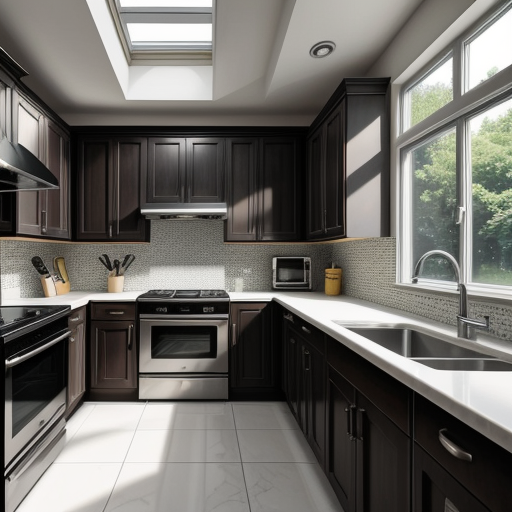
Creating a home maintenance schedule is essential for ensuring your home remains in excellent condition over the years, safeguarding your investment, and preventing costly repairs. A proactive approach to home upkeep will not only enhance the longevity of your property but also ensure a safe and comfortable living environment. In this article, we will explore how to effectively design a maintenance schedule that suits your needs.
Assess and Prioritize Tasks
Begin by assessing your home to determine what tasks are essential for maintaining your property. Categorize these tasks based on how often they need to be addressed: monthly, quarterly, bi-annually, or annually. Prioritizing tasks according to their urgency and potential impact on your home will help in effectively allocating resources and time.
Monthly Maintenance Tasks
Monthly tasks typically include checking HVAC filters, inspecting and cleaning kitchen and bathroom fixtures, and ensuring that all smoke detectors are functioning properly. Regularly walking around your property to identify any new issues is also advisable.
Quarterly and Bi-Annual Maintenance Tasks
Every few months, focus on tasks such as checking attic spaces for leaks, lubricating garage door tracks, inspecting the water heater for leaks, and maintaining landscaping features. Bi-annual tasks might include gutter cleaning, inspecting the roof, and ensuring that your HVAC system is running efficiently.
Annual Maintenance Tasks
Annually, dedicate time to major inspections and maintenance work. These tasks may include checking the foundation for signs of cracking or settling, having a professional inspect heating systems, and servicing air conditioning units. An annual deep clean of various elements like windows, carpets, and curtains can help maintain the aesthetic appeal of your home.
Stay Organized and Keep Records
To streamline your maintenance efforts, use digital tools or apps designed for home management. These tools can remind you about upcoming maintenance tasks and provide a centralized location for records such as warranties, receipts, or maintenance logs. Keeping detailed records will prove invaluable if any issues arise, offering a history of repairs and replacements.
Hire Professionals When Necessary
While many tasks can be handled personally, certain maintenance requirements may need professional attention. Developing a relationship with trusted local service providers, such as plumbers, electricians, and HVAC technicians will save time and ensure quality work when professional help is required.
Conclusion
By creating and adhering to a comprehensive home maintenance schedule, you ensure that your property remains a sound investment and a comfortable place to live. Regular maintenance mitigates unexpected repairs and helps you to plan expenses effectively. Implement the steps outlined here and tailor your schedule to meet your needs, maximizing your home's value and longevity.