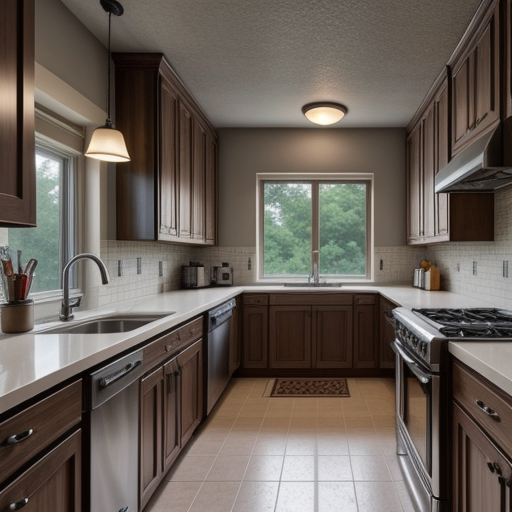
Flipping properties has gained immense popularity among real estate investors looking to bolster their income. This strategy involves purchasing a property, making improvements, and selling it at a profit within a short period. Whether you’re a seasoned investor or just starting, understanding the nuances of property flipping can elevate your success. In this guide, we’ll walk through essential steps and best practices for flipping properties profitably.
Understanding the Concept of Property Flipping
Property flipping is more than just buying low and selling high; it encompasses various stages of evaluation, renovation, and market strategy. Essentially, you will be searching for undervalued properties, often those that require cosmetic upgrades or repairs, to increase their market value before selling.
Conduct Thorough Market Research
Before jumping into property flipping, it’s critical to conduct thorough market research. Start by identifying neighborhoods with high potential for appreciation or where demand for housing is increasing. Tools like comparative market analysis (CMA) can help you evaluate the value of similar properties in the area to ensure you’re making a sound investment.
Securing Financing
Once you’ve identified a potential property, you’ll need to secure financing. Explore various options such as traditional mortgages, hard money loans, and cash purchases. Each financing option has its pros and cons, depending on your financial situation and how quickly you need access to funds. Acting swiftly is crucial in competitive markets, so having financing lined up in advance can give you an edge.
Find a Property with Potential
Identify properties that offer the best flip potential by focusing on distressed homes, foreclosures, or properties in need of cosmetic upgrades. Factors like location, neighborhood trends, and school districts can significantly influence resale values. Make sure to evaluate the property’s overall condition to avoid underestimating renovation costs.
Create a Renovation Plan
Once you’ve secured the property, it’s time to create a comprehensive renovation plan. Focus on improvements that yield the highest return on investment (ROI), such as kitchen and bathroom remodels, and enhance curb appeal. It’s essential to stay on budget and stick to a timeline; delays can incur additional costs and cut into your profits.
Market the Property Effectively
After renovations are complete, your next step is to market the property effectively. High-quality photography and staging can help highlight your home’s best features. Hosting open houses and utilizing online platforms, including social media and real estate websites, can maximize your reach. Collaborating with a knowledgeable real estate agent who understands the local market can also enhance your marketing efforts.
Selling Strategies for Maximum Profit
When it comes to pricing your flipped property, set a competitive but realistic price based on market research. Consider pricing strategies such as bidding wars, but be prepared to negotiate. Moreover, presenting a well-maintained property with updated documentation can encourage buyers to act quickly.
Conclusion: The Rewards of Flipping Properties
Flipping properties can be a lucrative venture with the right strategies in place. Educate yourself about the local real estate market, plan renovations wisely, and employ robust marketing tactics to maximize your profits. Remember, successful flipping relies on informed decisions at each stage of the process. By fostering your skills and expanding your knowledge in property flipping, you can create a profitable real estate investment mold for years to come.