In today's world, ensuring your home is secure is more crucial than ever. With a plethora of options available, choosing the right home security system can feel overwhelming. However, by understanding your specific needs, exploring available technologies, and considering different factors, you can make an informed decision that will provide peace of mind for you and your family.
Assess Your Security Needs
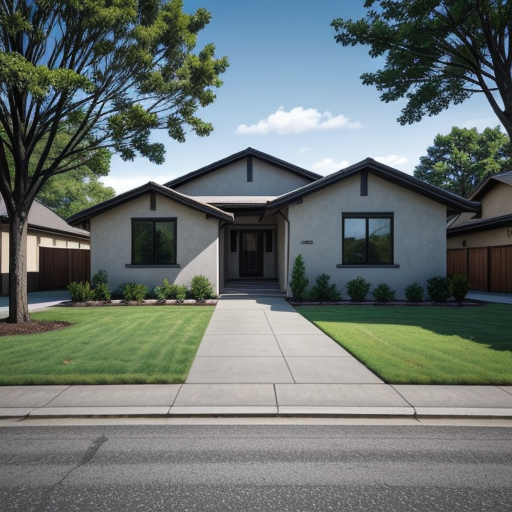
Before diving into the various systems on the market, it's essential to evaluate your security requirements. Consider factors such as the layout of your home, the neighborhood's crime rate, and your lifestyle. For instance, if you’re often away from home, a system with remote monitoring capabilities may be a top priority. Conversely, if you have children or pets, features like motion sensors and video surveillance can help you keep an eye on them.
Understand the Types of Security Systems
There are several types of home security systems to choose from, including wired and wireless systems, smart home integrations, and monitored vs. unmonitored systems. Wired systems often provide reliable, robust security but can be more complex to install. On the other hand, wireless systems offer flexibility and ease of installation. Smart home systems can integrate with devices like cameras, lights, and locks, allowing for remote access and control.
Research Various Features
Different security systems come equipped with various features that can enhance their effectiveness. Look for systems that offer motion detectors, door/window sensors, video surveillance, and alarms. Advanced features such as smart home integration, mobile app support, and emergency response capabilities can also add value. Evaluate which features are most important to you, as they can contribute significantly to your home's overall security.
Consider Professional vs. DIY Installation
Installation can be another factor to consider when choosing a security system. Professional installation ensures that the system is correctly set up and can provide a level of reassurance that everything is functioning as it should. However, DIY systems can be more cost-effective and provide the flexibility to install the system at your own pace.
Evaluate Costs and Contracts
The cost of a home security system can vary widely depending on the features and services included. Determine your budget and compare prices for equipment, installation, and monitoring services. Additionally, be cautious of long-term contracts that may lock you into a particular service provider. Look for companies that offer flexible pricing with no hidden fees.
Read Customer Reviews and Recommendations
Before making a final decision, it's beneficial to read customer reviews and seek out personal recommendations. Hearing from other homeowners about their experiences with different systems can guide you toward reliable options. Look for feedback on ease of use, customer service, and the system's effectiveness.
Conclusion
Choosing the right home security system is an important decision that requires careful consideration. By assessing your needs, understanding the different types of systems available, evaluating key features, considering your installation preferences, and researching customer feedback, you’ll be more prepared to select a system that meets your security requirements. Investing in a robust home security system not only protects your home but also delivers peace of mind for you and your loved ones.