The landscape of real estate is continuously evolving, and one significant factor driving these changes is the emergence of new developments. Whether it's the construction of residential complexes, commercial centers, or infrastructural projects, new developments can profoundly impact home values in their vicinity. This blog post will delve into how these projects influence real estate prices and what potential homebuyers need to consider.
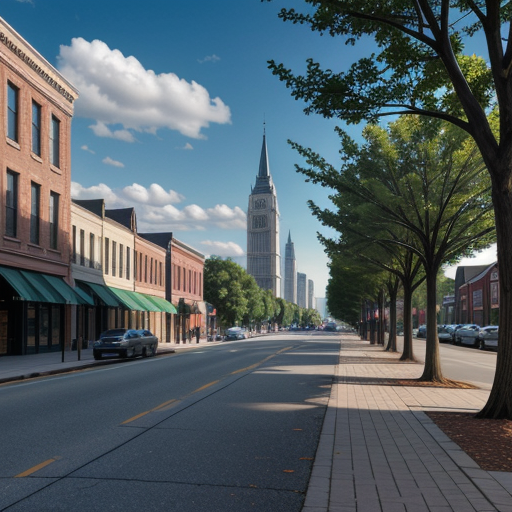
New developments often bring about a revitalization of the surrounding area. As modern amenities and facilities arise, they tend to attract both businesses and residents. This new influx of activity can increase demand for housing, pushing property prices up. For instance, if a new shopping center or a park is built nearby, the perceived attractiveness of the location increases, making it a more desirable place to live.
In addition to demand, supply also plays a pivotal role. If a development includes a significant number of residential units, it might temporarily flood the market with supply, which could stabilize or even reduce prices in the short term. However, this is generally counterbalanced by the enhanced appeal of the area and improved local infrastructure, leading to long-term price appreciation.
Infrastructure development, such as new roads or public transport links, is another factor that can positively affect home values. Enhanced connectivity makes an area more accessible, which not only benefits current residents but also draws in potential homebuyers. Improved transport can shorten commutes, thereby raising the convenience and desirability of the neighborhood.
It is also essential for homebuyers to be wary of overvalued markets. Occasionally, the anticipation of new developments can cause speculative investment, where property prices are driven up irrationally. Buyers should assess whether the price increase is justified by tangible improvements or if it stems from overhyped expectations.
Furthermore, the type and quality of the new development matters significantly. Projects that are well-designed and integrated into the community's fabric enhance the area's reputation, whereas poorly planned constructions might have an adverse effect. Thus, assessing the thoroughness of planning and development quality is crucial.
In conclusion, while new developments can result in increased home values and enhance the attractiveness of a neighborhood, it is essential for potential buyers to conduct thorough research to understand the implications fully. The balance between supply and demand, the nature of the development, and connectivity improvements all play vital roles in shaping the market. Staying informed and monitoring these dynamics will help buyers make more educated decisions in the ever-evolving realm of real estate.