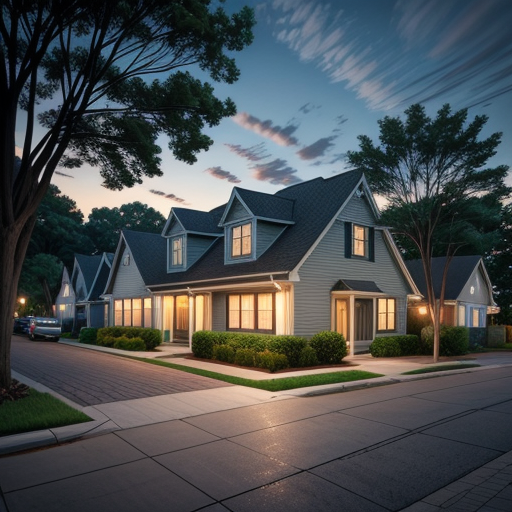
Understanding Passive House Standards is crucial for today’s environmentally conscious homebuyers. These standards focus on energy efficiency, sustainability, and comfort in residential properties.
The Passive House standard originated in Germany and has since gained international recognition for its rigorous approach to reducing energy consumption. Homes built to these standards are designed to maintain a comfortable indoor climate year-round, regardless of external weather conditions.
One of the key principles of passive house design is the use of superior insulation. This means that walls, roofs, and floors are insulated to a level that minimizes heat loss. High-performance windows are also a critical component, often triple-glazed, to prevent thermal bridging and improve energy retention.
Another core concept is airtightness. Passive homes are constructed to be extremely airtight, significantly reducing the risk of drafts and the need for excess heating or cooling. Alongside this, a heat recovery ventilation system ensures fresh air circulation without sacrificing energy efficiency.
The benefits of adhering to Passive House Standards extend beyond energy savings. Homeowners can expect reduced utility bills, improved indoor air quality, and a generally more comfortable living environment. Additionally, as global awareness of climate change grows, properties built to these standards can have enhanced marketability.
As a homebuyer, considering a property designed to Passive House Standards can provide both immediate and long-term advantages. Whether looking for a new home or thinking about building, understanding these standards is essential for making informed choices. Emphasizing sustainability and energy efficiency not only benefits individual homeowners but also contributes positively to the community and the planet.