In today's environmentally conscious world, increasing your home's energy efficiency is not only beneficial for the planet but also for your wallet. Energy-efficient homes consume less energy, leading to lower utility bills and a smaller carbon footprint. Here, we will explore several effective strategies that homeowners can implement to enhance their property's energy efficiency.
First and foremost, consider upgrading your insulation. Insulation plays a critical role in maintaining the temperature within your home, preventing heat from escaping during winter months and keeping cool air in during the summer. Check areas such as the attic, walls, and floors for adequate insulation and add more if necessary.
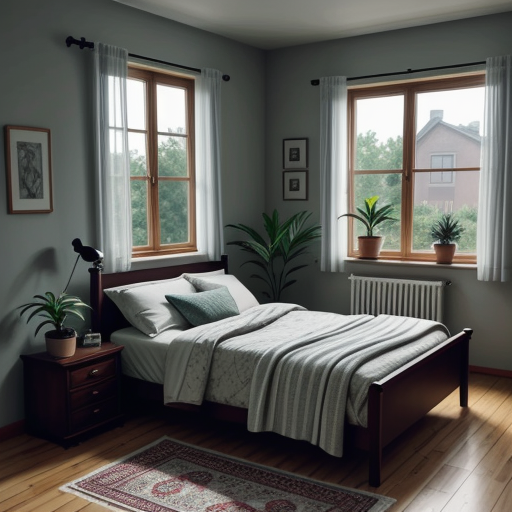
Next, focus on your windows and doors. Older windows can be a significant source of energy loss. If they are drafty or single-paned, consider replacing them with energy-efficient double or triple-pane windows. Additionally, weatherstripping doors and windows can help seal any leaks, further reducing energy waste.
Another vital aspect is the HVAC system. An efficient heating, ventilation, and air conditioning system can dramatically cut down on energy usage. Regular maintenance, such as changing filters and having the system inspected annually, is crucial. If your system is outdated, investing in a new energy-efficient model can result in substantial savings.
Switching to energy-efficient lighting is another simple yet effective adjustment. Replace incandescent bulbs with LED or CFL bulbs, which use a fraction of the energy while providing the same, if not better, lighting quality. Not only will this lower your energy consumption, but it also reduces the frequency of bulb replacements.
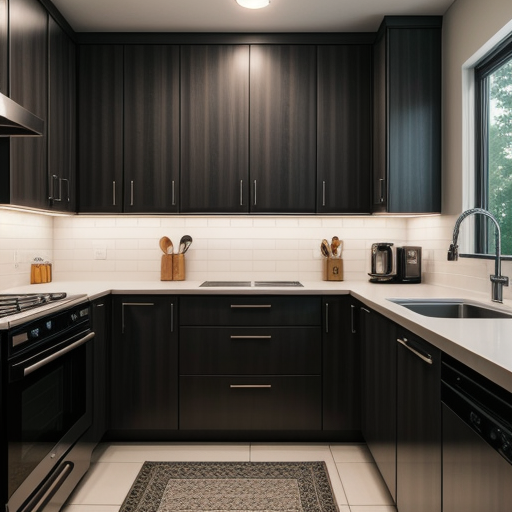
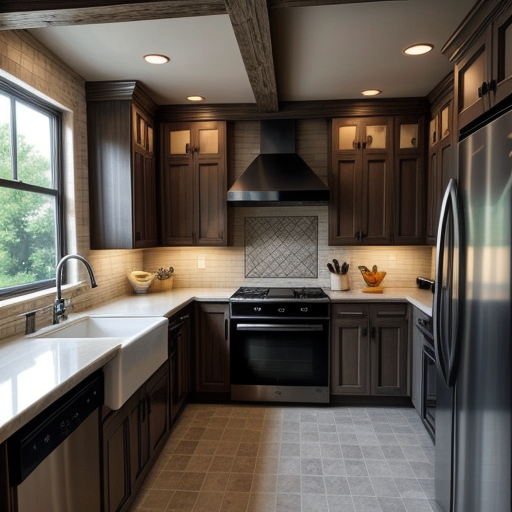
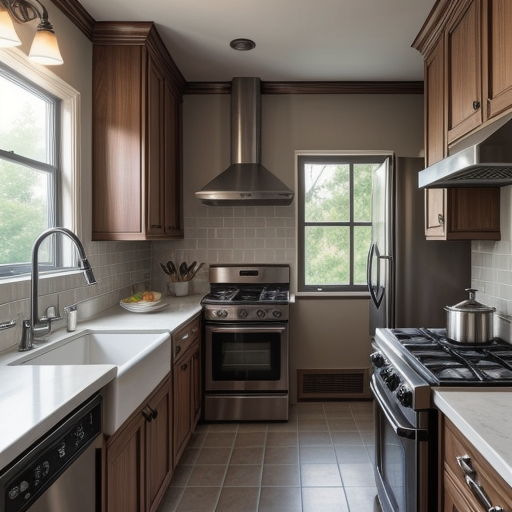
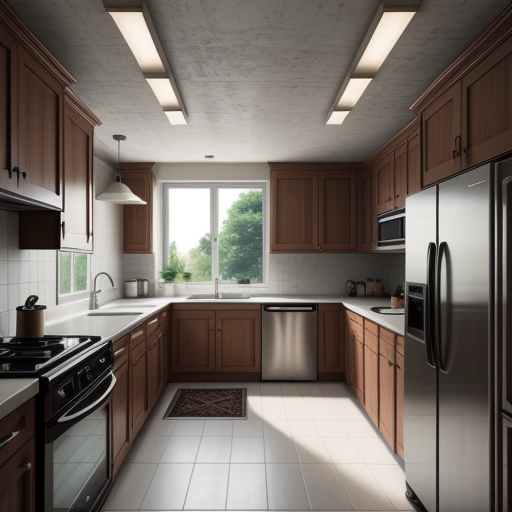
Additionally, consider investing in energy-efficient appliances. When it's time to replace an appliance, look for the ENERGY STAR label, indicating that it meets energy efficiency guidelines set by the U.S. Environmental Protection Agency. These appliances often use less energy and water than their counterparts, which translates to long-term savings.
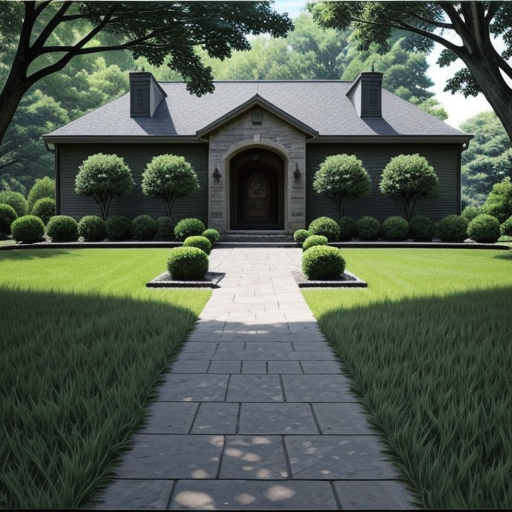
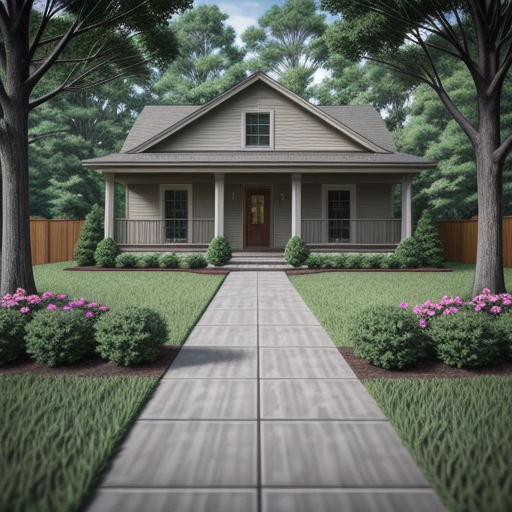
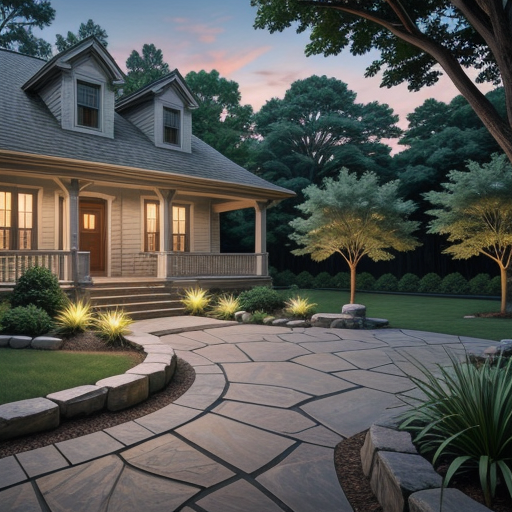
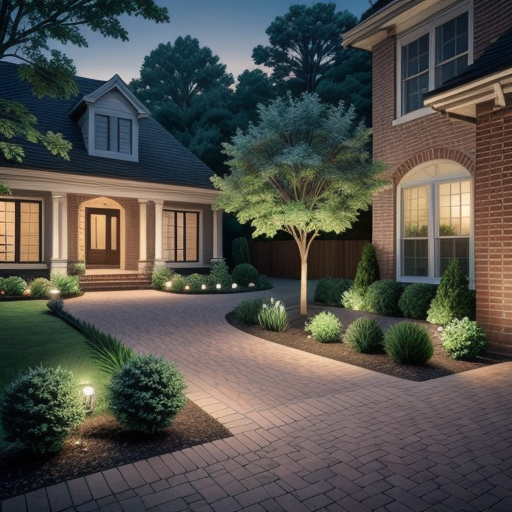
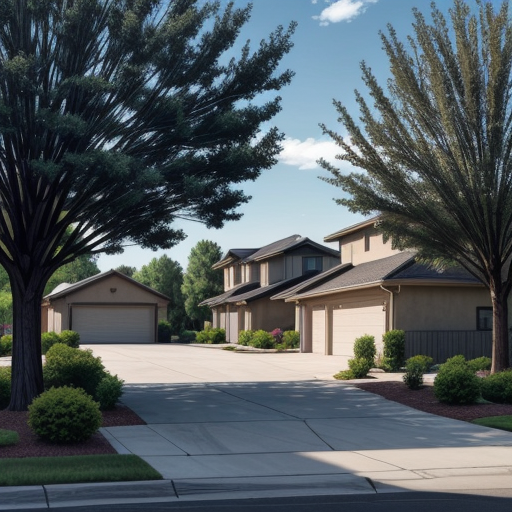
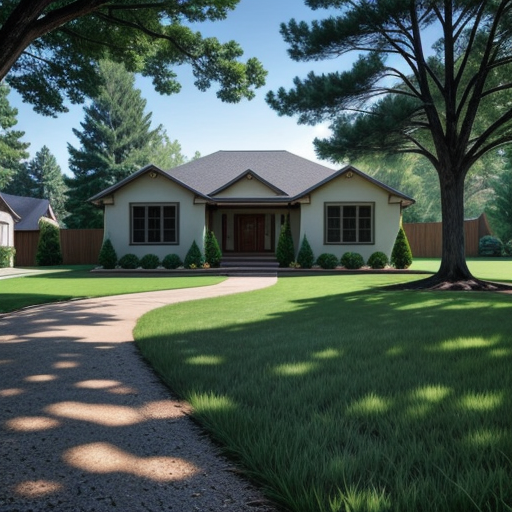
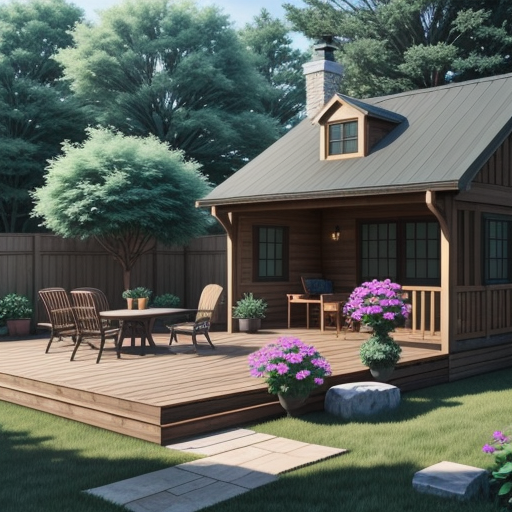
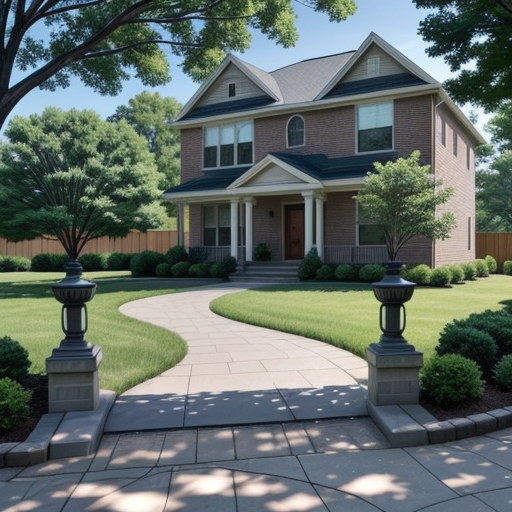
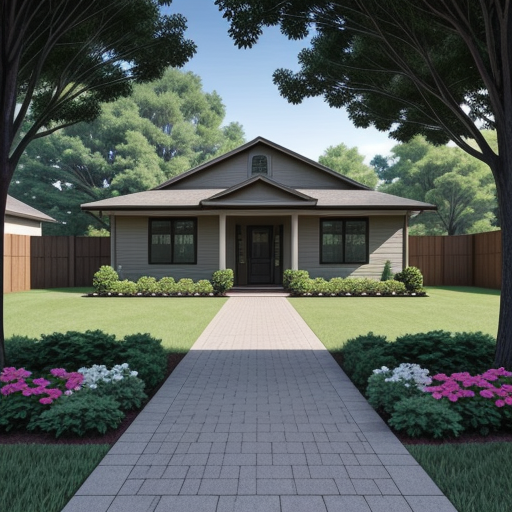
Don’t forget about the impact of landscaping on your home’s energy efficiency. Strategic tree planting for shade can reduce cooling costs during the summer. Additionally, consider installing a rainwater collection system for irrigation purposes, which can alleviate water usage in your gardens.
Finally, think about renewable energy options, such as solar panels. While the initial investment can be significant, many homeowners find that the savings on their energy bills and potential tax credits can lead to a favorable return on investment over time.
In conclusion, making your home more energy-efficient is a worthwhile endeavor that not only benefits your household but also contributes positively to the environment. By implementing these strategies, you can enjoy a comfortable living space while minimizing your energy costs. Start with a few small changes and watch how they add up to create a more efficient and sustainable home.