When considering a home purchase, it's essential not only to focus on its current appeal but also to evaluate its resale value. A property's resale potential can significantly impact your future financial stability and investment returns. Here’s a detailed guide on how to effectively assess a home's potential resale value:
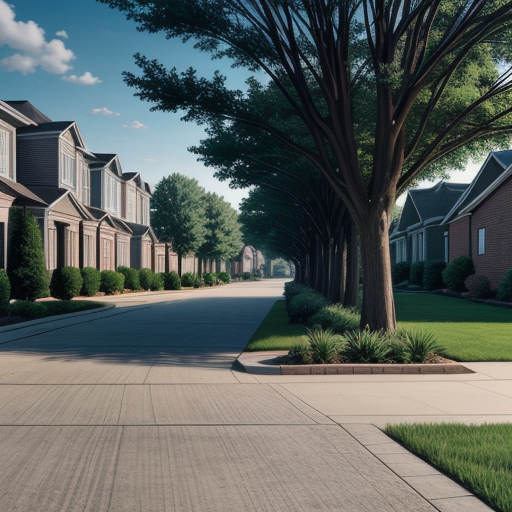
First, location is paramount. The neighborhood and community trends play a crucial role in determining a home’s worth over time. Research the area’s growth potential, access to amenities, school district rankings, and proximity to transportation. Homes in desirable, well-maintained neighborhoods with promising future development are more likely to appreciate in value.
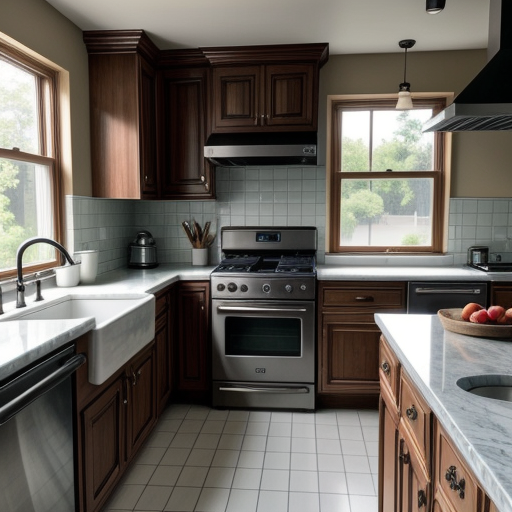
Next, consider the home's condition and maintenance. Properties that have been well-maintained or recently upgraded tend to attract more buyers and command higher prices. Look for updates in critical areas such as the roof, HVAC systems, plumbing, and electrical work. A home with a solid foundation and modern features will likely have a better resale value.
Another factor to evaluate is the size and functionality of the space. Buyers typically favor homes that offer a practical layout, sufficient square footage, and potential for expansion or customization. Properties with versatile spaces, such as a finished basement or a bonus room, can enhance resale appeal.
Pay attention to market trends and economic indicators. Real estate markets are subject to fluctuations based on broader economic conditions. Stay informed about interest rates, job growth in the area, and housing supply and demand dynamics, as these elements can influence property values.
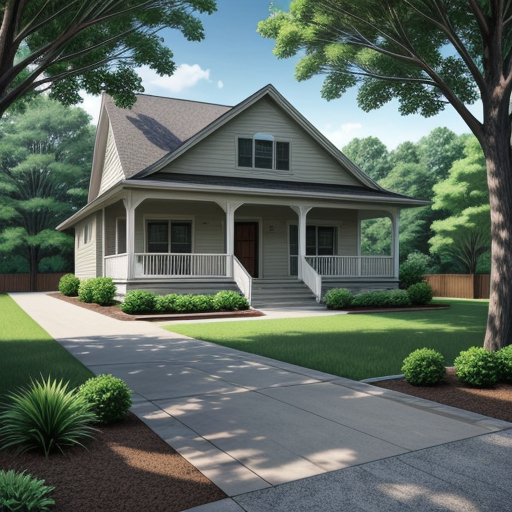
Additionally, unique features and curb appeal can make a significant difference. Distinctive architectural styles, quality landscaping, or special amenities (like a pool or outdoor entertainment area) can enhance a home’s attraction to prospective buyers, thereby boosting its resale value.
Finally, consult with real estate professionals who understand local market nuances. They can provide valuable insights and comparative market analyses to help accurately gauge a property's current worth and future potential.
In summary, evaluating a home's resale value requires a comprehensive approach, taking into account location, condition, size, market conditions, and distinctive features. By thoroughly assessing these factors, buyers can make informed decisions that align with their long-term financial goals.