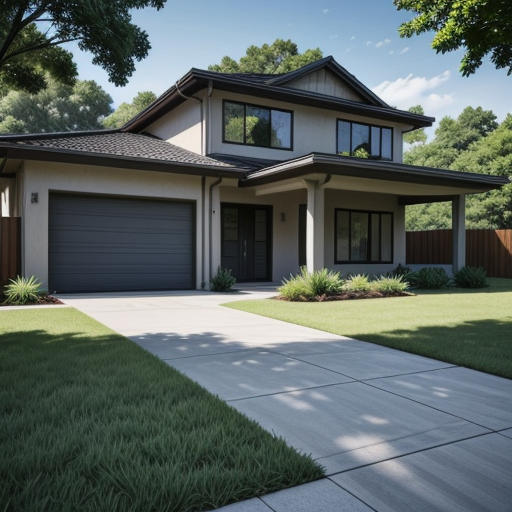
Buying a multi-family property can be a lucrative investment opportunity, offering the potential for rental income and property appreciation. However, there are several key factors that prospective buyers should consider to ensure they make an informed decision. Here are some essential considerations when purchasing a multi-family property.
1. Location, Location, Location
The location of the property is one of the most significant factors that can influence its rental demand and overall value. Look for neighborhoods with strong economic growth, good schools, and low crime rates. Proximity to public transport, shopping centers, and recreational facilities can also enhance the attractiveness of the property to potential tenants.
2. Property Condition
Before making a purchase, it is crucial to assess the condition of the multi-family property. This includes checking the structural integrity, plumbing, electrical systems, and overall maintenance. Hiring a professional inspector can provide you with a detailed report on any issues, allowing you to negotiate repairs or a fair purchase price.
3. Current Tenancy and Rents
If the property is already tenanted, it’s important to review the current lease agreements, tenant history, and rental prices in comparison to the local market. Understanding the existing tenancy can give you insight into the property’s cash flow potential and any imminent vacancies that could affect your investment.
4. Financial Analysis
Conduct a thorough financial analysis of the multi-family property. Evaluate operating expenses, property taxes, insurance, and utility costs to create a clear picture of the expected cash flow. Determine if the property can achieve positive cash flow while covering all expenses and mortgage payments.
5. Potential for Improvement
Look for properties with the potential for value-add opportunities, such as renovations or increased rents. Upgrading units or improving property amenities can contribute to higher rental income and long-term appreciation. Consider the cost and feasibility of implementing these improvements.
6. Zoning and Legal Considerations
Check local zoning laws and regulations to ensure the property complies with legal requirements for multi-family buildings. Understanding zoning laws can prevent potential issues with permits and renovations down the road.
7. Market Trends
Stay informed about current real estate market trends in the area. Look into historical real estate performance, demographic trends, and economic factors that may influence the rental market. A property in a growth market is likely to appreciate over time, leading to better returns on your investment.
In conclusion, purchasing a multi-family property requires thorough research and consideration. By evaluating location, property condition, financial performance, and market trends, buyers can make informed decisions that pave the way for successful investments in real estate. Whether you're an experienced investor or a first-time buyer, keeping these factors in mind will help you navigate your multi-family property purchase confidently.