In today's real estate market, the demand for sustainable living solutions is on the rise. As environmental concerns grow, so does the importance of green building practices in residential construction. Green building practices not only contribute to environmental protection but also offer substantial benefits to homeowners, including energy savings, improved indoor air quality, and potentially higher property values.
Implementing eco-friendly construction techniques often begins with selecting sustainable materials. These materials are typically renewable, recycled, or locally sourced, reducing the environmental footprint of the building process. Examples include bamboo flooring, recycled steel, and low-VOC paints, which help maintain better indoor air quality.
Energy efficiency is another critical component of green building. By integrating features such as high-efficiency HVAC systems, solar panels, and energy-efficient appliances, new homes can significantly reduce their energy consumption. In the long run, these enhancements not only lower utility bills but also contribute to a reduction in greenhouse gas emissions.
Water conservation is equally essential in sustainable construction. Through the use of water-efficient fixtures, rainwater harvesting systems, and drought-resistant landscaping, homeowners can significantly decrease their water usage. These measures not only conserve a vital resource but also help in cutting down water costs.
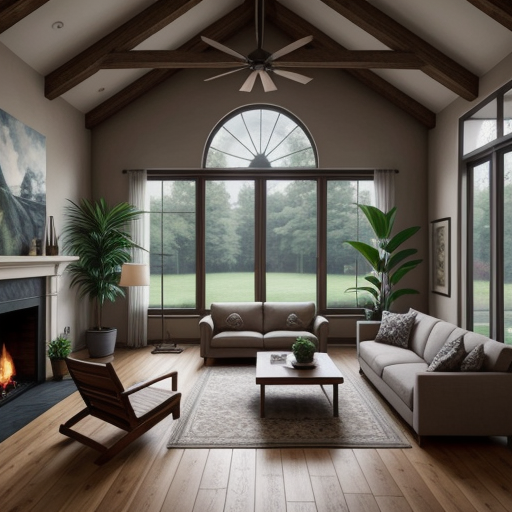
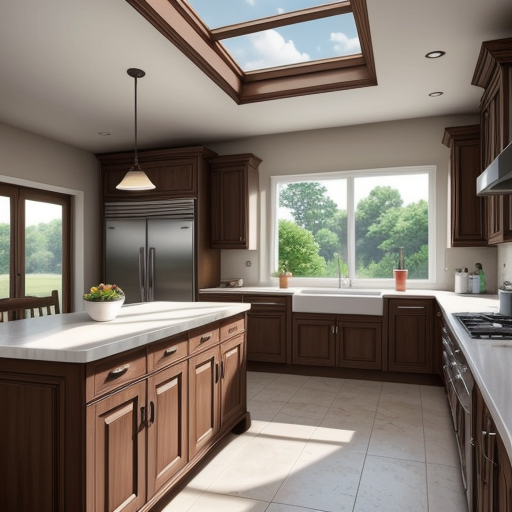
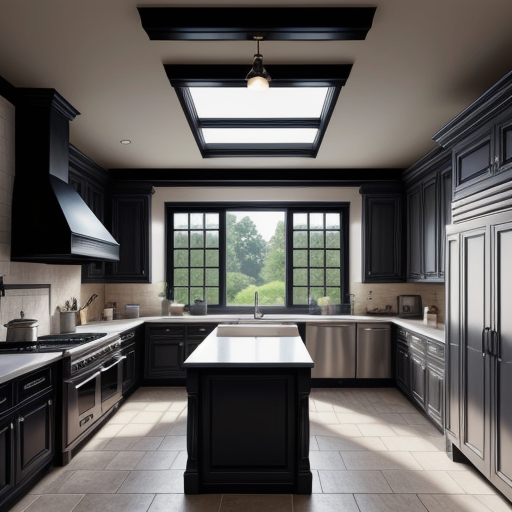
Moreover, green building practices extend to intelligent design elements that enhance natural lighting and ventilation. This not only reduces reliance on artificial lighting and air conditioning but also creates a healthier and more pleasant living environment.
Incorporating eco-friendly practices can also have financial benefits. Properties built with these considerations in mind often enjoy higher market value as buyers become more aware of sustainability issues. Furthermore, governments and local authorities may offer tax incentives or rebates for green-build certifications or the incorporation of certain sustainable features.
For real estate agents, understanding the significance of green building practices and conveying this knowledge to potential homebuyers is crucial. Highlighting these aspects can set a property apart in a competitive market and meet the growing demand for environmentally responsible living.
Conclusively, the importance of embracing green building practices in residential construction cannot be overstated. They present an opportunity for reducing ecological footprints while simultaneously offering financial and health advantages to homeowners. As the trend continues to grow, it stands as a testament to the positive impacts of sustainability in our everyday lives.