In today's real estate market, homebuyers are increasingly prioritizing properties that offer efficiency and sustainability. Incorporating energy-efficient upgrades into a home not only appeals to this demand but also adds long-term value and reduces utility costs. As real estate agents and homeowners consider property improvements, focusing on energy efficiency can be a smart investment.
One of the most impactful energy-efficient upgrades is enhancing insulation. Proper insulation in walls, attics, and flooring helps maintain a consistent indoor temperature, reducing the need for heating and cooling. This not only contributes to lower energy bills but also enhances overall comfort within the home.
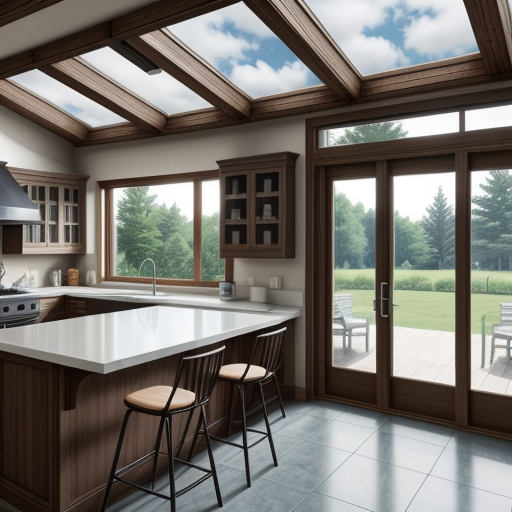
Another critical improvement is the installation of energy-efficient doors and windows. These fixtures are designed to minimize heat transfer, keeping homes cooler in the summer and warmer in the winter. Look for options with the ENERGY STAR label, an indicator of high performance and energy savings.
Upgrading to a programmable thermostat offers homeowners the convenience of controlling their home's climate efficiently. These devices can be set to adjust the temperature according to the hours of the day or occupancy patterns, ensuring that energy isn’t wasted.
In the realm of lighting, switching to LED bulbs can significantly reduce electricity consumption. LED lights have a longer lifespan than traditional incandescent bulbs and use a fraction of the energy.
For those considering larger projects, installing solar panels is a major step towards a sustainable home. Although the initial investment is higher, incentives and rebates can alleviate costs, and the payoff through energy savings can be substantial over time.
The implementation of energy-efficient measures can improve a home's marketability and provide significant energy savings. As sustainable living becomes a priority for more homeowners, real estate agents should emphasize these improvements when discussing property options.