As energy costs continue to rise, homeowners are increasingly looking for ways to make their houses more energy efficient. Improving your home’s energy efficiency not only reduces utility bills but also enhances comfort and increases property value. Here are several key strategies you can employ to boost your home’s energy performance.
One of the most effective steps you can take is to invest in proper insulation. An adequately insulated home retains heat in winter and keeps it out during summer, drastically reducing the need for heating and cooling. Start by checking your attic, walls, and floors for insulation and upgrade them if necessary.
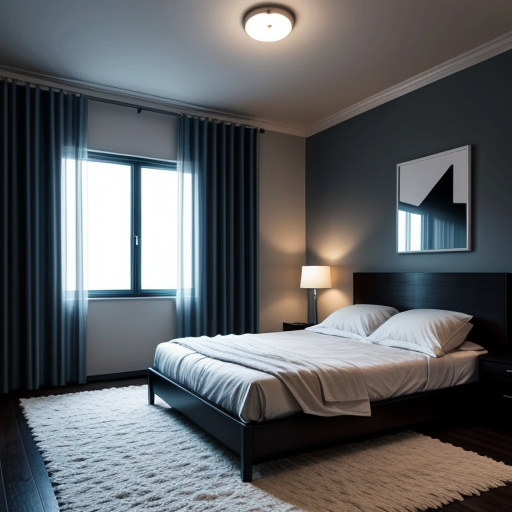
Another area to consider is the windows. High-performance windows with low-emissivity coatings can prevent heat escape during cold months and inhibit heat entry during warmer periods. If replacing windows isn't feasible, adding storm windows or using window treatments, like UV-reflective films or heavy curtains, can enhance energy efficiency.
Upgrading to an energy-efficient HVAC system can also make a noticeable difference. Opt for units with a high Seasonal Energy Efficiency Ratio (SEER) or Annual Fuel Utilization Efficiency (AFUE) values. Regular maintenance, like cleaning filters and ducts, is equally vital to ensure your system operates efficiently.
Don’t overlook small changes: replacing incandescent bulbs with LEDs, installing programmable thermostats, and sealing leaks around doors and windows contribute significantly to energy savings. Incorporating these measures not only aids in sustainability but can also qualify you for certain tax rebates and incentives, further offsetting initial costs.
In conclusion, making your home more energy-efficient is a smart investment that pays off in multiple ways. By addressing insulation, window quality, HVAC efficiency, and incorporating simple energy-saving habits, you can lower your energy consumption and increase your home’s overall efficiency and appeal.