When purchasing a home, it's crucial to consider its future resale value, especially if you plan on selling it in the future. A property's potential for appreciation can significantly impact your financial gain. Here are some essential factors to consider when evaluating a home's resale value.
-
Location and Neighborhood: One of the most critical factors affecting a home's resale value is its location. Properties located in desirable neighborhoods with good schools, convenient access to shopping centers, transportation hubs, and low crime rates tend to retain or increase in value. Research the area's growth prospects and development plans, as these can enhance the property's desirability.
-
Market Trends: Understanding current market trends is essential. Evaluate the local real estate market, including recent sale prices of comparable homes, days on market statistics, and overall housing demand. A neighborhood experiencing growth and high demand generally offers better resale potential.
-
Size and Layout: The home's size and layout can heavily influence its future resale value. Homes with flexible floor plans, adequate bedrooms, and sufficient storage are typically more attractive to buyers. Additionally, homes featuring unique selling points, like large yards or additional living spaces, can offer a competitive edge in the market.
-
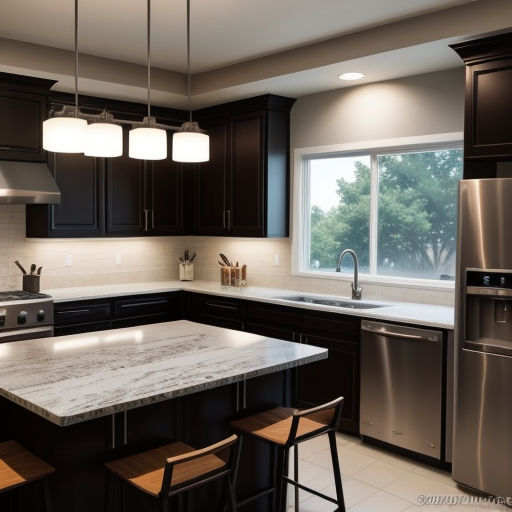
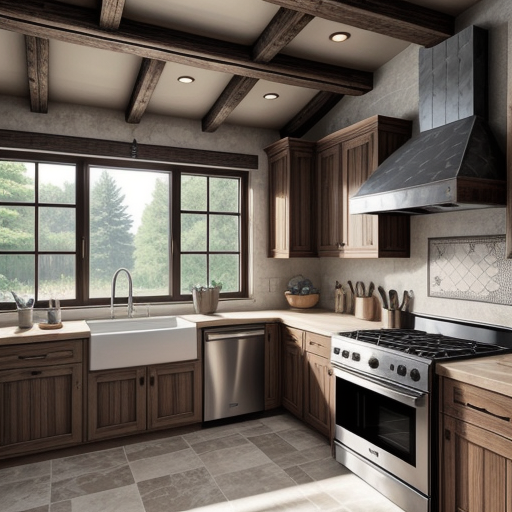
Condition and Updates: The home's condition and the extent of any updates are key determinants of its resale value. Homes that are well-maintained and have modern amenities, such as updated kitchens or energy-efficient systems, tend to fetch better prices. Consider whether the home will require significant repairs or renovations before you buy, as these can impact profits.
-
Curb Appeal and Aesthetics: First impressions matter. Properties with exceptional curb appeal and well-designed landscaping can attract more buyers and often sell quicker than those lacking these qualities. Investing in improving the home's exterior can be a strategic move to boost its eventual resale value.
-
Economic Indicators: Look at broader economic factors that could influence property values. Job growth, interest rates, and national or global economic conditions can all play a part in the housing market's overall health, affecting how quickly and lucratively you can resell your home.
By thoroughly analyzing these factors, potential home buyers can make informed decisions and invest in properties with a solid resale value. A carefully chosen home is not just a place to live, but an asset that can appreciate over time.