Embarking on a home renovation project is an exciting venture, but it also comes with its challenges, particularly when it comes to budgeting. Creating a realistic and detailed budget is essential for ensuring your renovation is completed on time and within financial constraints. This guide will help you navigate the budgeting process effectively, empowering you to make informed decisions throughout your renovation journey.
1. Determine Your Renovation Goals
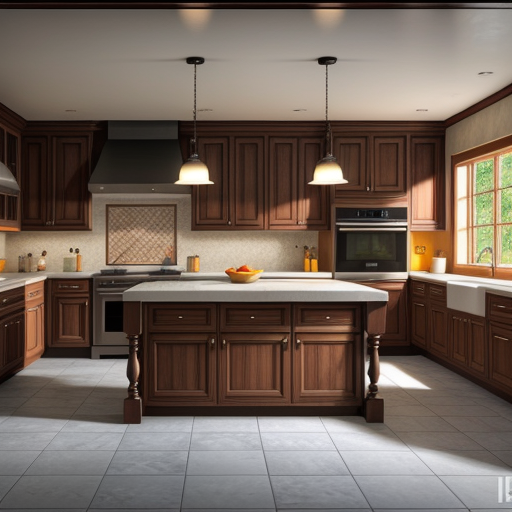
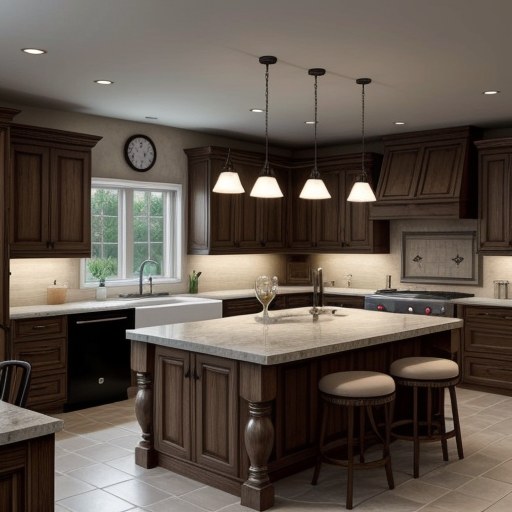
Before diving into numbers, take a moment to clarify your renovation goals. Are you updating your kitchen, adding a bathroom, or enhancing your home's curb appeal? Understanding the scope of your project will help you estimate costs more accurately.
2. Research and Gather Estimates
Research is key in the renovation budgeting process. Gather estimates from contractors and suppliers for materials, labor, and permits. Online resources, local home improvement stores, and discussion forums can provide insights into average costs for specific renovations. By obtaining multiple estimates, you can get a better sense of the market rates and avoid potential overpricing.
3. Factor in Hidden Costs
When creating your renovation budget, don’t forget to account for hidden costs. These can include unexpected structural issues, permitting fees, and design changes. It’s wise to set aside an additional 10-20% of your budget for contingencies to cover any surprises that may arise during the renovation process.
4. Prioritize Your Expenses
Once you have a comprehensive understanding of potential costs, prioritize your expenses. Identify which renovations are essential and which ones can be deferred or scaled back. This will help you allocate your budget where it matters most, ensuring you get the most value out of your investment.
5. Create a Detailed Budget Plan
Draft a detailed budget plan that includes every aspect of your renovation project. Break down costs into categories, such as materials, labor, permits, and design. A clear budget plan will serve as a roadmap throughout the renovation, keeping you focused and organized.
6. Track Expenses Throughout the Process
As the renovation progresses, be diligent in tracking your expenses. Keeping a close eye on spending will help you identify any areas where you may be over budget and allow you to make necessary adjustments in real-time. Use budgeting tools or software to simplify this process.
7. Be Flexible and Adjust as Needed
Lastly, remain flexible throughout the renovation process. If you encounter unexpected costs or delays, don’t hesitate to adjust your budget. Being adaptable will relieve some of the stress associated with the renovation and help ensure a successful outcome.
Conclusion
Creating a budget for your renovation doesn’t have to be overwhelming. By setting clear goals, conducting thorough research, and being mindful of expenses, you can construct a budget that supports your vision while keeping you financially stable. Remember, effective budgeting is crucial for maximizing the value of your renovation and achieving the home of your dreams.