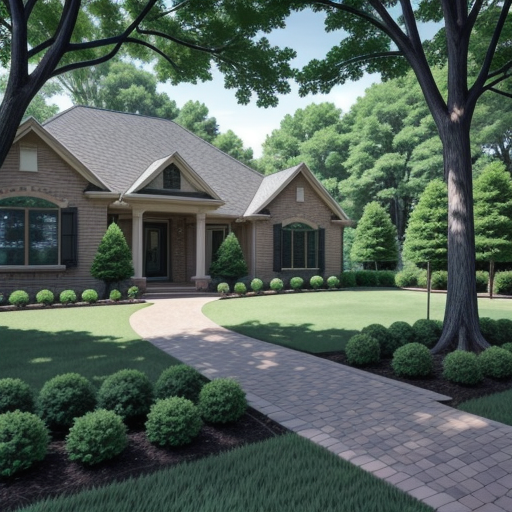
Setting the right price for your home is a critical step in the selling process. An accurate price can attract potential buyers quickly, while an incorrect price may cause your listing to stagnate on the market. In this guide, we will explore effective strategies to help you determine the optimal price for your home, ensuring a successful sale.
First, consider gathering data on comparable properties in your area, often referred to as "comps." These are homes with similar attributes—location, size, age, and condition—that have recently sold. Studying these listings will provide insight into current market trends and give you a benchmark for establishing your home's price.
Next, it's essential to assess the condition of your home compared to the comps. If your property boasts upgraded features, such as modern appliances or recently renovated spaces, you may be able to set a higher price. Conversely, if your home needs repairs or updates, consider pricing it lower to attract buyers looking for a fixer-upper.
Another factor to contemplate is the overall real estate market conditions. Are you in a buyer's market, where inventory is high and buyers have more options? Or is it a seller's market, characterized by fewer homes for sale and increased competition among buyers? Understanding these dynamics can help you make a more informed pricing decision.
Consulting with a real estate professional can also provide valuable insights. An experienced agent can offer an opinion on your home's value based on their knowledge of the local market, and they can help you navigate pricing strategies that align with your selling goals.
Additionally, consider the emotional aspect of pricing your home. Many sellers have a personal attachment to their properties, making it challenging to remain objective. Keep an open mind and base your decisions on factual data rather than emotional ties.
Finally, be prepared to adjust your pricing strategy as necessary. If your home hasn’t garnered interest after a few weeks, it might be time to reassess and consider a price reduction. Staying flexible and responsive to market feedback can significantly impact your sale's success.
By utilizing these strategies, you can set a competitive price for your home that attracts buyers and leads to a successful sale. Remember, the right price is not just about reflecting your home's value, but also about creating a compelling offer in the market.