As the cost of energy continues to rise and environmental concerns become more prominent, improving your home's energy efficiency is more important than ever. Whether you intend to sell your home or simply want to enjoy the benefits of reduced utility bills and a smaller carbon footprint, investing in energy efficiency can provide substantial returns. Here's how you can enhance your home's energy efficiency effectively.
1. Conduct an Energy Audit
Begin by evaluating your current energy usage. A professional energy audit can help identify areas where your home is losing energy. It's a valuable step that provides a roadmap for improvement by highlighting areas such as insulation deficiencies, inefficient appliances, and air leaks.
2. Upgrade Your Insulation
Insulation plays a crucial role in maintaining your home's temperature. Inadequate insulation can lead to significant energy loss. Consider inspecting and upgrading the insulation in your attic, walls, and floors. Energy-efficient windows and doors also help reduce heat transfer.
3. Seal Air Leaks
Sealing air leaks is an often overlooked but highly effective way to improve energy efficiency. Check around windows, doors, and other openings. Weatherstripping and caulking are affordable options that can make a significant difference.
4. Invest in Energy-Efficient Appliances
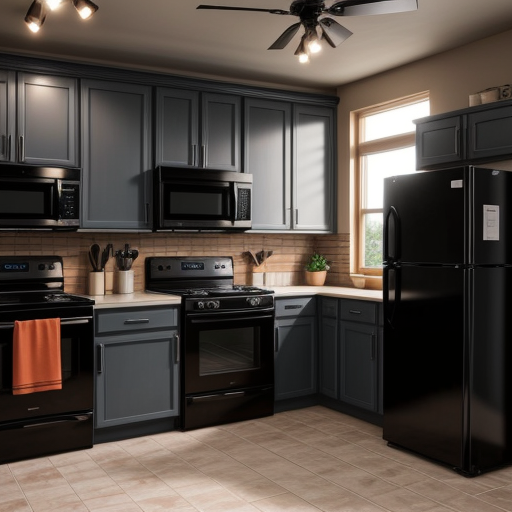
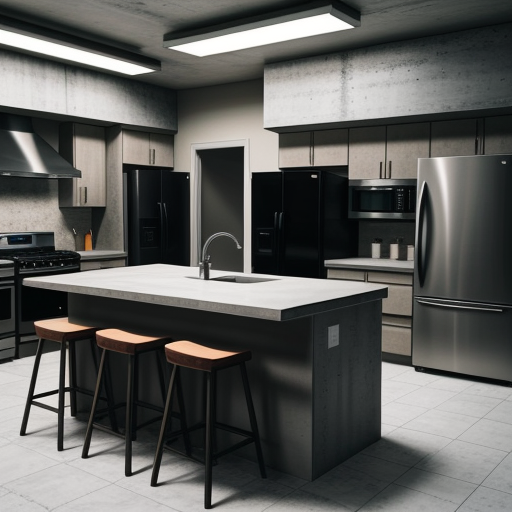
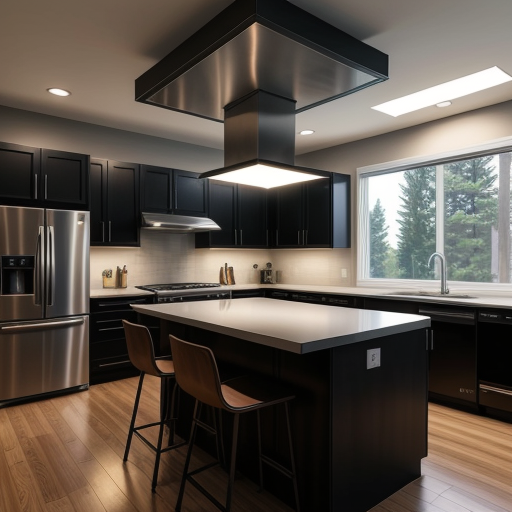
Home appliances account for a large portion of the energy used within a residence. Replacing old appliances with ENERGY STAR-rated models can lower your energy consumption and decrease utility bills.
5. Use Smart Thermostats
Smart thermostats optimize your heating and cooling schedules. They learn your patterns and make adjustments accordingly to maintain comfort while saving energy. Many models also allow for remote control via smartphone apps.
6. Switch to LED Lighting
LED lights consume less energy and have a longer lifespan than traditional incandescent lighting. While initially more expensive, LED bulbs make up the cost difference with energy savings over time.
7. Install Solar Panels
Solar panels harness renewable energy and can drastically reduce your dependence on non-renewable power sources. Although the initial investment is significant, tax incentives and reduced energy bills can make solar panels a worthwhile investment.
8. Implement Water-Saving Fixtures
Low-flow faucets, showerheads, and toilets decrease water usage without sacrificing performance. Reducing water consumption also reduces the energy needed for heating water.
By taking these steps, you can effectively increase your home's energy efficiency, thereby contributing to environmental sustainability and ultimately enhancing your property's value. Improved energy efficiency is not only beneficial for your budget but also a selling point in the real estate market, appealing to eco-conscious buyers looking for reduced long-term costs.