The construction and operation of buildings significantly impact our environment, making it essential for us to adopt sustainable practices. One way to ensure that a building adheres to these practices is through LEED certification. LEED, which stands for Leadership in Energy and Environmental Design, is an internationally recognized green building certification system. In this article, we will explore what LEED certification entails, its benefits, and how it influences the real estate market.
LEED certification is awarded by the U.S. Green Building Council (USGBC) and is based on a set of rigorous standards for design, construction, operation, and maintenance of green buildings. Buildings can earn LEED certification at various levels, including Certified, Silver, Gold, and Platinum, depending on the number of points they accumulate through various sustainability categories, such as sustainable site development, water efficiency, energy and atmosphere, materials and resources, indoor environmental quality, and innovation.
One of the primary benefits of LEED certification is its potential to decrease energy and water consumption. Buildings that meet LEED standards are designed to be energy-efficient and utilize sustainable resources, resulting in lower operational costs over time. This eco-friendly approach can significantly attract environmentally conscious tenants and buyers, making certified buildings highly desirable in today’s market.
Moreover, LEED certification enhances a property’s marketability. In a world where sustainability is becoming increasingly crucial, buildings featuring green certifications like LEED are often more sought after. Owners of LEED-certified properties can command higher rents and have lower vacancies due to the growing demand for sustainable living options.
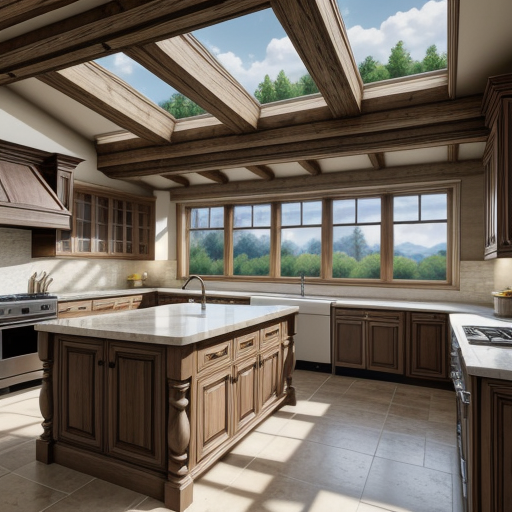
In addition to economic advantages, LEED certification contributes positively to public health and environmental stewardship. Indoor environmental quality is a critical focus of the LEED certification process; thus, buildings undergo rigorous assessments to ensure optimal air quality and natural lighting. By creating healthier living spaces, LEED-certified buildings promote the well-being of their occupants and support broader environmental initiatives.
With various local, state, and federal incentives available for green building initiatives, property developers and investors are often encouraged to pursue LEED certification. Utilizing these incentives not only enhances the overall value of the building but also supports community efforts to decrease carbon footprints and conserve natural resources.
In conclusion, understanding LEED certification is crucial for anyone involved in the real estate market. As sustainability becomes a defining factor in home buying and investment decisions, opting for LEED-certified buildings will likely yield positive returns, making them a smart choice for buyers and developers alike. As we advance towards a greener future, LEED certification remains a valuable tool in fostering sustainable development for generations to come.