In today's environmentally conscious world, increasing your home's energy efficiency is not just beneficial for the planet, but also for your wallet. With a few thoughtful upgrades and behavioral changes, homeowners can significantly cut down on energy usage, reduce utility costs, and enhance property value. Here are key strategies to make your home more energy-efficient.
1. Conduct an Energy Audit The first step in increasing your home’s energy efficiency is conducting a comprehensive energy audit. This evaluation will identify areas where your home is losing energy and recommend improvements. Professional audits provide detailed insights, but there are also DIY options available, such as using a thermal leak detector.
2. Upgrade Insulation Proper insulation plays a crucial role in maintaining your home’s temperature. Improving insulation in your attic, walls, and floors can prevent heat loss in winter and keep your home cooler in summer. Consider using materials with high R-values, which measure thermal resistance.
3. Seal Gaps and Cracks Small gaps around windows, doors, and other openings can lead to significant energy loss. Use caulking and weatherstripping to seal these gaps. For larger openings, expanding foam can be used to fill spaces around pipes and vents.
4. Install Energy-Efficient Windows Windows are a significant source of heat loss. Double or triple-glazed windows with low U-values are designed to prevent heat transfer, enhancing energy efficiency. Adding window films or thermal curtains can also help.
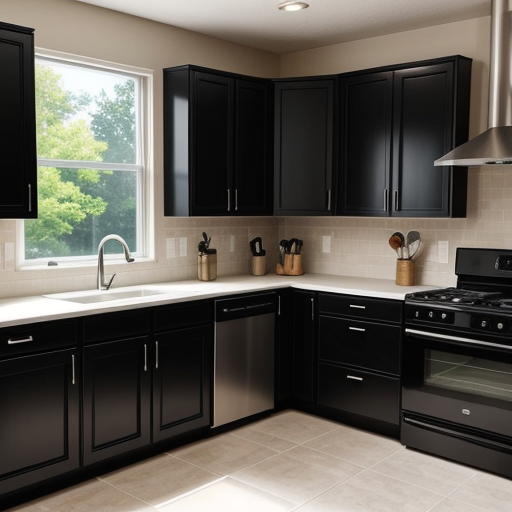
5. Upgrade to Energy-Efficient Appliances Home appliances consume a substantial amount of energy. Replacing older appliances with Energy Star-rated models can reduce energy usage. Focus on upgrading the refrigerator, washing machine, and dishwasher, as these are among the biggest energy consumers.
6. Use Smart Home Technologies Smart thermostats, lighting systems, and power strips can help you optimize energy usage. These technologies allow for automatic adjustments and remote control, ensuring energy is used efficiently only when needed.
7. Consider Renewable Energy Sources Installing solar panels can greatly reduce your dependency on traditional energy sources and lower your electricity bills. Although the initial investment can be high, there are often incentives and tax credits available to offset the costs.
8. Practice Energy-Conscious Habits Finally, adopting energy-conscious habits can make a difference. Simple actions like turning off lights when leaving a room, unplugging electronics not in use, and running appliances during off-peak hours can substantially reduce energy consumption.
By implementing these strategies, you can effectively enhance your home’s energy efficiency, benefitting both your finances and the environment.