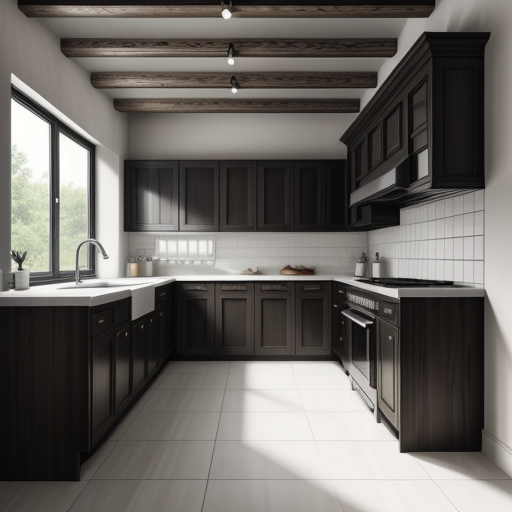
In today's environmentally conscious world, homeowners are increasingly looking to enhance their homes' energy efficiency. Not only does improving energy efficiency reduce your carbon footprint, but it can also lead to significant savings on energy bills. Here’s how you can increase your home’s energy efficiency effectively and affordably.
1. Conduct an Energy Audit
Before making improvements, consider having a professional energy audit performed. This assessment will highlight areas in your home that are energy inefficient and suggest specific upgrades. Alternatively, you can perform a DIY energy audit by looking for drafts, inspecting insulation, and checking your heating and cooling systems.
2. Seal Drafts and Insulate
Drafty windows and doors can be major culprits of energy loss. Use weatherstripping or caulk to seal gaps. Adding insulation to your attic, walls, and floors can also significantly improve your home’s energy efficiency by keeping heated or cooled air inside where it belongs.
3. Upgrade to Energy-Efficient Windows
If your budget allows, consider replacing old windows with energy-efficient models. Look for windows with double or triple glazing, low-E coatings, and energy certification. While this is an investment, the long-term savings on your heating and cooling costs can be substantial.
4. Optimize Your HVAC System
Regular maintenance of your heating, ventilation, and air conditioning system is essential. Replace air filters monthly to keep your system running efficiently. You might also consider upgrading to a high-efficiency HVAC unit that uses significantly less energy.
5. Switch to Energy-Efficient Appliances
When it’s time to replace appliances, opting for Energy Star certified products can lead to reduced energy consumption. These products meet strict efficiency guidelines, helping you save money and decrease your environmental impact.
6. Use Smart Technology
Smart home devices, such as programmable thermostats, allow homeowners to better control energy consumption. For instance, you can set your thermostat to lower the temperature automatically while you’re at work or during the night, ensuring you’re not wasting energy while you’re not at home.
7. Install Solar Panels
If feasible, solar panels can significantly enhance your home’s energy efficiency. By harnessing renewable energy from the sun, homeowners can not only reduce their reliance on grid electricity but also potentially earn tax credits and rebates for going solar.
8. Make the Most of Natural Light
Maximizing natural light can reduce the need for artificial lighting during the day. Rearranging furniture or using lighter paint colors can help brighten your home without adding to your energy bill.
Conclusion
Improving your home’s energy efficiency is a wise investment that can lead to reduced utility costs and enhanced comfort. By implementing these strategies, you'll not only contribute to a more sustainable environment but also create a more enjoyable living space. Start small, and continue to upgrade your home over time, turning it into an energy-efficient haven.