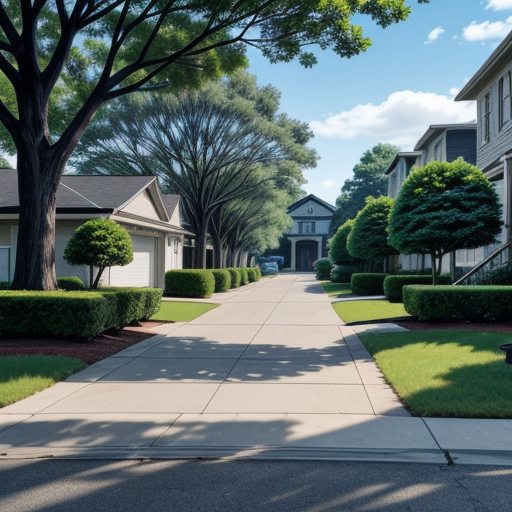
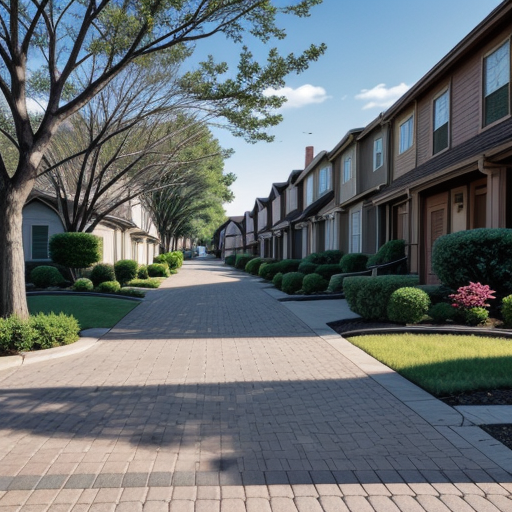
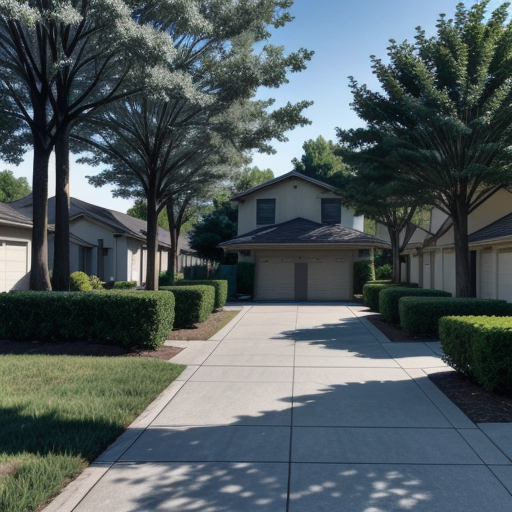
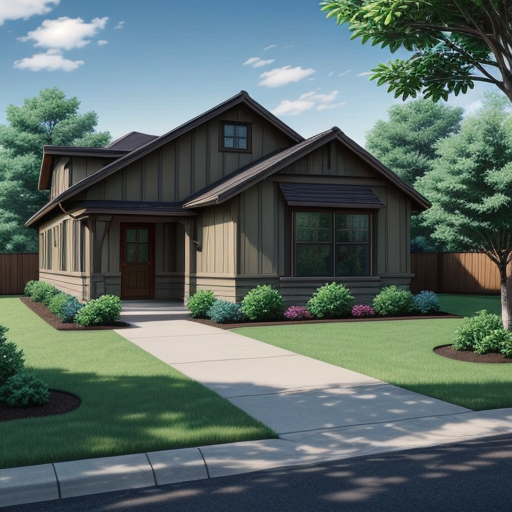
When it comes to the real estate market, one of the biggest factors affecting home values is new developments. Understanding how these new projects impact the housing landscape is crucial for both buyers and sellers. This article delves into the various effects of new developments on home values, providing insights that can help you make more informed decisions in your real estate journey.
New amenities and infrastructure often accompany new developments, enhancing the overall attractiveness of an area. When developers introduce high-quality facilities like parks, schools, shopping centers, and transportation hubs, they create environments that appeal to prospective homeowners. These improved amenities can lead to a rise in property values as the area becomes more desirable.
Another significant impact of new developments is the increase in housing supply. While this may seem like it would lower home values due to higher supply, it typically doesn't work that way. Instead, the introduction of modern, often more expensive properties can elevate the overall standard of living, thereby increasing demand and eventually pushing home prices higher in the surrounding areas. However, the effect on home values can vary depending on the balance between supply and demand.
Gentrification is another concept closely tied to new developments. As older neighborhoods undergo redevelopment, they attract more affluent buyers, which in turn drives up home values. Long-time residents might see their property values rise, providing an opportunity to capitalize on their investments. However, it's essential to consider potential downsides, such as the displacement of lower-income residents.
Zoning changes can also play a crucial role in the impact of new developments on home values. Alterations in zoning laws can allow for higher-density housing projects, mixed-use buildings, or commercial establishments, transforming the character of a neighborhood. These changes can lead to increased property values, but they also might introduce challenges like increased traffic or changes in neighborhood cohesion.
In conclusion, new developments wield considerable influence over home values, bringing a mix of opportunities and challenges. As a homebuyer or seller, staying informed about these factors can help you navigate the ever-evolving real estate market more effectively. Whether it's new amenities, increased housing supply, gentrification, or zoning changes, understanding these elements can empower you to make better decisions that align with your real estate goals.