Making a small space feel larger is a common objective for homeowners and renters alike. Whether you are living in a cozy apartment or a tiny home, the right techniques can transform your living environment, making it feel more open and inviting. Here are several effective strategies to enlarge the visual perception of your small area.
1. Use Light Colors
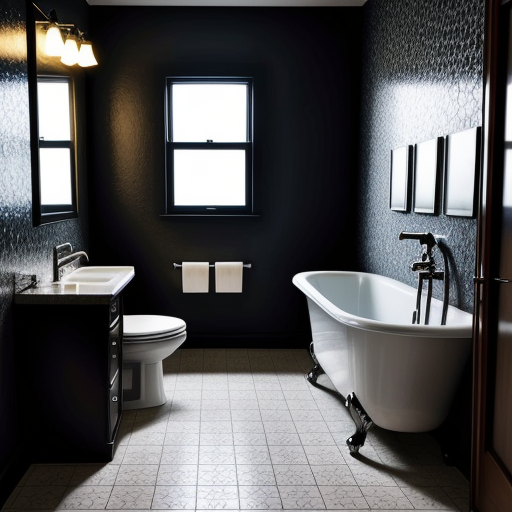
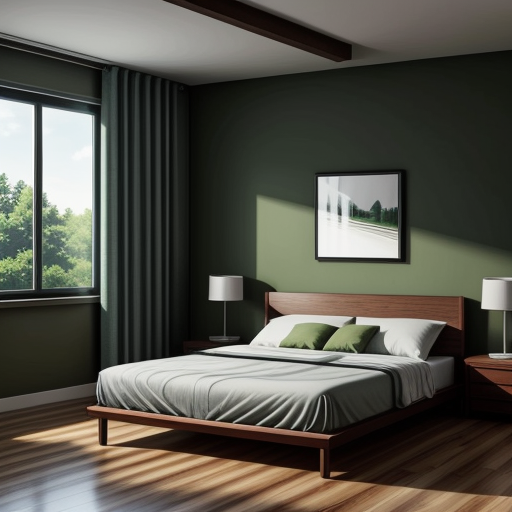
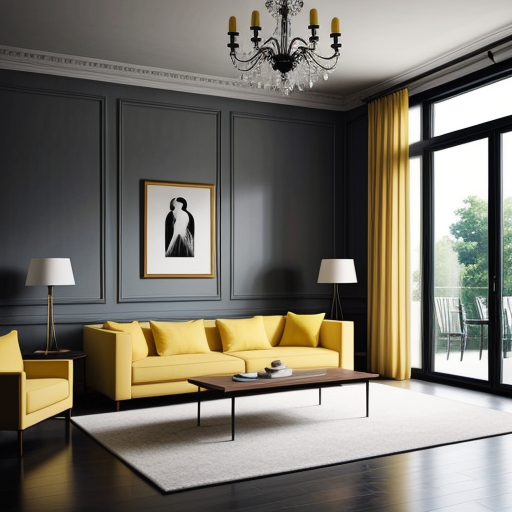
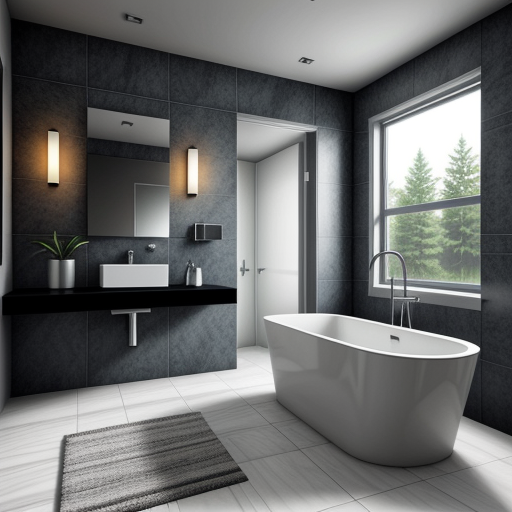
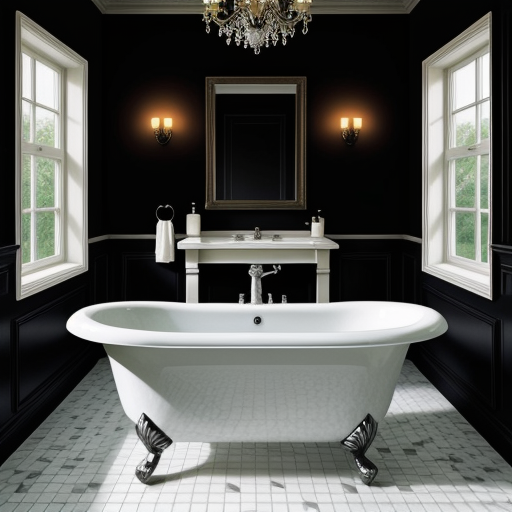
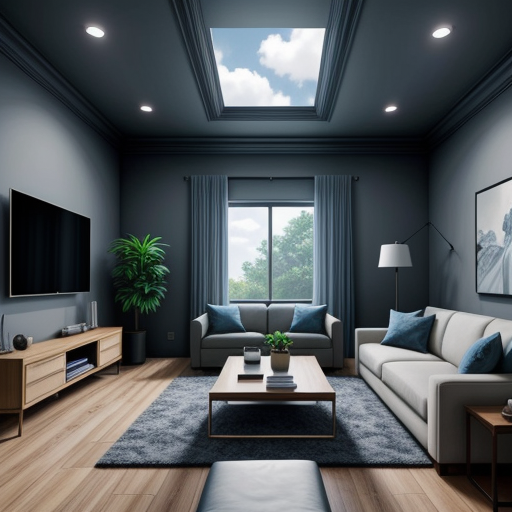
Opting for light and neutral color palettes can significantly impact how spacious a room feels. Light tones such as whites, creams, and soft pastels reflect natural light, creating an airy atmosphere. Dark colors, on the other hand, can absorb light and make a space seem more confined. Consider painting walls, ceilings, and even flooring in lighter shades to enhance the sense of openness.
2. Incorporate Mirrors
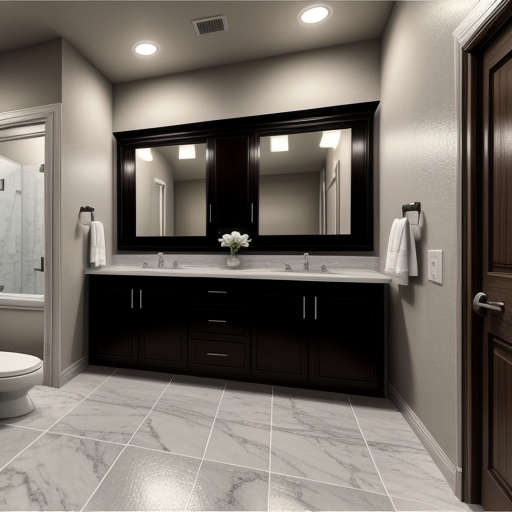
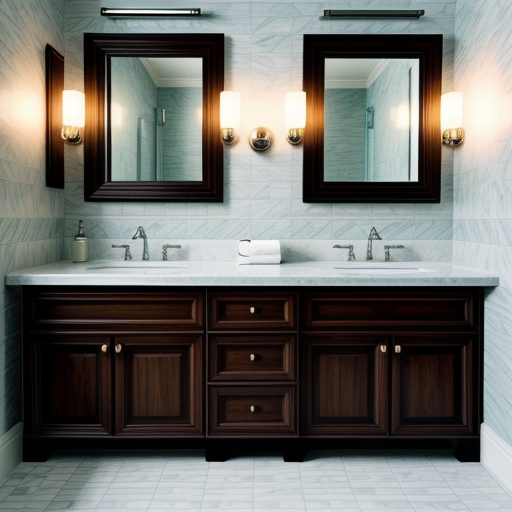
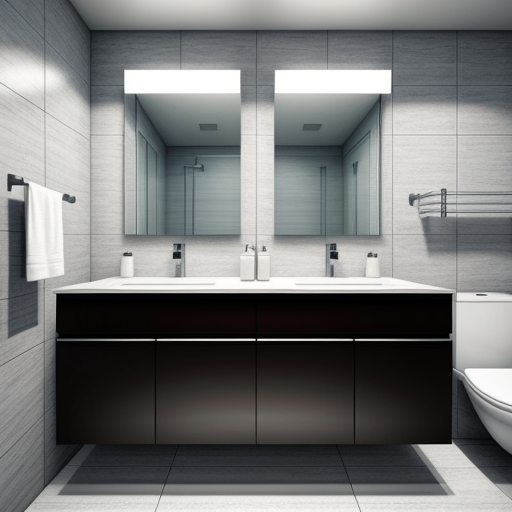
Mirrors are one of the most effective tools to create an illusion of space. By strategically placing mirrors on walls or using mirrored furniture, you can reflect light and create depth, which tricks the eye into perceiving a larger area. Additionally, consider using a statement mirror as a focal point, allowing it to function as both décor and an optical enhancer.
3. Maximize Natural Light
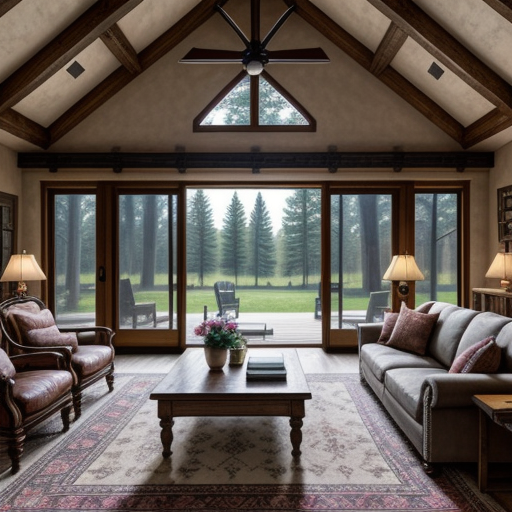
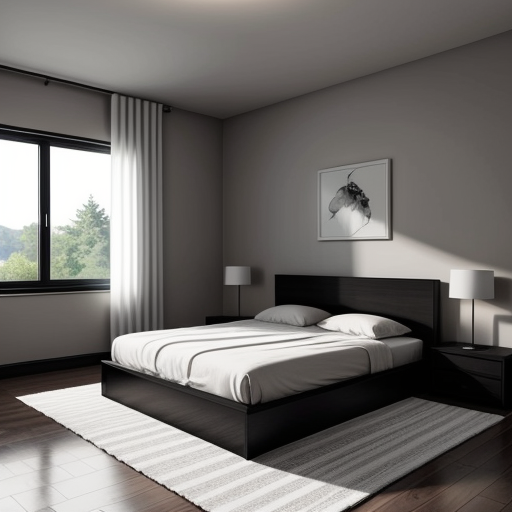
Natural light can do wonders for small spaces. Ensure that windows are unobstructed by heavy drapes; instead, use sheer curtains that allow sunlight to filter through. If privacy is a concern, consider window film or light-filtering shades. Well-lit spaces feel more open and inviting, so always try to maximize available light.
4. Choose Multi-Functional Furniture
In small areas, furniture plays a crucial role in maintaining functionality while saving space. Opt for multi-functional pieces, such as a sofa bed or an ottoman with storage space. This not only reduces clutter but also enhances the usability of your home. Folding furniture can also be beneficial, allowing you to create space when needed.
5. Keep the Design Simple
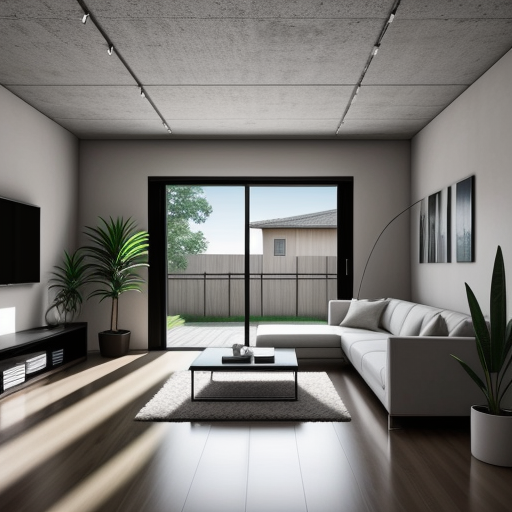
The decor should be kept minimal to avoid overwhelming a small area. Select a few key pieces of art or decor rather than overcrowding the walls with multiple items. A cluttered space may feel cramped, while a simple design promotes a clean and spacious look.
6. Use Vertical Space Wisely
In small rooms, maximizing vertical space can draw the eye upwards, creating an illusion of height. Consider tall bookshelves, hanging plants, or vertical storage solutions to divert attention away from the floor. Utilizing wall-mounted shelving or cabinets can free up valuable floor space, making the room feel larger.
7. Create Defined Areas
Defining space through rugs or furniture arrangements can effectively organize a small area without needing walls. Designate specific zones for different activities, such as a reading nook or a workspace, which can make the area feel more functional and spacious.
Conclusion
Transforming a small space into a feeling of openness requires a strategic approach to color, light, furniture selection, and décor. By implementing these techniques, you can enhance the ambiance of your home, making it more enjoyable and visually appealing. Remember, a well-designed small space can be just as functional and welcoming as a larger one.