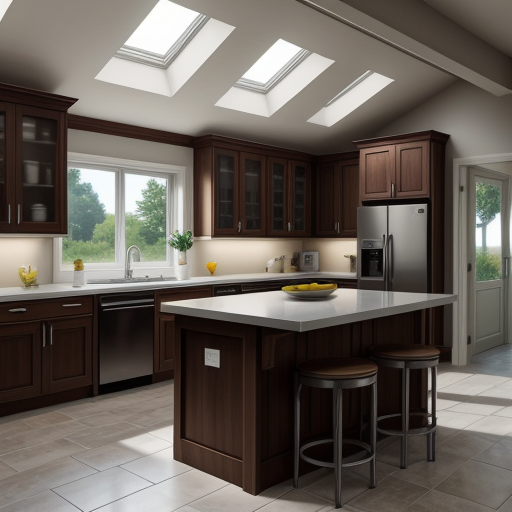
Undertaking a home renovation can be an exciting yet daunting task. One of the most critical steps in planning your project is creating a solid budget. A well-structured budget not only helps you manage your expenses but also prevents you from overspending and ensures that your renovation project stays on track. Here’s how to create a comprehensive budget for your renovation.
1. Define the Scope of Your Renovation
Before diving into budgeting, it's essential to outline the specifics of your renovation. Are you remodeling your kitchen, adding a bathroom, or perhaps finishing a basement? Each of these projects has different costs associated with it. Make a list of the areas you want to renovate and any necessary specifications or features.
2. Research Costs
Once you have a clear idea of your renovation scope, research the costs associated with each aspect of the project. This includes materials, labor, permits, and inspection fees. Websites like HomeAdvisor or Angie's List can provide insights into average costs in your area. Don’t forget to consider potential hidden costs that could arise during the renovation process.
3. Set a Realistic Budget
After gathering data on costs, it’s time to set a realistic budget. Analyze your financial situation and determine how much you can afford to invest in the renovation without straining your finances. A good rule of thumb is to allocate 10-20% of your overall budget for unforeseen expenses that may arise during the project.
4. Prioritize Your Wants and Needs
It’s easy to get carried away with all the possibilities a renovation project brings. Prioritize your needs over wants to ensure that your essential requirements are met. Once your must-haves are accounted for, you can then decide which upgrades and luxury items could fit within your remaining budget.
5. Create a Detailed Budget Breakdown
Create a detailed budget breakdown that organizes costs into distinct categories. These might include materials, labor, permits, design fees, and any extras. Having a clear breakdown will help you keep track of your expenses as the project progresses and allow you to make informed financial decisions if costs start to exceed your initial estimates.
6. Stay Flexible
While it’s important to stick to your budget, sometimes flexibility is necessary. Unforeseen issues may arise once renovation work begins, such as structural problems or code compliance issues. Being open to adjusting your budget will help you manage any surprises without derailing your renovation project.
7. Monitor Your Spending
Finally, actively monitor your spending throughout the renovation process. Keep receipts and track payments to contractors and suppliers. Regularly update your budget to reflect actual expenses versus estimates. This practice will help you stay organized and accountable, ensuring your project remains within budget.
By following these steps, you can create a budget that not only supports your renovation goals but also provides peace of mind throughout the process. A thoughtful and well-planned budget will set the foundation for a successful renovation, allowing you to enjoy your newly enhanced home without the stress of financial burden.