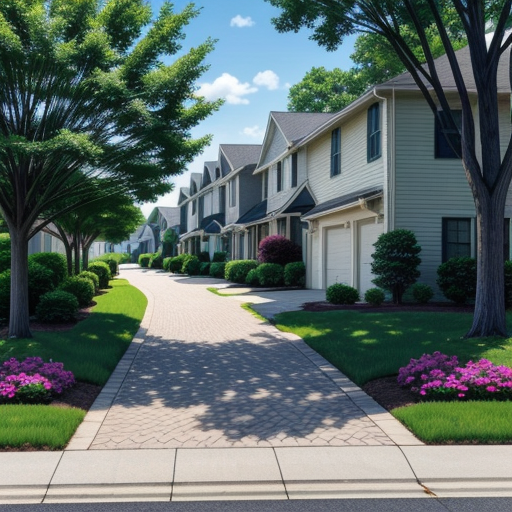
In recent years, the concept of investing in a second home has gained traction among buyers looking to diversify their portfolios or enjoy a vacation getaway. However, before making such a significant financial decision, it is crucial to assess whether purchasing a second home is indeed a smart investment choice.
One of the primary motivations for buying a second home is the potential for rental income. If you purchase the property in a desirable location, particularly in a vacation hotspot, you may be able to rent it out when you’re not using it. This could offset your mortgage payments and other associated costs, making it a viable investment option. Some buyers opt for short-term vacation rentals through platforms like Airbnb, capitalizing on high demand during peak tourist seasons.
Another consideration is the appreciation in property value over time. Real estate tends to appreciate in value, particularly in well-selected areas. Investing in a second home could provide a significant return on investment when you decide to sell in the future. However, it’s essential to conduct thorough market research and choose a location with strong growth potential to maximize this benefit.
On the flip side, there are several drawbacks associated with owning a second home. Maintenance, property taxes, and insurance costs can add up quickly. Additionally, the real estate market can be unpredictable; there's always the risk that your property may not appreciate as expected or even decrease in value. It's essential to calculate these potential risks and weigh them against the possible rewards.
Financing a second home is another crucial aspect to consider. Lenders typically have stricter requirements for second home purchases compared to primary residences. This means a larger down payment and potentially higher interest rates. Ensuring you understand these financing nuances will help you prepare for the financial commitment involved.
Finally, reflect on your personal lifestyle and goals. If you plan to use the property regularly for family vacations or as a retirement retreat, the emotional value of the home can also be an intangible benefit that contributes to its worth.
In conclusion, buying a second home can be a good investment under the right circumstances. By carefully analyzing rental income potential, market conditions, ongoing costs, and your personal intentions, you can make an informed decision that aligns with your financial goals. Understanding both the opportunities and risks associated with a second home will serve you well as you navigate this significant investment in your future.