Understanding the real estate market requires a deep dive into the myriad factors that affect property prices. Whether you're a first-time homebuyer or a seasoned investor, knowing what drives real estate costs can equip you to make informed decisions. Here are ten crucial elements that significantly impact real estate prices.
-
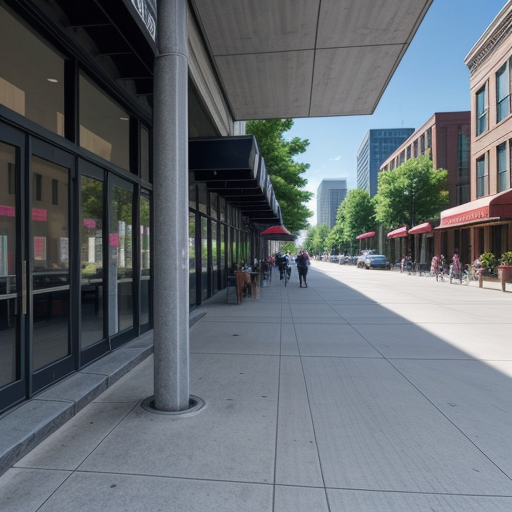
Location: The adage 'location, location, location' holds true for real estate. Properties in desirable neighborhoods or close to amenities like schools, shopping centers, and transportation hubs tend to command higher prices.
-
Economic Conditions: The overall economic health, including employment rates, inflation, and GDP growth, directly affects buyer confidence and the housing market. A strong economy often leads to increased demand and higher real estate prices.
-
Interest Rates: Mortgage interest rates influence buyers' purchasing power. Lower rates make borrowing cheaper, boosting demand for housing, while higher rates tend to dampen demand and suppress prices.
-
Supply and Demand: The balance between the number of homes available and the number of potential buyers drives price fluctuations. High demand with limited supply results in price increases, whereas a market with excess supply may see price reductions.
-
Government Policies: Policies such as tax incentives for homebuyers, subsidies, or zoning laws can profoundly impact property prices. These legislative measures can either encourage or dissuade property transactions.
-
Demographics: Population growth, age distribution, and migration patterns influence housing demand. For instance, an influx of young professionals or retirees can sway market trends in specific areas.
-
Infrastructure Development: New infrastructure projects like highways, schools, and hospitals can significantly enhance property values in surrounding areas by making them more accessible and livable.
-
Market Trends: Changes in buyer preferences, such as demand for smart homes or energy-efficient properties, can affect prices. Staying updated with these trends is crucial for gauging potential shifts in market dynamics.
-
Natural Disasters: Areas prone to natural disasters like floods or earthquakes may see volatile real estate prices due to increased insurance costs and risk aversion by potential buyers.
-
Political Stability: Political stability and low crime rates foster a secure investment environment, often leading to steadier property values and increased buyer interest.
These factors intertwine to create the intricate tapestry of the real estate market. By understanding them, both buyers and sellers can better anticipate changes and make strategic decisions in their real estate endeavors.