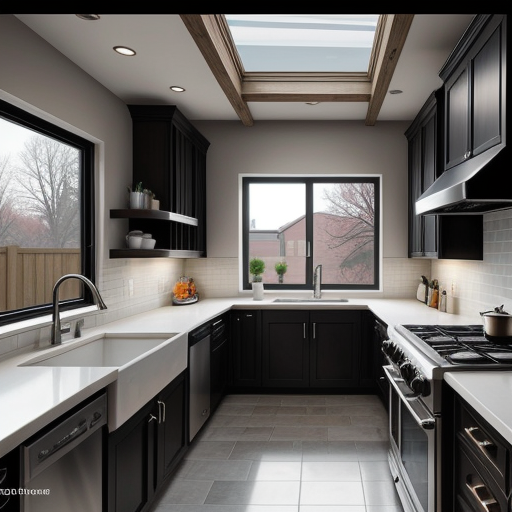
Successfully managing a home renovation requires more than just a creative vision; it necessitates a well-crafted budget. Establishing a budget is essential to ensure you remain financially prepared and avoid any unexpected financial burdens. Here’s a step-by-step guide to help you create a comprehensive budget for your home renovation.
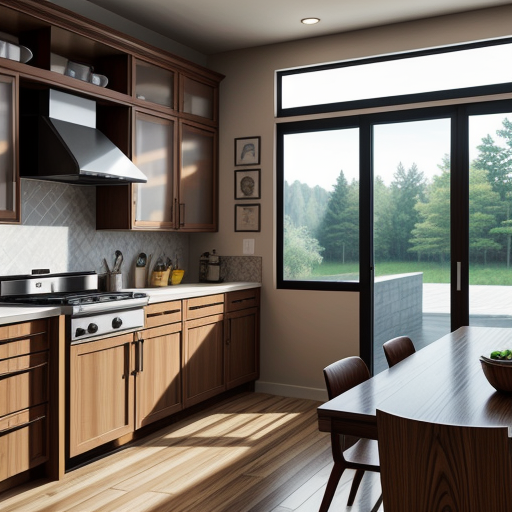
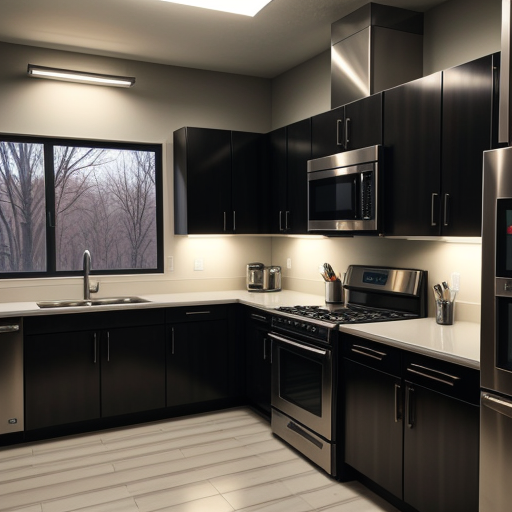
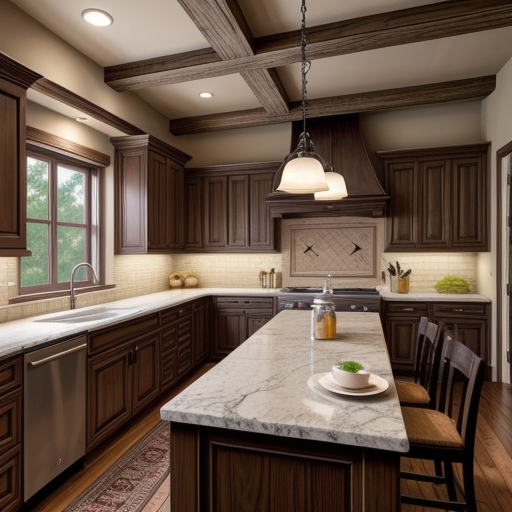
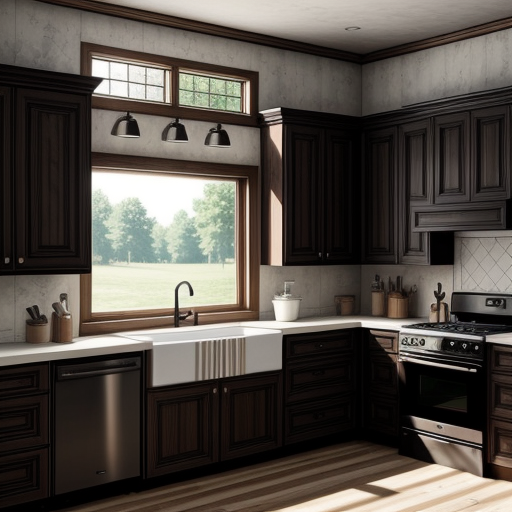
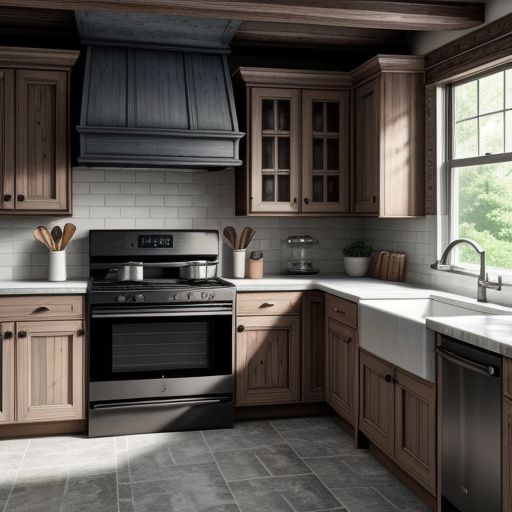
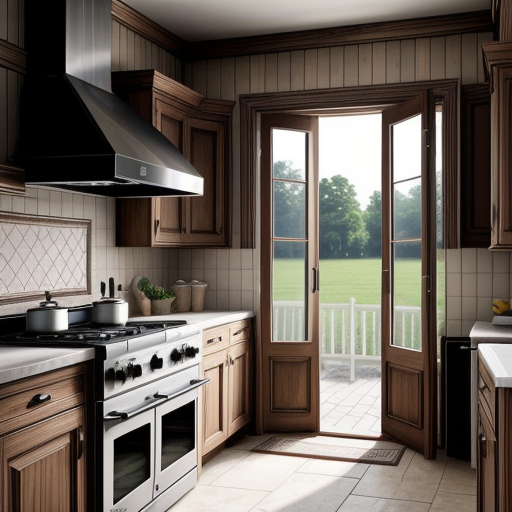
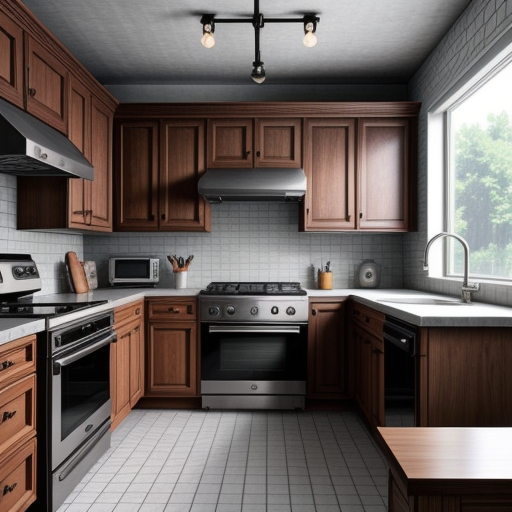
1. Define Your Renovation Goals Your first step should be to determine what you aim to achieve with your renovation. Are you updating your kitchen to modernize the aesthetics, or do you want to transform your attic into a new living space? Clearly defining your renovation goals will help you outline the scope of work and the specific elements you need to budget for.
2. Research Costs and Obtain Estimates Once your goals are set, start researching the potential costs involved. This includes materials, labor, permits, and any additional expenses such as temporary housing if accommodations are disrupted. Obtain estimates from multiple contractors to ensure a competitive price. Remember to consider both quality and affordability when making your choice.
3. Prioritize Expenses Not all elements of your renovation may be essential. Prioritize your spending on critical factors that will add the most value or satisfy your needs first. This decision-making process helps manage costs and ensures that the most important aspects of your renovation are prioritized.
4. Create a Detailed Budget Plan With your priorities in place, outline a detailed budget plan, breaking down costs for each aspect of the renovation. It’s beneficial to categorize expenses into fixed costs and variable costs, noting any potential fluctuations in materials or labor prices.
5. Plan for Contingencies Unanticipated expenses can occur, such as hidden damages discovered during renovation or rising material costs. Allocate at least 10-20% of your overall budget as a contingency fund to absorb these unexpected costs without derailing your project.
6. Monitor and Adjust As your renovation progresses, continuously monitor your spending against your budget. If adjustments are necessary, revisit your expense priorities to minimize overruns. Staying proactive can prevent you from exceeding your financial plan.
In conclusion, creating a budget for your home renovation is a crucial step in ensuring the project's success. By setting clear goals, obtaining accurate estimates, prioritizing expenses, and planning for contingencies, you can execute your renovation without financial stress. Maintaining strict oversight of your budget allows you to adjust and adapt to any changes efficiently.