When buying a home, it's crucial to consider not only its immediate appeal but also its potential resale value. A property with healthy resale prospects can be a solid investment, providing financial security and flexibility. To aid prospective buyers, here are some pivotal factors to evaluate.
1. Location, Location, Location: The adage holds true; location significantly impacts a home's resale value. Properties in reputable school districts, close to amenities like parks, shopping centers, and public transportation, tend to have higher demand. Consider the neighborhood's development trajectory and whether it is on an upward or downward trend.
2. Condition and Age: A home's age and condition play a critical role in its potential resale value. While older homes may come with charming architectural details, they might require more maintenance and updates, potentially impacting resale value. In contrast, newer homes with modern systems and features may present less risk of costly repairs.
3. Market Trends: Understanding current market trends can provide insight into a home's future resale potential. Research both national and local real estate trends, including average selling prices and the overall market's health. Be mindful of economic factors, such as interest rates and employment rates, which can influence the housing market.
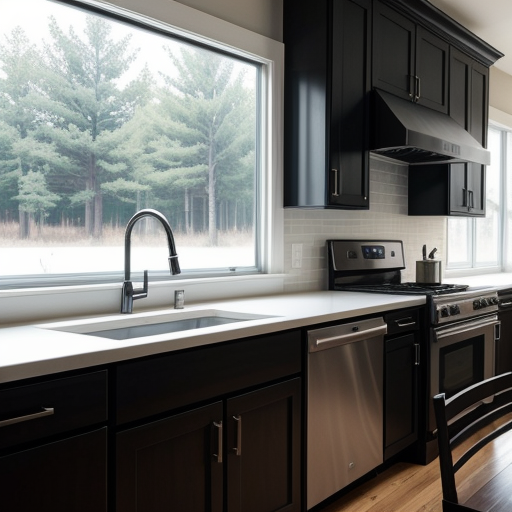
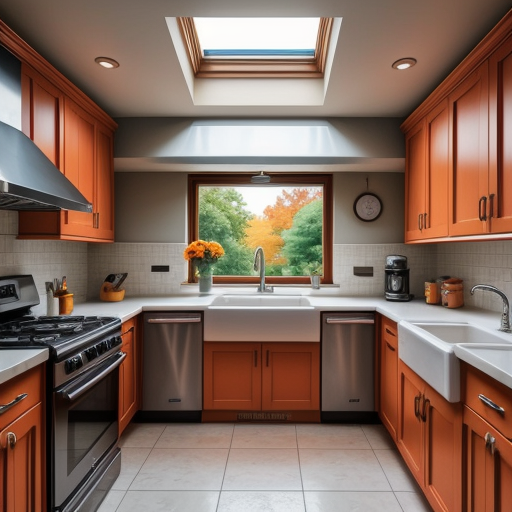
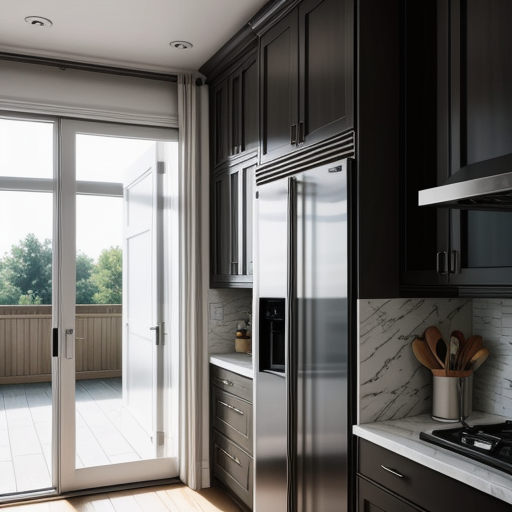
4. Property Features: Certain features can enhance a home's resale value. Desirable elements include updated kitchens and bathrooms, energy-efficient appliances, ample storage, and outdoor living spaces. Homes with flexible spaces, such as basements or bonus rooms that can be tailored to different needs, can also increase appeal.
5. Comparable Sales: Reviewing comparable sales, or "comps," of recently sold homes in the area can provide a benchmark for evaluating a prospective home’s resale value. Look for homes similar in size, age, and features, and take note of how long they stayed on the market.
6. Potential for Upgrades: Homes with room for improvements can offer resale potential, particularly if upgrades are feasible within budgetary constraints. Engaging in strategic renovations can enhance a property's marketability, provided they align with buyer preferences in your area.
7. Economic Indicators: Keep an eye on broader economic indicators that may influence housing markets, such as interest rates and employment trends. Understanding these variables can provide context about market demand and home prices in the coming years.
In summary, evaluating a home's resale value requires a blend of research and foresight. By considering location, current market trends, property condition, and investment potential, buyers can make informed decisions that support future financial goals.