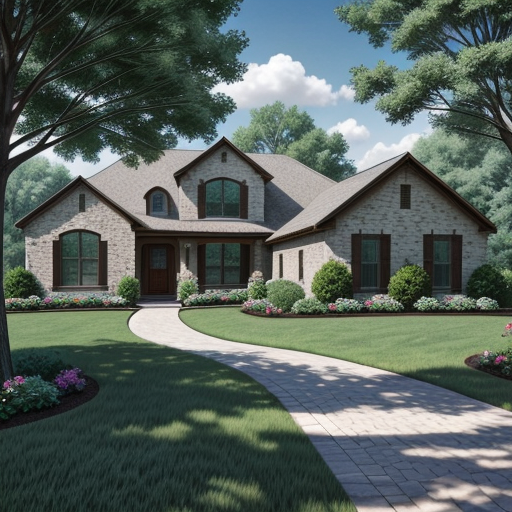
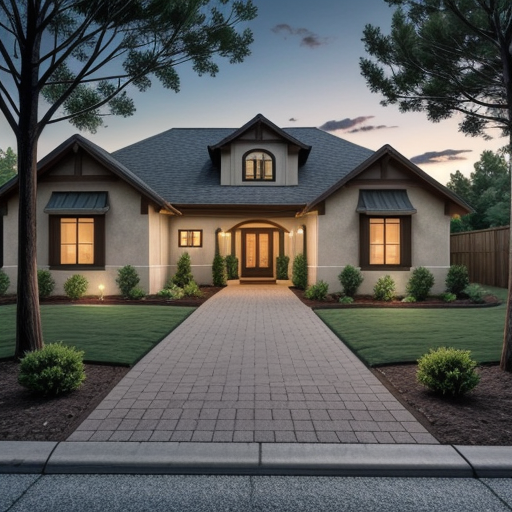
Purchasing a home is one of the most significant investments you'll make, and understanding your home’s insurance needs is crucial to protect this invaluable asset. Home insurance, also known as homeowner’s insurance, is designed to cover losses and damages to your residence and its assets, providing necessary financial support in the event of unforeseen circumstances.
The first step in understanding your home’s insurance needs is recognizing the different types of coverage available. A standard home insurance policy typically includes dwelling coverage, personal property coverage, liability protection, and additional living expenses (ALE) coverage. Dwelling coverage protects the structure of your home, while personal property coverage insures the contents within it. Liability protection is essential for those unforeseen incidents where you may be legally responsible for someone else's injuries or property damage. ALE coverage assists with the cost of temporary housing if your home is uninhabitable due to a covered event.
When determining the right amount of coverage, consider the replacement cost of your home. Ensure the dwelling coverage reflects how much it would cost to rebuild your home in today’s marketplace. Avoid basing this amount solely on the purchase price or current market value, as these figures can fluctuate due to real estate trends that do not necessarily align with reconstruction costs.
Assessing your personal belongings is another vital aspect of tailoring your insurance policy. Creating a home inventory can help you decide the right level of personal property coverage needed. This list should include everything from furniture and electronics to clothing and jewelry, along with any receipts, appraisals, or photographs to substantiate their value.
Consider additional endorsements or riders for unique circumstances. These can offer supplemental coverage for valuables like jewelry, fine art, or other high-value items not fully covered under standard personal property protection. If you reside in an area prone to natural disasters such as floods or earthquakes, acquiring specialized policies or add-ons for these events is advisable, as they are typically excluded from a standard policy.
To ensure continuous and adequate protection, review and update your policy annually. This review should consider any major upgrades or renovations done to the property, as well as increased value of belongings.
Working with a knowledgeable insurance agent can provide further assurance that you've thoroughly assessed your home's insurance needs and chosen a policy that offers comprehensive and appropriate coverage. A tailored and well-defined home insurance plan can provide peace of mind, knowing your investment is secured against potential risks.