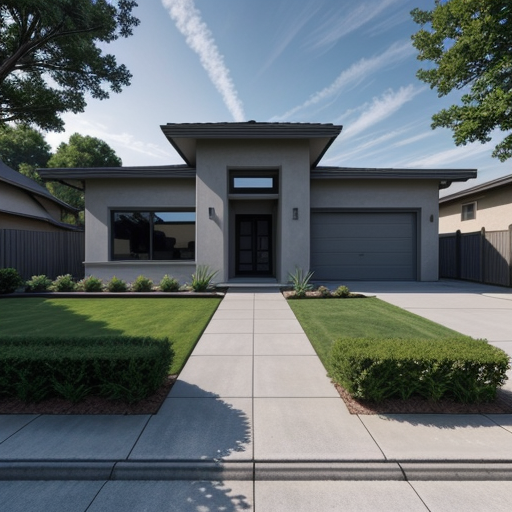
Investing in a vacation property can be an exciting venture, offering the promise of personal enjoyment and potential rental income. However, before you embark on this journey, it’s essential to understand the various financing options available for purchasing a vacation home. This article outlines the most common strategies to help you make an informed decision.
1. Traditional Mortgages
Traditional mortgages are perhaps the most straightforward options for financing a vacation property. These loans typically require a down payment of 20% or more, much like a primary residence, but the interest rates may be slightly higher. Lenders may scrutinize your credit score and financial stability more closely, given that a vacation home is considered a luxury purchase.
2. Home Equity Loans
If you already own a home and have built up equity, a home equity loan or line of credit can serve as an excellent option for financing your vacation property. This method allows you to borrow against the equity of your existing home, often at lower interest rates compared to traditional loans. However, it’s essential to consider the risk of putting your primary residence on the line.
3. Cash Purchases
If you have the financial means, purchasing a vacation home outright with cash can eliminate the need for a mortgage altogether. This route not only simplifies the buying process by avoiding interest payments and closing costs, but it also provides you with a more competitive edge in negotiations.
4. Government-Backed Loans
In some cases, buyers may qualify for government-backed loans such as VA loans or FHA loans. However, it’s essential to note that these loan programs may have specific restrictions when it comes to vacation or second homes. Before you consider this option, it’s crucial to consult with a mortgage professional who can clarify these terms for you.
5. Short-Term Financing Solutions
If you’re looking to purchase a vacation property but aren’t ready for a long commitment, short-term financing options such as bridge loans may be worth exploring. These loans can help you secure the funds needed for a short period, allowing you time to sell your primary residence or secure more permanent financing.
6. Investment Property Loans
If the intent behind the purchase is primarily for rental income rather than personal use, you may consider investment property loans. These loans typically have a higher interest rate and require a larger down payment (often around 25%). However, they are designed specifically for properties that are not owner-occupied and can be ideal if you plan to rent out your vacation home.
In conclusion, the financing options for vacation properties are diverse, and choosing the right one hinges on your financial situation and long-term goals. Whether you’re looking for a home away from home or an investment opportunity, it is crucial to assess all available options carefully and consult with financial experts to ensure a sound investment. By doing so, you can enjoy the benefits of owning a vacation property while navigating the complexities of financing with ease.