Understanding the various factors that influence real estate prices is crucial for both buyers and sellers navigating the property market. Numerous elements can cause fluctuations in property values, often making it a complex landscape for prospective homeowners or real estate investors. Here's an in-depth look at ten essential factors that significantly impact real estate prices.
-
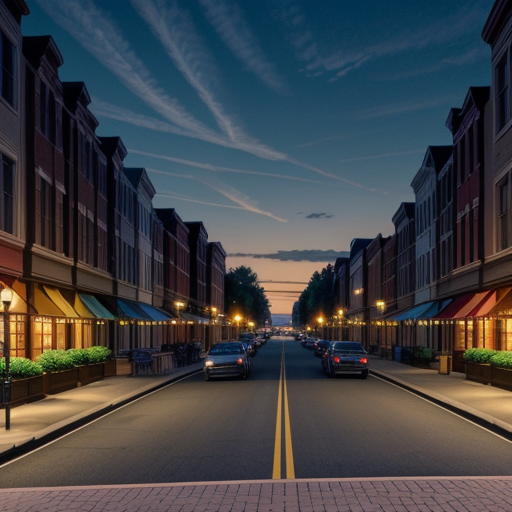
Location: One of the timeless adages in real estate is "location, location, location." Properties situated in areas with excellent amenities, robust infrastructure, and desirable neighborhoods typically command higher prices. The proximity to schools, parks, shopping centers, and transit options also plays a significant role in determining a property's value.
-
Economic Conditions: The overall economic climate, both nationally and locally, can affect real estate prices. Factors such as employment rates, GDP growth, and economic stability can influence buyers' confidence and purchasing power, ultimately impacting property values.
-
Interest Rates: Mortgage interest rates have a direct impact on housing affordability. Lower interest rates mean cheaper borrowing costs for potential buyers, which can spur demand and drive up property prices. Conversely, higher rates can deter buyers, potentially leading to a drop in prices.
-
Supply and Demand: The basic economic principle of supply and demand greatly affects real estate prices. When demand outpaces supply, property prices tend to rise. Conversely, a surplus of properties with fewer buyers can cause prices to fall.
-
Population Growth: Areas experiencing significant population growth often see increased demand for housing, leading to higher property prices. New housing developments and urbanization in response to a growing population can also contribute to rising real estate values.
-
Government Policies: Policies such as tax incentives, subsidies, and zoning laws can influence the real estate market. Government initiatives that encourage home buying or incentivize real estate development can impact property prices indirectly.
-
Infrastructure Development: New infrastructure projects, such as roads, bridges, and public transit, can significantly boost the desirability and value of nearby properties. Such developments generally improve accessibility and enhance the quality of life for the area’s residents.
-
Local Real Estate Market Trends: Understanding specific market trends within a locality can offer insights into future property values. Regions experiencing gentrification or redevelopment might see significant boosts in real estate prices over time.
-
Environmental Factors: Climate conditions, risk of natural disasters, and proximity to natural features such as beaches, mountains, or reserves can affect property demand and pricing. In areas prone to flooding or earthquakes, property values may be impacted negatively.
-
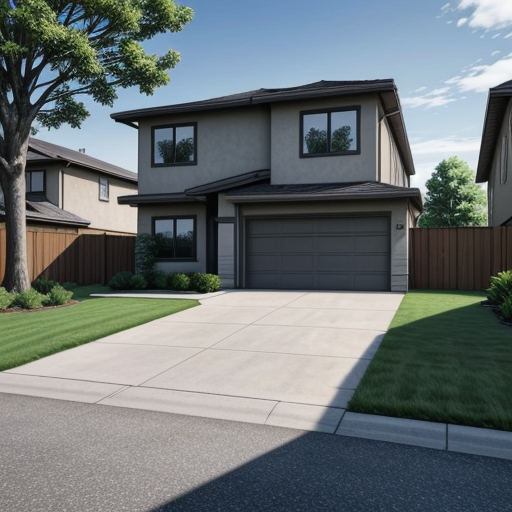
Property Conditions and Age: The condition and age of a property also bolster its market value. Renovated, well-maintained homes with modern conveniences tend to attract higher offers, whereas older properties needing extensive repairs might be priced lower.
Understanding these elements and how they interplay allows prospective buyers and real estate professionals to make informed decisions. As market dynamics continue to evolve, staying abreast of these influencing factors is key to navigating the real estate landscape successfully.