Flipping a house can be a profitable venture, but it requires careful planning, financial savvy, and strategic execution to ensure success. For those considering jumping into the house-flipping market, here's a step-by-step guide to increase your chances of a successful flip.
1. Conduct Thorough Market Research Before purchasing a property, it's crucial to perform rigorous market analysis. Identify neighborhoods with rising property values and understand the demand dynamics. Pay attention to real estate trends, average sale prices, and the speed at which homes are selling in your target area. A solid grasp of the local market will inform better buying decisions and maximize return on investment.
2. Set a Realistic Budget Determine a clear budget, not just for purchasing the property, but also for the renovation costs. It's often advised to follow the 70% rule, which suggests not paying more than 70% of the property’s after-repair value (ARV) minus the repair costs. This helps ensure a profit margin once the house is sold. Include a contingency fund for unexpected expenses that may arise during the renovation process.
3. Secure Financing Explore various financing options that suit your financial situation and project scope. Traditional loans, hard money lenders, or private investors are all viable options depending on the timeframe and the input required. Having financing secure before purchasing allows you to move quickly on properties and complete the flip efficiently.
4. Choose the Right Property Searching for the perfect property to flip involves considering several factors, including location, structural integrity, and renovation potential. Properties requiring cosmetic upgrades can often yield quicker returns than those needing extensive structural repairs. Inspect the property thoroughly to assess all rehabilitation requirements accurately.
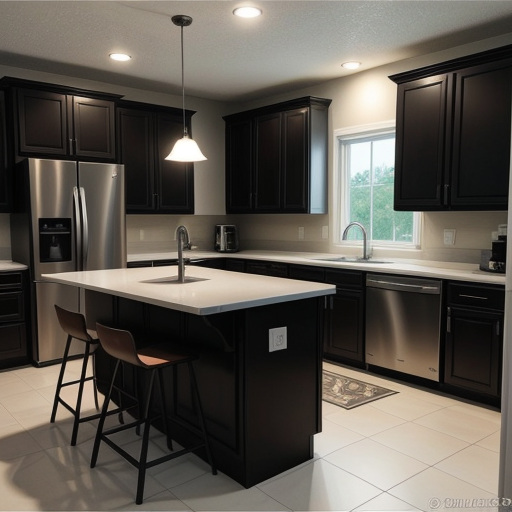
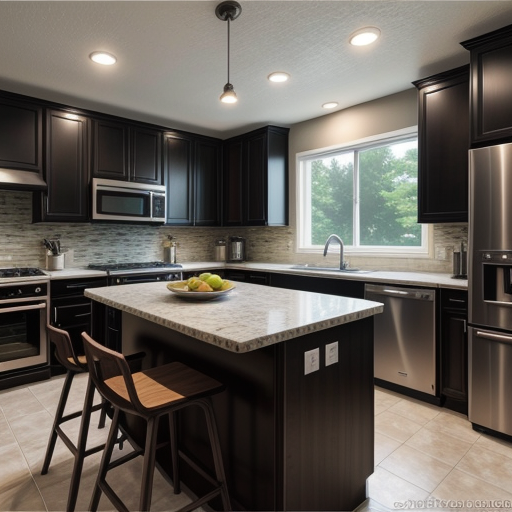
5. Plan Renovations Strategically Decide on renovation projects that increase the home's value the most. Focus on high-impact areas such as kitchens, bathrooms, and curb appeal improvements. It’s essential to balance upgrades with costs to avoid over-improving the property for the area, which can eat into profits.
6. Hire Competent Professionals Unless you have expertise in home renovation, consider hiring professional contractors for complicated repairs. A reliable team can ensure the work is done safely, up to code, and professionally, preventing costly mistakes. Gather quotes from different contractors and review their past work to make an informed choice.
7. Plan a Marketing Strategy Once renovations are complete, develop a marketing strategy to attract potential buyers quickly. Utilize online real estate platforms, social media, and local real estate agents to maximize exposure. Stage the home professionally to highlight its best features and increase buyer interest.
8. Be Prepared to Negotiate When offers start coming in, be ready to negotiate with potential buyers. Work with a skilled real estate agent who can guide you through the negotiation process, ensuring you get the best possible price while closing the sale swiftly.
Successfully flipping a house requires a blend of planning, resource management, and market understanding. By following these steps and staying informed about market trends, you can maximize the potential for profit and establish a reputation as a savvy real estate flipper.