When considering purchasing a home, one crucial aspect to contemplate is its future resale value. Understanding how to evaluate a home's resale potential can provide significant financial advantages. Here are several key factors to consider to ensure you make a sound investment.
Location, Location, Location
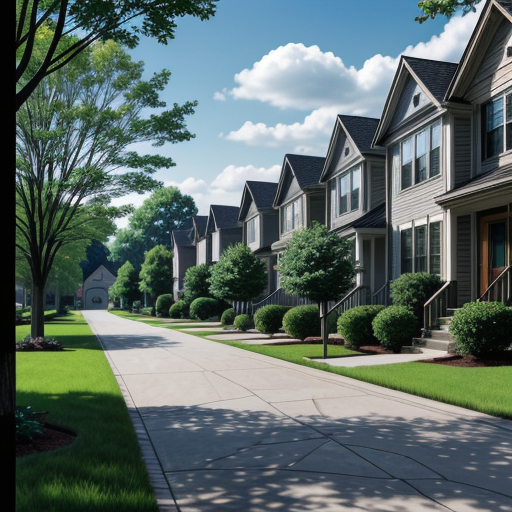
The age-old real estate mantra 'location, location, location' remains highly relevant when assessing a home's resale value. Homes situated in desirable neighborhoods with access to quality schools, parks, shopping centers, and public transportation often retain higher market value. Research the area's development plans, as upcoming amenities or infrastructure improvements can significantly impact future home values.
Market Trends
To predict a home’s future value, pay attention to local real estate market trends. Analyze data to determine if the area is experiencing growth or decline. Look into historical market performance, housing demand, and economic factors that could influence property values. Understanding these trends will help you anticipate market changes and make more informed purchasing decisions.
Property Condition and Age
A well-maintained property is more likely to attract buyers, impacting its resale value positively. Examine the age of the home and the condition of its critical components, such as the roof, HVAC system, and appliances. Properties requiring significant repairs or renovations may diminish in value, whereas homes with recent upgrades or energy-efficient features may appreciate.
Comparable Sales Analysis
A comparative market analysis (CMA) is a vital tool for evaluating a home's worth. Compare recently sold properties in the same area with similar features and square footage. This analysis will provide insights into current market values and help estimate the property’s selling price. Adjust for differences in size, condition, and features to gauge an accurate resale potential.
Local Economy and Employment Rates
A thriving local economy with robust employment opportunities typically correlates with healthy housing markets. When assessing a home's resale value, consider the economic stability of the region. Areas with diverse job opportunities and low unemployment rates tend to experience steady demand for housing, supporting property values over time.
Future Development Plans
Investigate future community developments that could affect your home's value. Although enhancements can boost property values, overly commercialized areas might deter some prospective buyers. Balance the benefits of nearby developments with potential drawbacks.
Zoning and Regulations
Understanding local zoning laws and regulations is fundamental when evaluating a home's resale value. Familiarize yourself with any restrictions or planned changes that could affect the property's use or marketability. Awareness of zoning exceptions and variances will also help determine potential future buyers' interest.
Considering these factors will help you make a well-rounded assessment of a home's resale potential. An informed approach ensures that your real estate investment retains value over time and maximizes your financial return.