Evaluating a home’s resale value is an integral part of making an informed purchase decision in the real estate market. Understanding which factors contribute to the appreciation or depreciation of a property can significantly affect your future financial gains. Whether you're a first-time homebuyer or looking to expand your investment portfolio, here are essential aspects to consider when assessing a home's potential resale value.
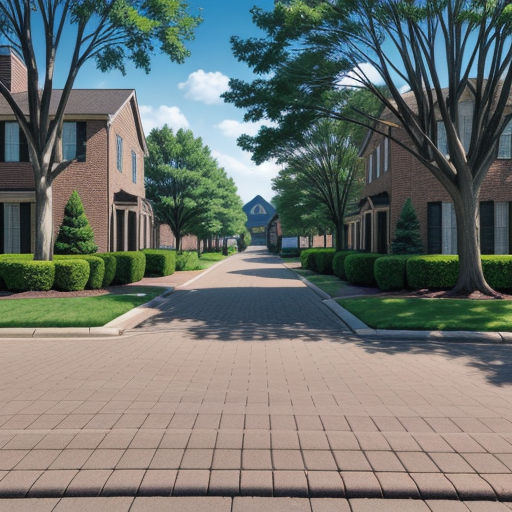
Firstly, the location of a property is one of the most crucial determinants of its resale value. Homes situated in desirable neighborhoods typically fare better in terms of appreciation. Factors such as proximity to good schools, shopping centers, public transportation, and employment hubs should be carefully analyzed. Properties located in up-and-coming areas might also offer substantial appreciation potential.
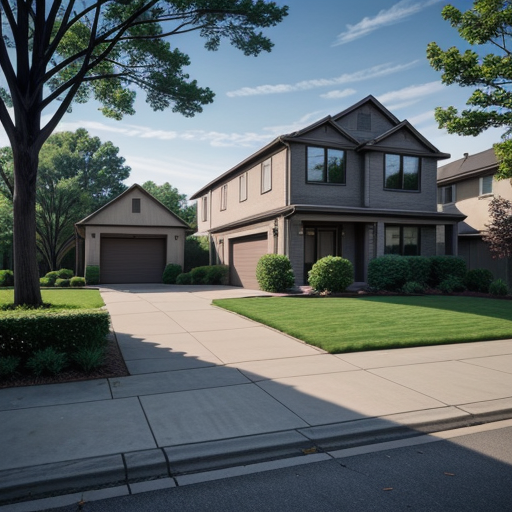
The condition of the property is another vital element. A well-maintained home will generally fetch a higher resale price compared to one that requires extensive repairs. It's beneficial to scrutinize the age of the property, any recent renovations, and the state of essential fixtures such as plumbing and roofing. A home inspection can provide detailed insights into potential costly repairs that may impact resale value.
Market trends also play a significant role in predicting future resale values. Analyzing the local real estate market, such as recent sale prices of comparable homes in the area, can help you gauge which way the market is heading. Keeping an eye on economic indicators, such as interest rates and employment trends, can also provide valuable insights into future housing demand.
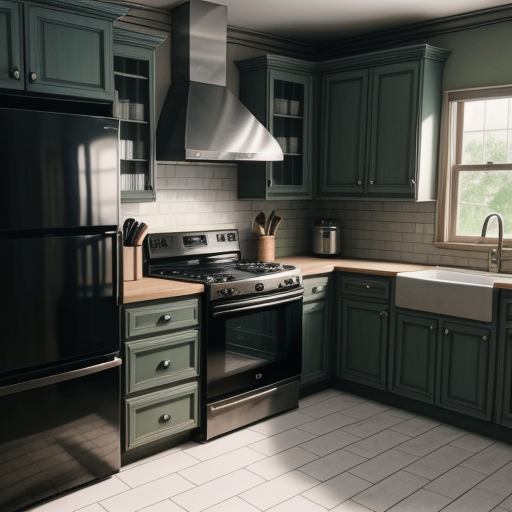
Furthermore, consider the layout and design of the home. Modern buyers often look for open floor plans and energy-efficient features. Homes that fall in line with current consumer preferences are more likely to sell quickly and at a higher price. It's also worth investigating any future developments in the area that could affect housing desirability, such as new infrastructure projects or zoning changes.
Finally, consult with real estate professionals who possess local market expertise. They can provide a nuanced understanding of the factors impacting the area and guide you in making a sound investment choice.
In conclusion, while a home’s resale value can never be guaranteed, by diligently evaluating these factors, you increase your chances of making a profitable investment. A thorough analysis not only protects your real estate investment but also maximizes potential returns when you're ready to resell your property.