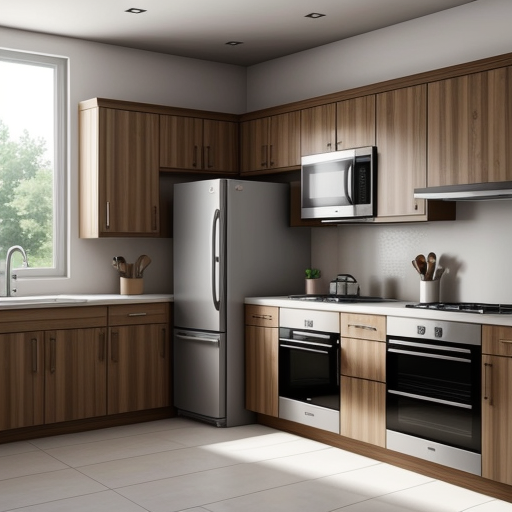
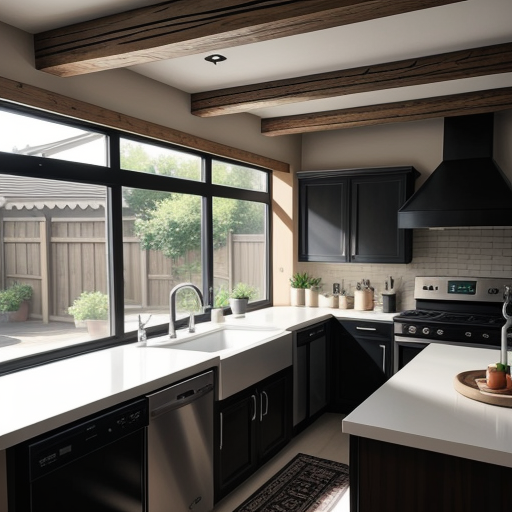
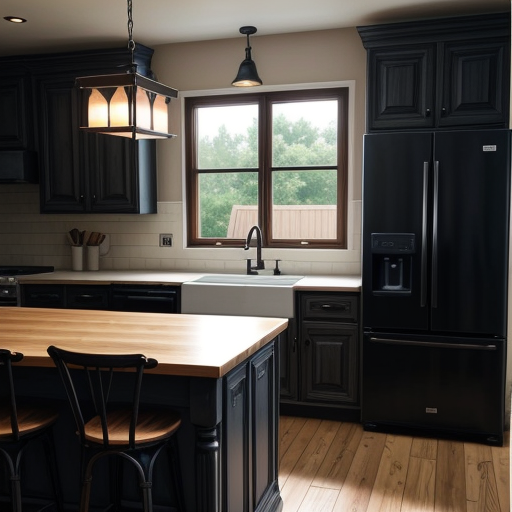
Renovating a home can be an exciting yet daunting endeavor. One of the most critical steps in the renovation process is establishing a budget. A well-planned budget not only helps to keep your finances in check but also ensures that your renovation project stays on track and meets your expectations.
1. Assess Your Renovation Goals Before diving into the numbers, start by clarifying what areas of your home you wish to renovate and your ultimate goals for these projects. Are you looking to enhance functionality, increase the property's value, or update aesthetics? Having a clear understanding of your objectives will shape your budget.
2. Research Costs Once your goals are outlined, it’s time to investigate the costs associated with each aspect of your renovation. Seek estimates from contractors and gather pricing information for materials. Online resources, home improvement stores, and consulting with professionals can provide valuable insights. Remember to consider both labor and material costs in your calculations.
3. Factor in a Contingency Fund It’s standard practice to include a contingency fund in your renovation budget. Unforeseen issues often arise during renovations, such as discovering structural problems or needing to update outdated plumbing. A good rule of thumb is to allocate at least 10-20% of your overall budget for these unexpected expenses.
4. Prioritize Your Renovation Needs With the estimated costs in hand, prioritize your renovation needs versus wants. Determine which renovations are essential and which are merely desirable. This will help you allocate funds effectively and helps ensure that your budget aligns with your primary goals.
5. Decide on Financing Options Renovation costs can vary greatly, so it’s crucial to decide how you will finance your project. Options include savings, a home equity loan, or even financing through credit cards. Each has its pros and cons, so weigh these options carefully and select the one that best fits your financial situation.
6. Monitor Your Spending During the renovation process, maintain close oversight of your spending to ensure you remain within budget. Regular check-ins on expenses will allow you to make adjustments if you’re creeping too close to your budget limit or if you can afford any additional improvements.
7. Be Prepared for Adjustments Even with a comprehensive budget and a contingency fund, be prepared for the fact that renovations often involve unexpected changes. Maintain flexibility and be ready to adjust your plans and budget as necessary to accommodate any surprises that may arise during the renovation process.
Conclusion Creating a renovation budget is a multi-step process that requires careful planning, research, and ongoing management. By taking these steps, you can navigate the challenges of home renovation with confidence and ensure that your project aligns with your financial goals. A well-thought-out budget is key to a successful and satisfying renovation experience.