When purchasing a home, one of the most critical factors to consider is its future resale value. Whether you're planning to live in the home for a few years or decades, understanding how to evaluate a property's resale value is essential for making a sound investment.
Location, Location, Location
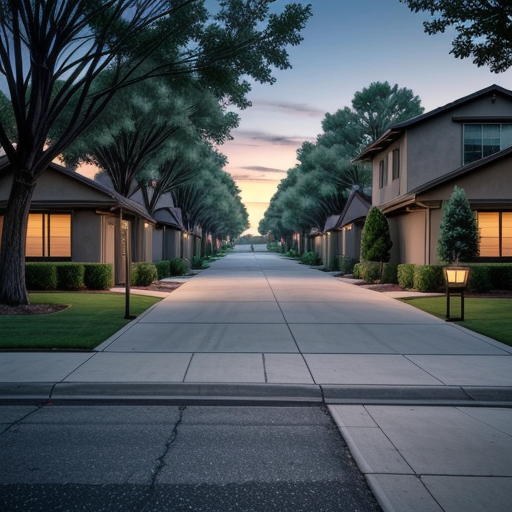
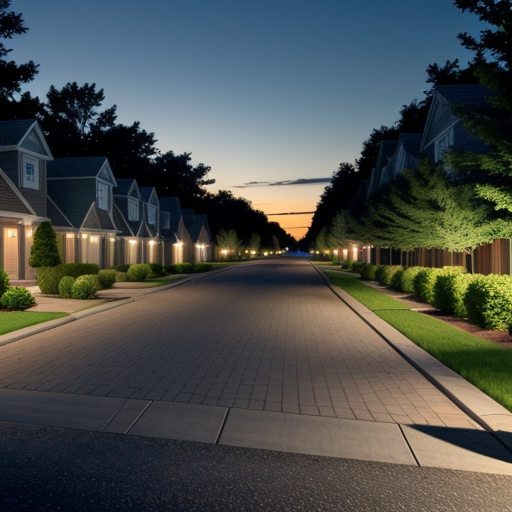
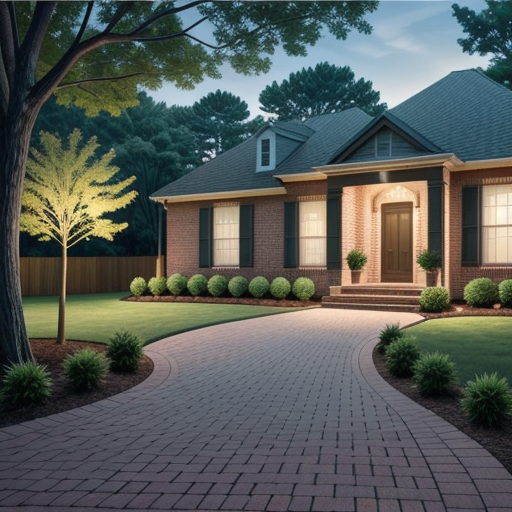
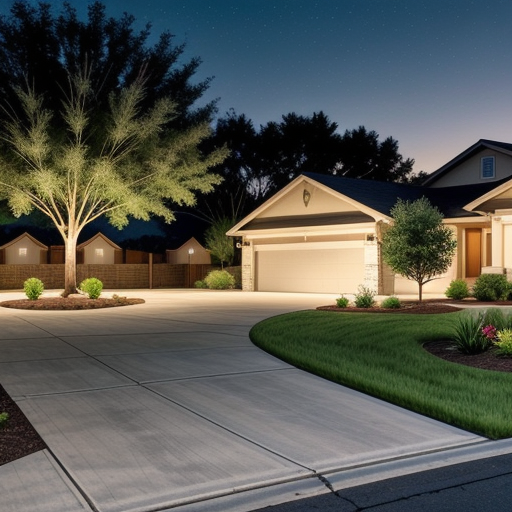
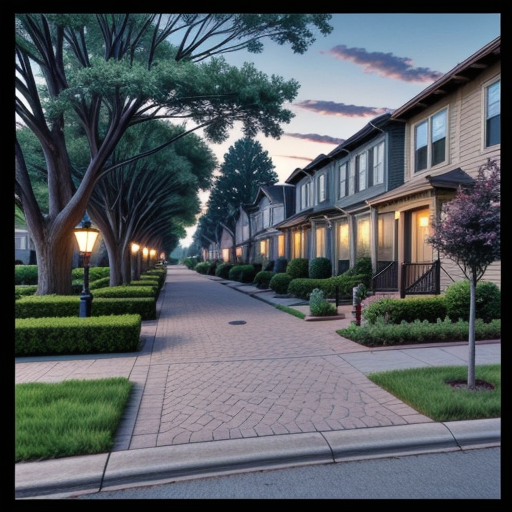
The oldest adage in real estate holds true: location is paramount. Homes in desirable neighborhoods typically experience higher demand and better resale value. Consider factors such as proximity to quality schools, employment centers, public transportation, and local amenities like parks and shopping centers. A neighborhood's safety and future development plans can also impact a property's attractiveness to potential buyers.
Market Trends and Property Appreciation
Analyzing current market trends and historical data can provide valuable insights into a property's potential for appreciation. Research the real estate market in the area and review past trends in home values. Areas with consistent growth and potential for future development are likely to see property values increase over time.
Property Condition and Maintenance
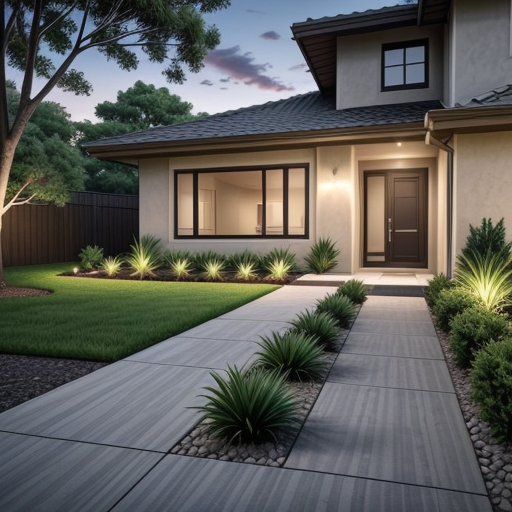
A home's condition can significantly influence its resale value. Properties that have been well-maintained or recently updated often attract higher offers. Assess the quality of major systems like the roof, HVAC, plumbing, and electrical systems. A home that requires minimal immediate repairs will likely have greater appeal to future buyers.
Size, Layout, and Features
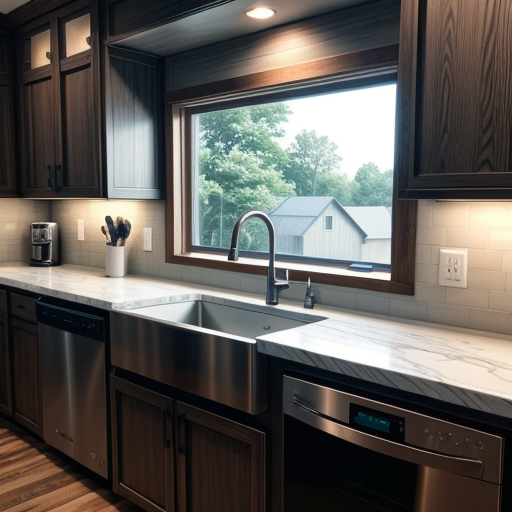
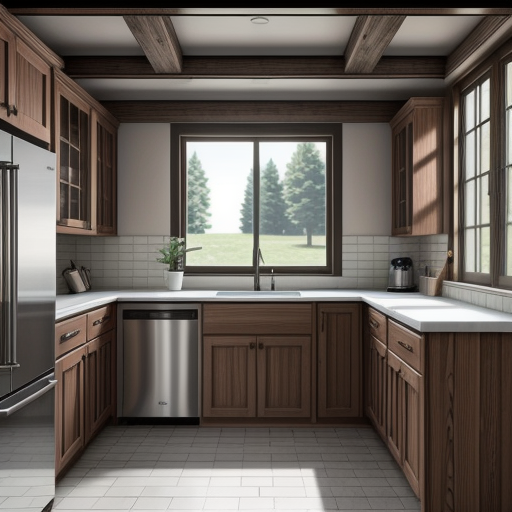
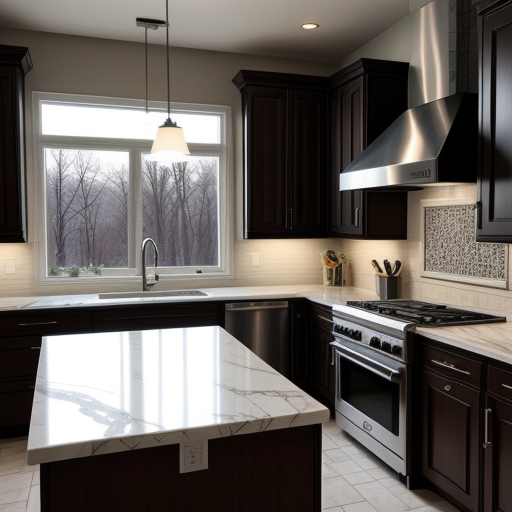
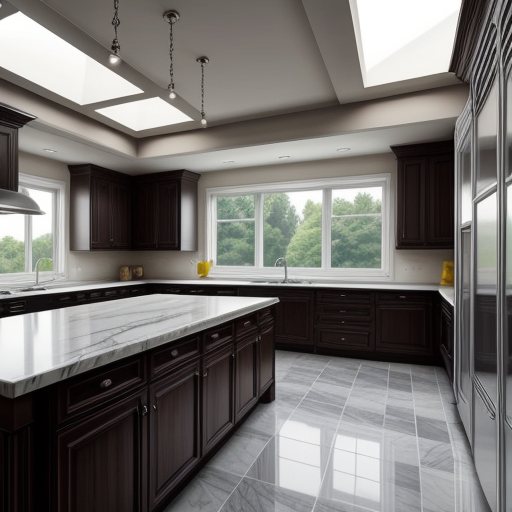
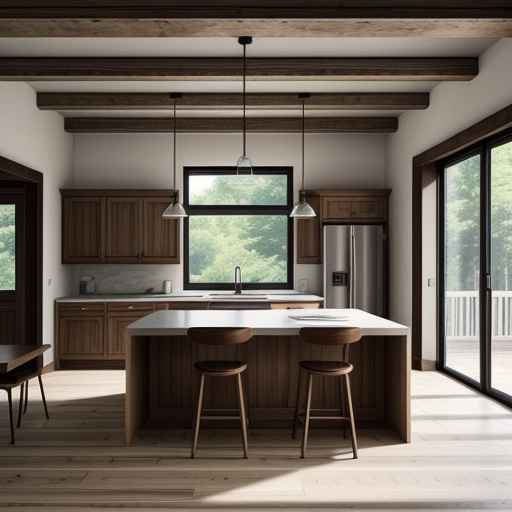
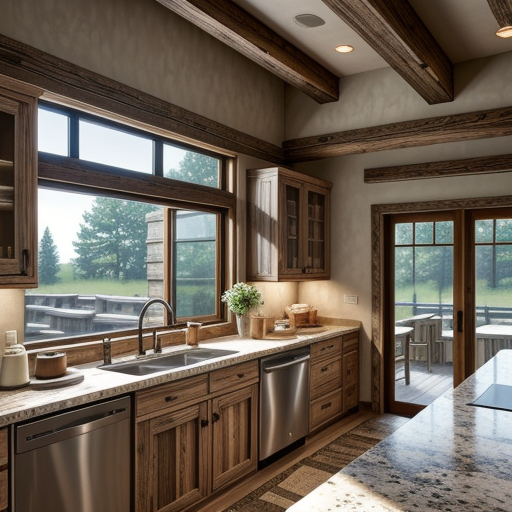
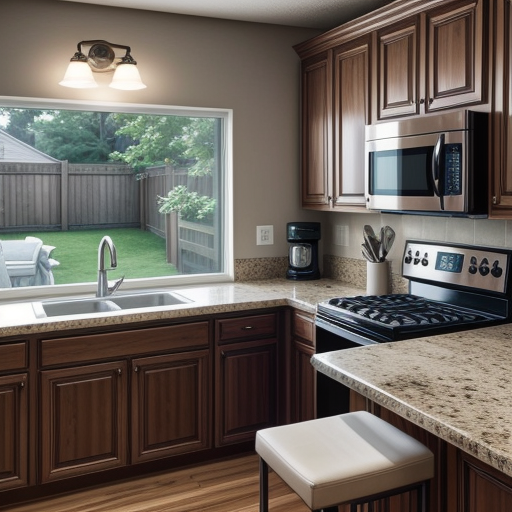
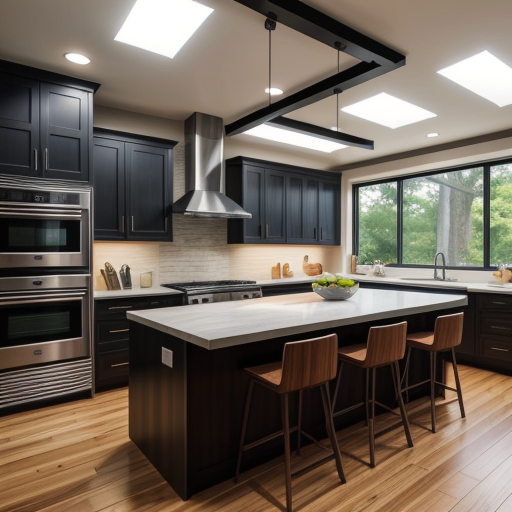
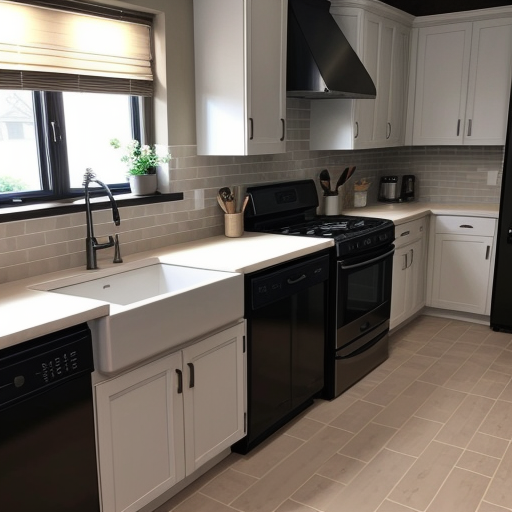
The size and layout of a home, including the number of bedrooms and bathrooms, play a vital role in resale value. Homes with functional layouts and desirable features such as a modern kitchen, open floor plans, and outdoor living spaces tend to have broader appeal. Additionally, energy-efficient features and smart home technologies can increase value in today's market.
Comparable Sales and Appraisals
Review recent sales of comparable properties in the area to assess the potential resale price of a home. Comparable sales provide a benchmark for estimating value adjustments based on condition, features, and location differences. An appraisal by a certified professional can also provide a precise valuation, offering peace of mind and clarity.
Economic and Community Factors
The broader economic environment, including interest rates and economic stability, affects housing prices. Local factors, like job growth and community development projects, should also be considered. Homes in areas experiencing economic growth or revitalization often see increased demand and higher resale values.
In summary, evaluating a home’s resale value requires a holistic approach. By thoroughly researching the location, market trends, property condition, and community dynamics, buyers can make informed decisions that align with their long-term investment goals.