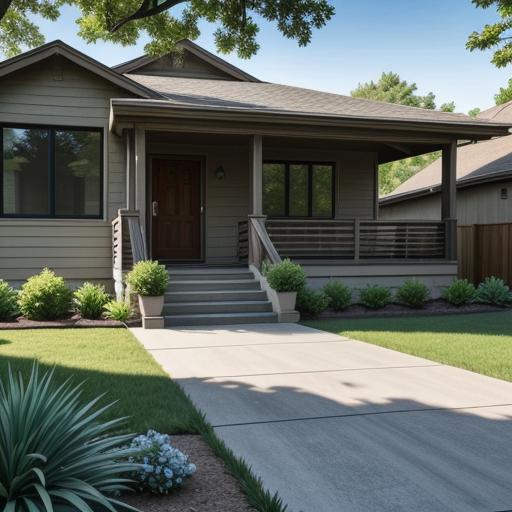
Investing in a vacation home can be an exciting and rewarding experience, but it requires careful consideration and planning. Whether you're aiming for a picturesque lakeside cabin, a cozy mountain retreat, or a charming beachside bungalow, there are several crucial factors to keep in mind before making a purchase.
First and foremost, location is key when it comes to a vacation home. You'll want to choose a destination that not only appeals to you and your family's interests but also has potential for long-term value appreciation. Research local amenities, attractions, and community characteristics to ensure the area meets your lifestyle needs and preferences. Additionally, consider the property’s accessibility—proximity to major highways or airports can enhance convenience for both you and your guests.
Next, think about the property type and what best suits your way of life. Will this be a seasonal getaway, or will it function as a year-round rental? Choosing the right type of property can make a significant difference in your overall satisfaction. If you plan to rent out the home, evaluate local regulations regarding short-term rentals, as some communities have strict rules that could affect your plans.
Another important consideration is the financial aspect of purchasing a vacation home. Understand the costs involved, including the down payment, mortgage rates, property taxes, insurance, and potential homeowner association fees. Beyond the initial purchase, factor in maintenance and utility costs that may arise throughout the year. Best practices suggest budgeting at least 1%-2% of the home’s value for maintenance annually.
Don’t forget to explore financing options. While it’s common for buyers to secure a mortgage for their primary residence, purchasing a vacation home may come with different requirements. You may need a larger down payment, and interest rates can be higher due to the perceived risk. Consulting with a financial advisor or mortgage broker can help clarify your options and determine the best financing strategy for your investment.
Lastly, take your time and don’t rush the decision-making process. Buying a vacation home is a long-term investment, and it’s essential to ensure it aligns with your future goals. Once you find a property you love, consider arranging a home inspection to identify any potential issues before closing.
In summary, buying a vacation home is a significant commitment that requires thorough research, financial planning, and a clear understanding of your lifestyle needs. By taking into account location, property type, financial considerations, and regulations, you can make a confident decision that enhances your leisure time and creates lasting memories for years to come.