In recent years, home design trends have evolved to accommodate the changing lifestyles and preferences of homeowners. As we move further into the 21st century, several key trends are making waves in the real estate market. Understanding these trends can offer valuable insights for potential home buyers and sellers, interior designers, and real estate professionals alike.
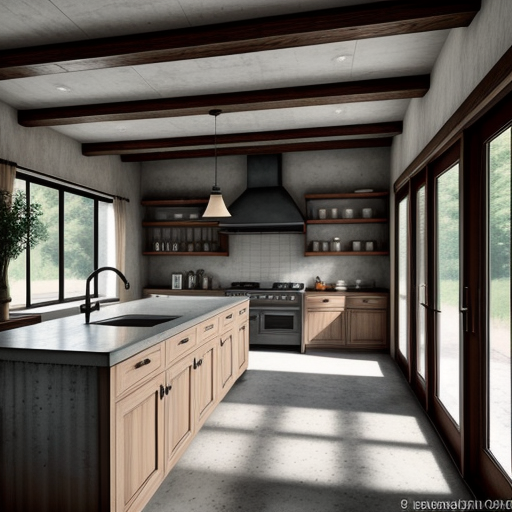
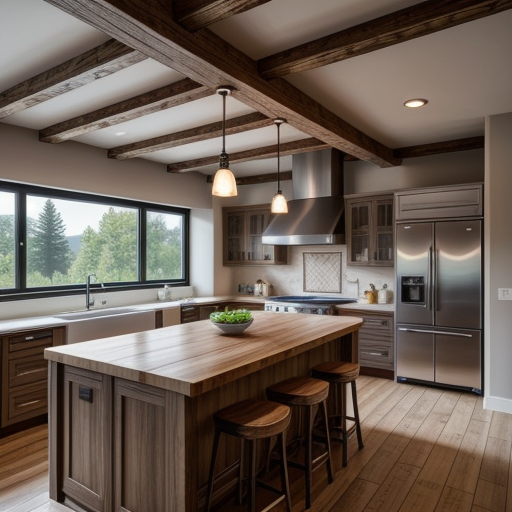
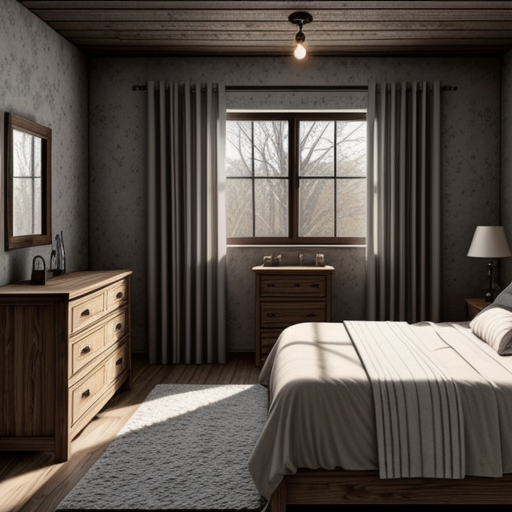
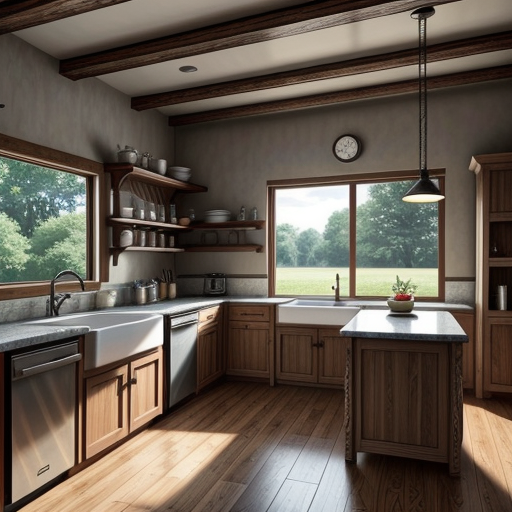
One of the most prominent trends is the emphasis on sustainable and eco-friendly designs. Increasingly, homeowners are opting for materials and practices that reduce environmental impact, such as reclaimed wood, solar panels, and energy-efficient appliances. This shift not only reflects global environmental concerns but also aligns with a desire for homes that are cost-effective to manage over time.
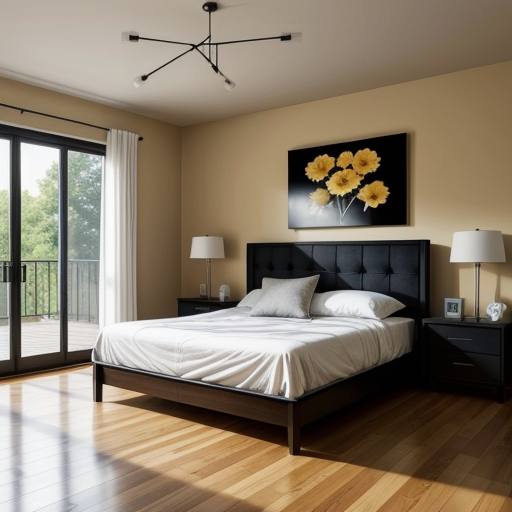
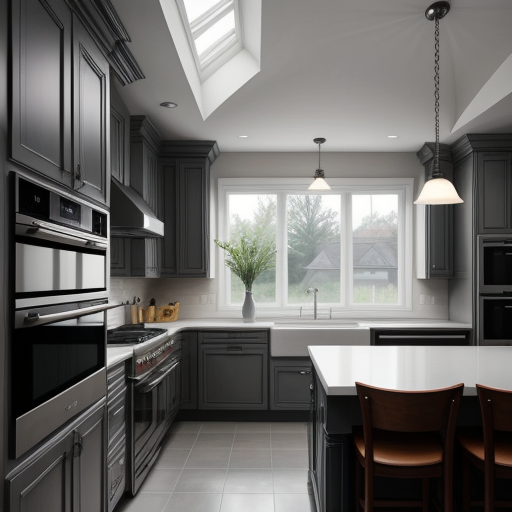
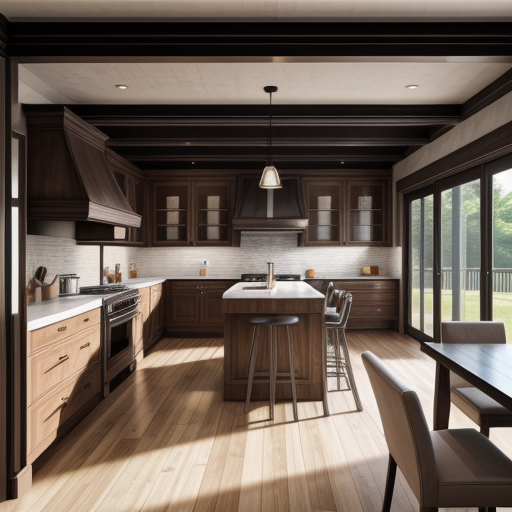
Another trend gaining popularity is the rise of multifunctional spaces. With more people working from home, the demand for adaptable spaces that can serve multiple purposes is increasing. From convertible home offices that can transform into guest rooms to living areas that seamlessly blend with kitchens, flexibility in home design is essential.
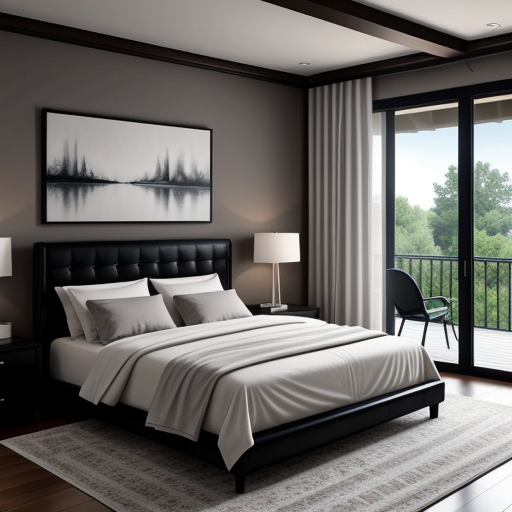
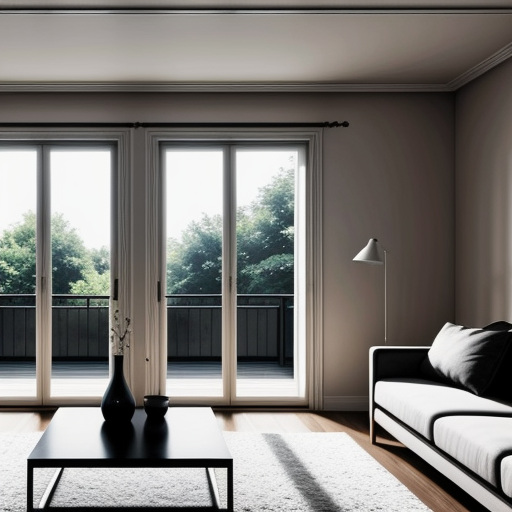
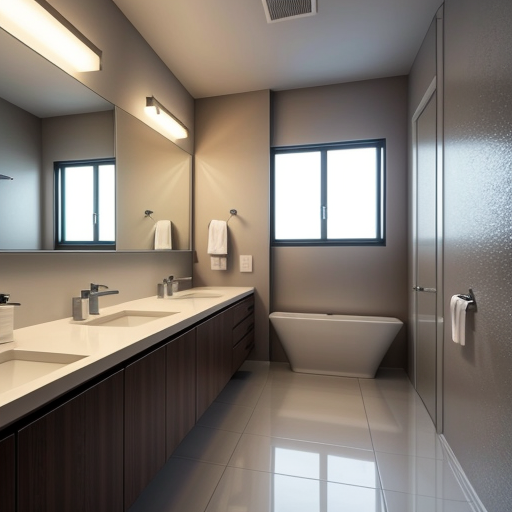
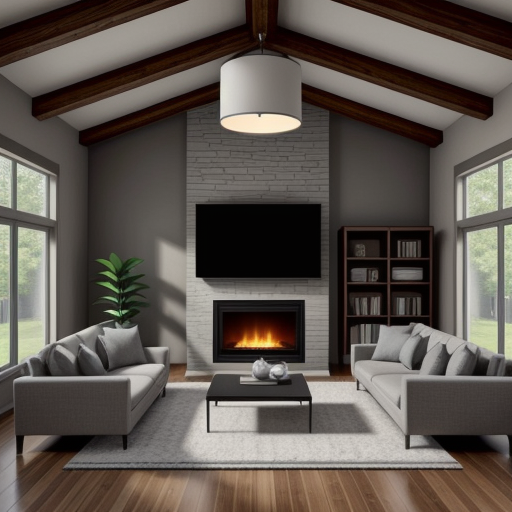
Minimalism continues to captivate homeowners, characterized by clean lines, neutral color palettes, and clutter-free spaces. This design philosophy prioritizes function and simplicity, creating tranquil environments that cater to busy modern lives.
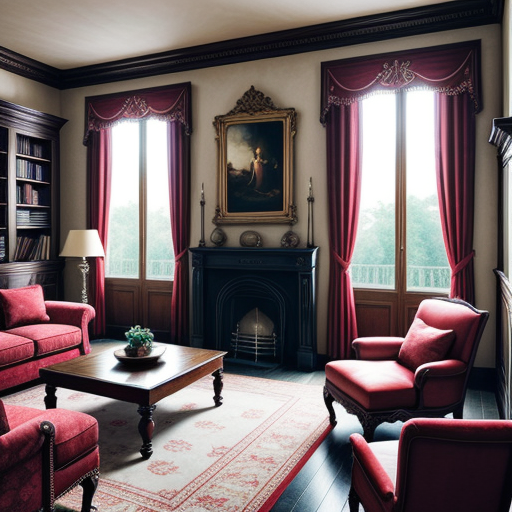
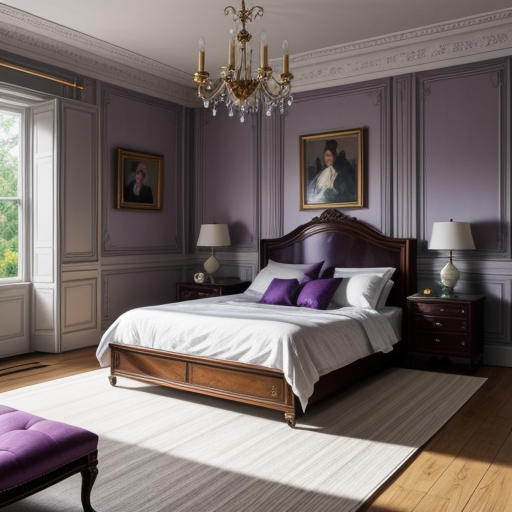
In contrast, there's also a resurgence of maximalism for those who prefer a bold, expressive style. This trend embraces vibrant patterns, rich textures, and an eclectic mix of decor elements, allowing homeowners to showcase their personality through their interior design choices.
Lastly, the integration of smart home technology remains a significant trend. Homes are becoming increasingly connected, with smart lighting, security systems, and appliances that can be controlled remotely, enhancing convenience and security for homeowners.
For those in the market, keeping an eye on these trends can be crucial for making informed decisions on purchasing or selling properties. As home design preferences continue to evolve, staying updated can provide a competitive edge in the ever-changing real estate landscape.