When purchasing a home, considering its resale value can provide significant financial benefits in the long term. Evaluating a property's resale potential is crucial whether you plan to sell in a few years or many decades down the road. Here are some important factors to help you make an informed decision.
1. Location Matters Most The location is one of the most critical elements influencing a home's resale value. Homes in desirable neighborhoods or areas with high demand typically appreciate more quickly. Consider proximity to employment centers, quality schools, public transportation, shopping options, and low crime rates, as these aspects contribute to a property's attractiveness.
2. Market Trends Researching current market trends will provide insight into the area's potential growth over time. Look for neighborhoods experiencing positive developments, like new businesses opening, infrastructure projects, or population growth. These indicators suggest a strong market for potential resale.
3. Home Condition and Age The state of a property can significantly impact its resale value. Newer homes might sell at a premium, but well-maintained older homes can hold their value better. Consider the quality and longevity of finishes, structural components, and essential systems like plumbing, heating, and electrical.
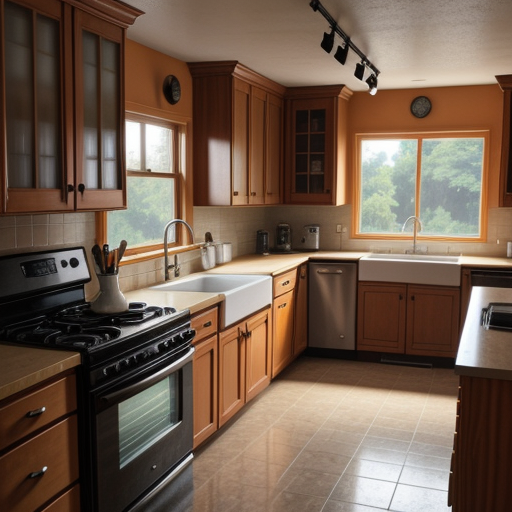
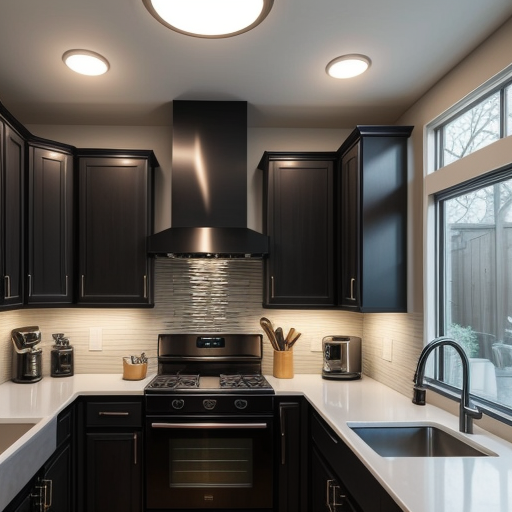
4. Property Characteristics The features of a home also play a role in its future resale value. Homes with flexible layouts, spacious kitchens, updated bathrooms, and ample storage tend to attract more buyers. Features such as energy-efficient upgrades or smart home technology can also add appeal.
5. Comparable Sales Analyzing recent sales of comparable homes in the same area provides a baseline for evaluating a home's expected resale value. Factors such as similar square footage, age, and condition should be considered for accurate comparison.
6. Potential for Improvements A property that offers room for improvement often holds untapped value potential. Assess the feasibility of renovations or expansions and determine whether these projects are likely to increase the home's market value effectively.
7. Economic Factors Wider economic influences can affect resale values too. Interest rates, employment rates, and overall economic health impact buyers' purchasing power and, consequently, property prices.
By carefully evaluating each of these factors, prospective homeowners can make savvy decisions, ensuring their investment will offer favorable returns when it's time to sell. Understanding a home's resale values encourages a strategic approach to home purchasing, ultimately benefiting both the buyer and future investment outcomes.