Flipping properties has become a popular investment strategy for those looking to generate substantial profits in the real estate market. However, it requires careful planning, research, and execution to ensure success. In this guide, we will walk you through the essential steps to flip properties profitably, providing valuable insights for both novice and experienced investors.
Understanding the Basics of Property Flipping
Property flipping involves purchasing a property, renovating it, and reselling it at a higher price within a relatively short period. The key to making a profit lies in buying low and selling high. Successful flippers have a keen eye for potential and can identify properties that require cosmetic or structural improvements.
Researching the Market
Before diving into property flipping, conducting thorough market research is crucial. Investigate local real estate trends, average sales prices, and the performance of comparable properties in the area. Use online tools, attend auctions, and network with local agents to gain insights. Understanding the demand and supply dynamics will help you make informed decisions.
Choosing the Right Property
When selecting a property to flip, look for those that have been on the market for a while or are priced below similar properties in the area. Properties requiring minimal cosmetic work, such as paint, flooring, or landscaping can yield higher returns with less investment and time commitment. Additionally, avoid properties in declining neighborhoods where resale values may struggle.
Budgeting for Renovations
Establish a realistic budget that includes the purchase price, renovation costs, holding costs (like mortgage payments, insurance, and taxes), and selling costs (commissions and fees). Create a detailed list of necessary repairs and improvements, prioritizing those that will add the most value. Always allow for a contingency fund to cover unexpected expenses during renovations.
Renovation Strategies
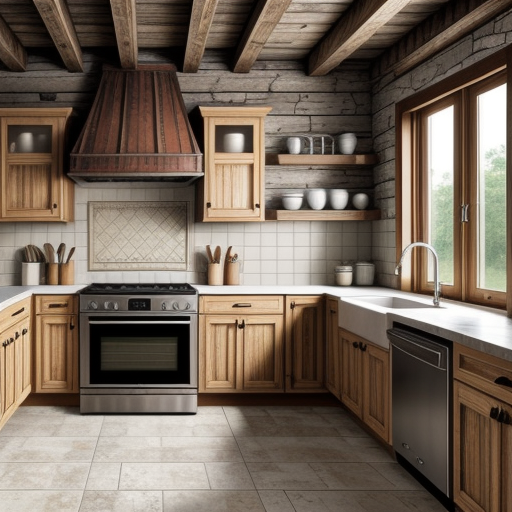
The renovations you choose to implement should target the aspects of the property that prospective buyers value most. Kitchens and bathrooms often provide the best return on investment. Focus on modernizing these spaces without over-improving them for the neighborhood. Remember, quality workmanship is vital; cutting corners can lead to costly mistakes down the line.
Setting the Right Price
Once your renovations are complete, it’s time to set a competitive selling price. Utilize your research on comparable sales and consult with a knowledgeable real estate agent to determine an appropriate listing price. Pricing it right can lead to a quick sale, which is crucial in the flipping business.
Marketing Your Property
Effective marketing is essential to attract potential buyers. High-quality photographs, enticing descriptions, and staging can make your property stand out. Consider utilizing social media platforms, real estate websites, and local advertisements to reach a broader audience. A well-crafted marketing strategy can significantly enhance your prospects of a profitable sale.
Closing the Deal
When you receive an offer, carefully review the terms. It's wise to work with a real estate agent or attorney to negotiate effectively and ensure all documents are in order. Aim to close the deal efficiently, allowing you to recoup your initial investment and profit margin as quickly as possible.
Conclusion
Flipping properties for profit requires strategic planning, market knowledge, and prudent financial management. By conducting diligent research, choosing the right property, budgeting wisely, and executing effective renovation and marketing strategies, you can maximize your chances for success in the competitive world of real estate flipping. Remember, while the process can be rewarding, it also carries risks; always be prepared with a backup plan. Happy flipping!