In recent years, the demand for energy-efficient homes has surged as more individuals and families seek sustainable living options. Among the most sought-after certifications in this realm is the Passive House standard. Understanding what it entails can empower homebuyers to make informed decisions regarding their next property investment.
The term 'Passive House' refers to a rigorous, voluntary standard for energy efficiency in a building, which significantly reduces its ecological footprint. It results in ultra-low energy buildings that require minimal energy for heating or cooling. Originating from Germany, the standard is known as 'Passivhaus' and it centers on superior building design, optimal insulation, and an airtight building envelope to achieve its goals.
One of the cornerstones of Passive House standards is high-quality insulation. This keeps the temperature consistent throughout the home, regardless of the season, helping reduce the need for conventional heating or air conditioning. The airtight construction is complemented by a mechanical ventilation system with heat recovery, ensuring optimal air quality without compromising interior comfort.
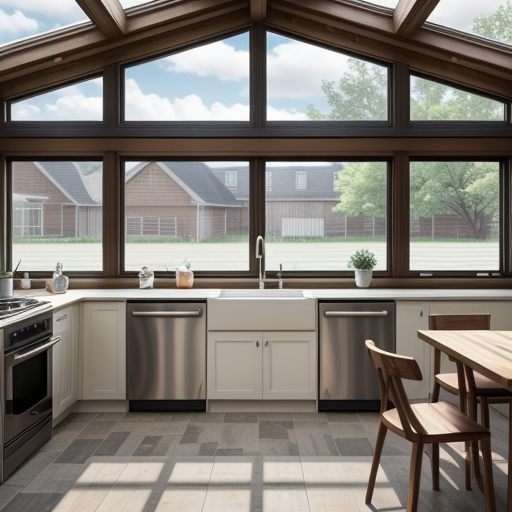
Windows in a Passive House are strategically placed and typically triple-glazed to conserve energy. These windows help optimize solar gains while minimizing heat loss, contributing to the overall efficiency of the house. Moreover, Passive Houses often incorporate shading elements to mitigate the effects of overheating in warmer months.
For real estate agents, understanding and conveying the benefits of Passive House standards can be a key selling point. They provide homeowners with lower utility bills, enhanced thermal comfort, and contribute to a reduced carbon footprint, a significant aspect for environmentally conscious buyers.
Incorporating Passive House principles not only aligns with modern demands for sustainability but can also increase the appeal and value of properties. As the trend towards eco-friendly living grows, so does the significance of such certifications, making them a beneficial consideration for both buyers and real estate professionals.
Educating potential buyers about the long-term savings, health benefits, and environmental impact of Passive Houses can place real estate agents at an advantage, offering an edge in a competitive market. These dwellings represent a forward-thinking approach to housing, aligning financial investment with ethical responsibility.