Creating a budget for your renovation is a crucial step in ensuring that your home improvement project proceeds smoothly and stays within financial limits. A well-planned budget can help you avoid unexpected costs and ensure that you achieve the desired results without breaking the bank.
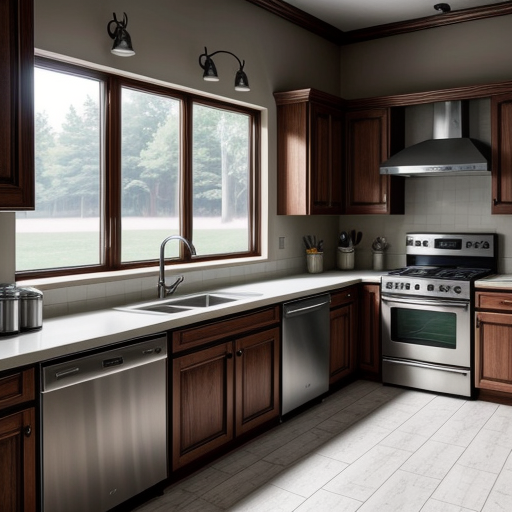
Start by defining your renovation goals. Are you updating a kitchen, adding a bathroom, or perhaps enhancing outdoor living spaces? Clearly identifying objectives will not only shape your renovation plans but also guide your budgeting process. Consider prioritizing your efforts; focus on areas that will increase functionality and add the most value to your home.
Next, you should determine a realistic budget based on your goals. Research the average costs for similar renovations in your area to help frame your expectations. Websites, home improvement stores, and consultations with contractors can provide valuable insights into material and labor costs. After gathering this information, create a budget outline, breaking down each aspect of your renovation – materials, labor, permits, and unexpected expenses.
It is also essential to set aside a contingency fund. Renovations often uncover hidden issues, such as plumbing or electrical problems that can lead to additional costs. A good rule of thumb is to allocate about 10-20% of your total budget for unexpected expenses.
As you make decisions on materials and finishes, keep your budget in mind. While it may be tempting to splurge on high-end materials, be cautious not to overspend in one area at the expense of others. Striking a balance between quality and cost is key to maintaining your overall budget.
Lastly, regularly review and adjust your budget as the renovation progresses. Keeping track of expenses and updating your budget regularly will allow you to make informed decisions if adjustments are necessary. By staying organized and keeping communication open with any contractors involved, you can better manage costs and ensure your renovation project is completed on time and within your financial plan.
In conclusion, creating a budget for your renovation involves clear goal setting, realistic financial planning, and ongoing oversight. By following these steps, you’ll be better equipped to handle the complexities of home improvement without the stress of financial strain.