The home appraisal process is a critical component of buying or selling a home, acting as an objective analysis of a property's market value. For many prospective homeowners, understanding this process can be pivotal. It involves a licensed appraiser who evaluates the home's condition, its location, and comparable recent sales, commonly referred to as 'comps,' to determine the property's market value.
The appraisal process typically commences once an offer is accepted. A lender orders the appraisal to ensure that the investment is sound, which protects both the lender and the buyer from overpaying. This independent assessment is distinct from a home inspection and is often a prerequisite for mortgage approval.
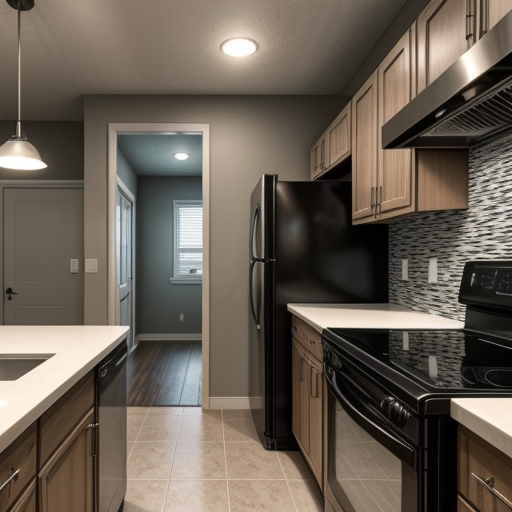
Factors that influence the appraisal include the home's size, age, condition, layout, and specific features such as a finished basement, upgraded kitchen, or a pool. Additionally, the appraiser assesses neighborhood desirability, which encompasses how well-maintained the area is, proximity to schools and amenities, and overall market trends.
Upon completion, the appraisal report is submitted to the lender, containing vital data points about the property and a driven conclusion of its value. If the appraisal matches or exceeds the offer price, the transaction continues smoothly. However, if it’s below the offer, renegotiations may be necessary, potentially adjusting the purchase price or identifying alternative financing solutions.
Overall, comprehending the home appraisal process empowers buyers to make informed decisions and navigate real estate transactions with greater confidence. This knowledge provides a foundation that can assure both buyers and their lenders of property investment soundness.